Kitchenware sampling normally runs in three stages — stock sample, custom sample, then pre-production sample — and the whole process usually takes two to six weeks depending on whether your product is a catalog item or a custom design. The single most common importer mistake is treating the first sample as the final confirmation. Each sample stage answers a different question, and skipping one of them is how packaging defects and color mismatches slip into production.
Stage 1: The Stock Sample
The stock sample (also called a catalog sample or existing sample) is exactly what it sounds like: the factory sends you an existing product from its catalog so you can check material, finish, weight and general workmanship. It is the fastest stage — usually a few days to a week — and it is the right way to shortlist factories before you invest in custom tooling or molds.
What to check on a stock sample: the actual gauge or thickness of the metal, the coating quality, the handle attachment, and how the product feels in hand. Photos and videos compress all of this; the physical sample is the first place where a supplier’s quality story meets reality. Stock samples are often free or charged at cost plus shipping, but do not assume — confirm the sample policy before you ask.
Stage 2: The Custom Sample
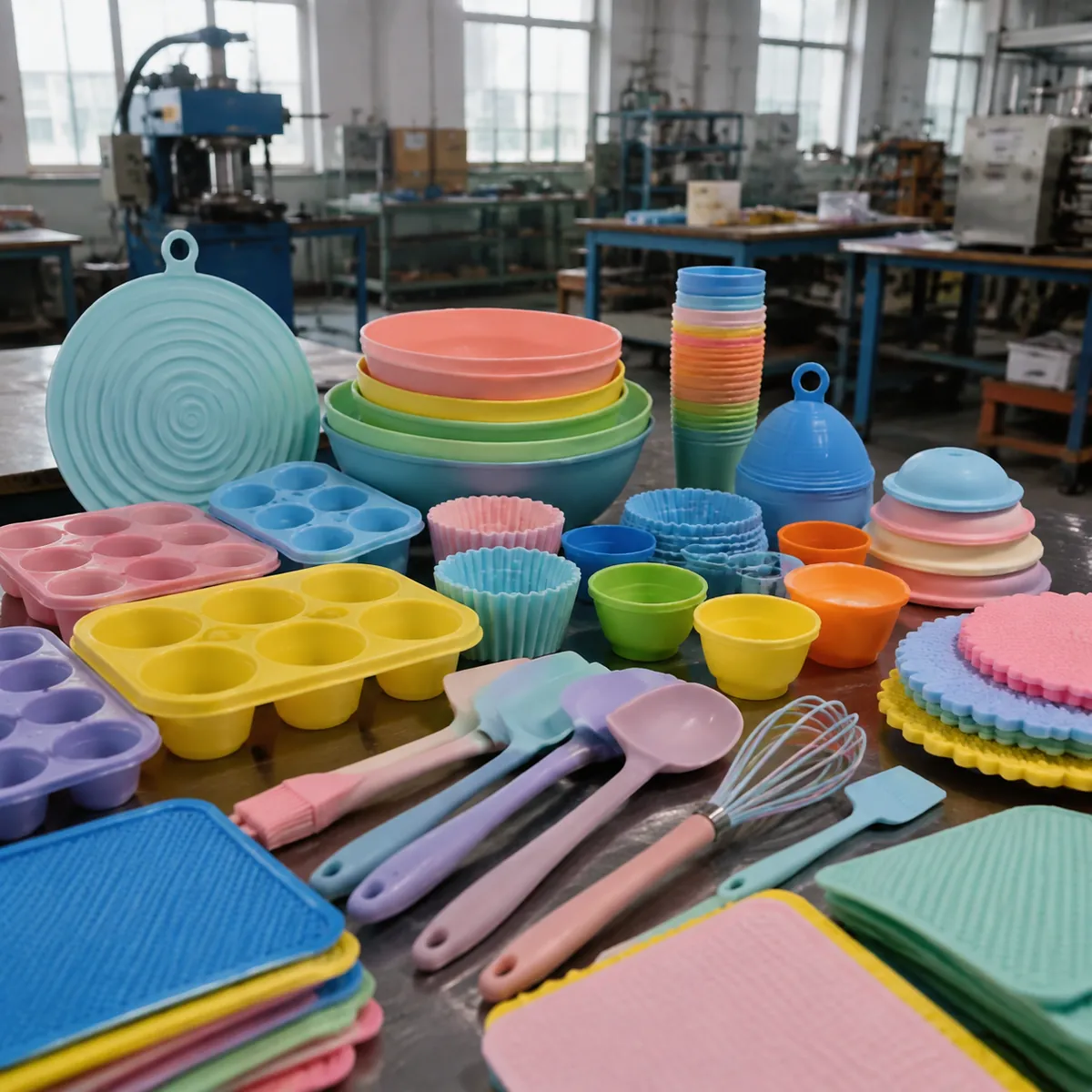
When you move beyond the catalog — your logo, your color, your size, your handle — you need a custom sample. For simple changes like a laser-engraved logo on an existing pan, this may take only a few days and cost a modest sample fee plus shipping. For new shapes, new colors or new materials, the factory may need to prepare tooling or run a small trial batch, which can take one to three weeks and carries a higher sample charge.
Custom samples are where specifications get locked. Put every detail in writing before the factory starts: dimensions, material grade, finish, color reference (Pantone or the factory’s color chip), packaging, and the print or engraving artwork. A sample made from a vague email will teach you nothing except that vague emails produce surprises.
Stage 3: The Pre-Production Sample
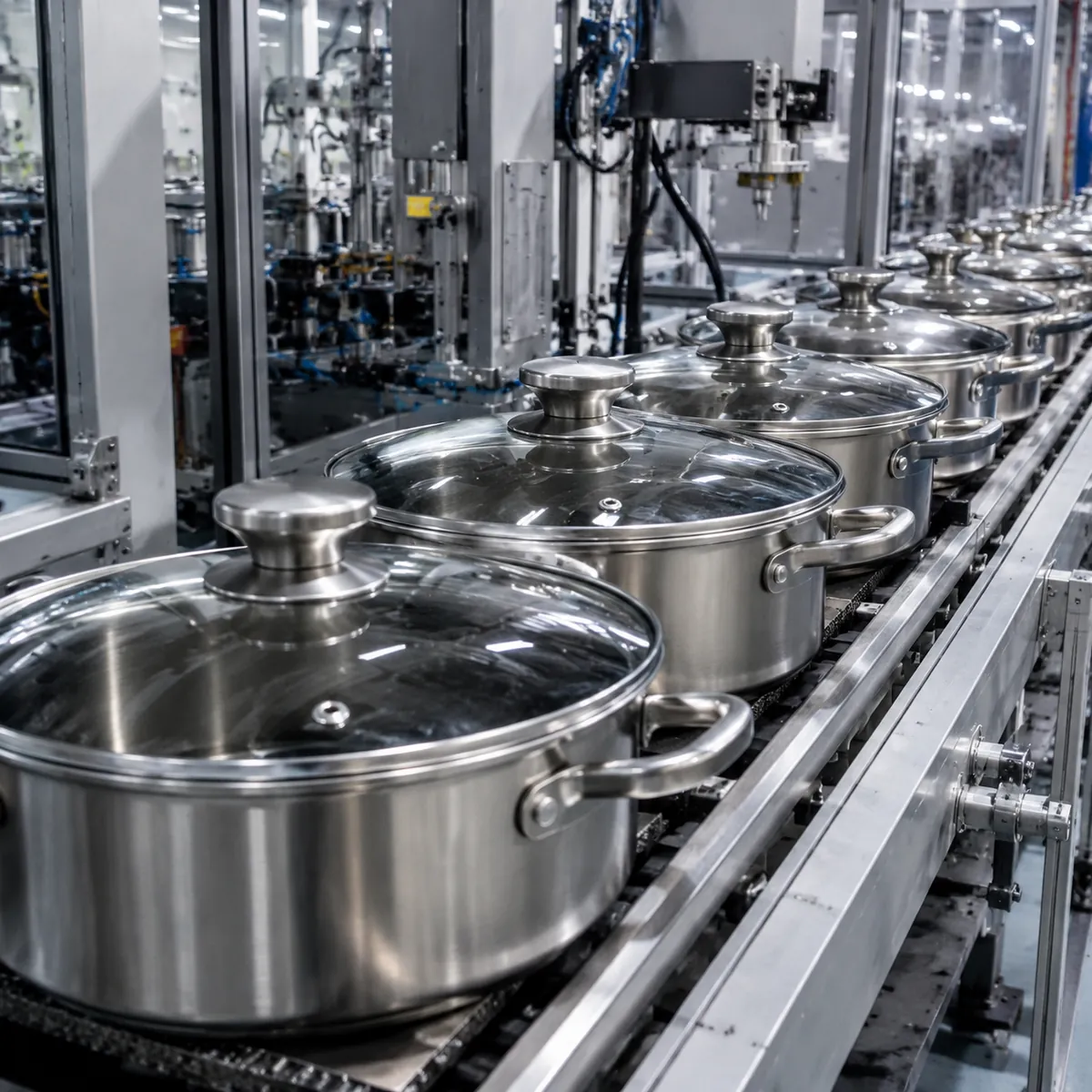
The pre-production sample (often called the PP sample) comes from the actual production line or from the first batch of the production run, not from the sample workshop. It is the proof that the factory can reproduce your custom sample at scale. PP samples matter most for coated, colored or printed products, because coatings and glaze colors can shift between a hand-made sample and a production run.
Lead time for a PP sample usually mirrors production lead time — typically two to four weeks after the custom sample is approved. Some suppliers charge for it, some credit it against the order; confirm the policy in writing. Check the PP sample against your custom sample side by side, especially color, logo placement and packaging.
Sample Types Compared
| Sample Type | What It Proves | Typical Lead Time | Typical Cost |
|---|---|---|---|
| Stock sample | Factory’s standard quality and finish | A few days to 1 week | Often free or cost + shipping |
| Custom sample | Your logo, color, size and specs can be produced | A few days to 3 weeks | Sample fee, sometimes refundable |
| Pre-production sample | Production line reproduces the approved sample | 2 to 4 weeks | Sometimes charged, sometimes credited |
Sample Costs and MOQ: What Is Normal?
Sample policies vary more than prices. A factory that charges a high sample fee may refund it when you place an order, which is common for custom samples. Others keep the fee as a way to filter out non-serious inquiries. Neither approach tells you much about product quality — what matters is that the policy is stated clearly before you pay.
On MOQ: samples are not a commitment to order, and a good supplier will not push you into production after one sample. But be realistic — a custom mold costs the factory money, so a supplier may ask for a higher MOQ or a tooling fee to cover it. If you plan to test the market with small quantities, ask about reduced-MOQ programs or mixed-SKU containers before you design something that needs expensive tooling.
What to Include in a Sample Request
A complete sample request saves a week of back-and-forth. Send the factory:
- Product type and target size, with dimensions in millimeters.
- Material grade or the factory’s existing catalog reference.
- Finish, color reference and logo artwork (vector files for engraving or printing).
- Packaging requirement — retail box, plain box, or polybag.
- Target quantity, so the factory can quote the right sample route (stock vs custom).
- Destination market and any certification needs (food-contact documentation, for example).
How to Judge a Factory by Its Sampling Process
The sampling process is a preview of the production relationship. A factory that answers sample requests with clear timelines, charges transparent fees and delivers the sample on the promised date is usually the factory that ships on time. A factory that is vague about lead times, sends a different color than requested, or only communicates through screenshots is telling you how the production run will feel. Trust the pattern, not the promises.
What to Do When the Sample Is Wrong
A wrong sample is normal; how the factory handles it is the real test. If the color does not match, the handle is loose, or the dimensions are off, send the factory a clear list with photos and the reference spec. Reputable suppliers will correct the sample and reissue, sometimes charging only the additional shipping. What you should not accept is silence, a vague promise to fix it “next time,” or a factory that blames your artwork without explaining the specific mismatch.
Keep a sample log for every project: the spec sheet you sent, the sample you received, and the differences you found. This record becomes your baseline for the pre-production sample and for the final order. Importers who skip the log usually rediscover the same defect at container loading, when it costs real money instead of a sample fee.
FAQ
Are kitchenware samples free?
Sometimes. Stock samples are often free or charged at cost plus shipping, while custom samples usually carry a fee that may be refundable against an order. Confirm the sample policy in writing before requesting.
How long does it take to receive a kitchenware sample?
A stock sample usually arrives within a week, a custom sample can take a few days to three weeks depending on tooling, and a pre-production sample typically takes two to four weeks after the custom sample is approved.
Can I get a sample before committing to an MOQ?
Yes. Samples are the normal first step and do not commit you to an order. However, custom molds or tooling may require a higher MOQ or a tooling fee, so ask about reduced-MOQ options before designing a product that needs expensive tooling.
What is a pre-production sample?
A pre-production (PP) sample comes from the actual production line or first batch of the run, not the sample workshop. It proves the factory can reproduce the approved custom sample at scale, and it is especially important for coated, colored or printed products.
If you are starting a kitchenware sourcing project and want to plan the sampling route for your product, send us your product specs and target quantity — we can tell you which sample stage applies and confirm lead times. Request a sample quotation or message us on WhatsApp with your drawings or catalog reference.