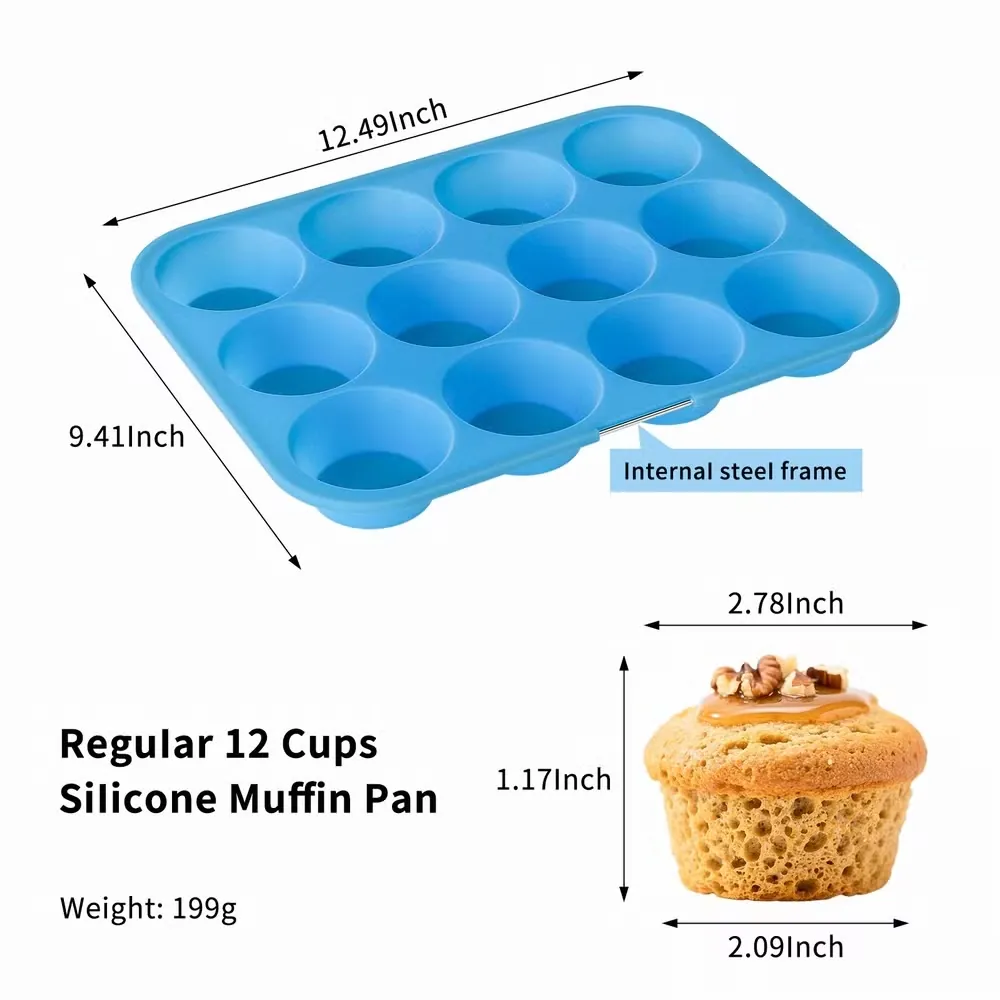
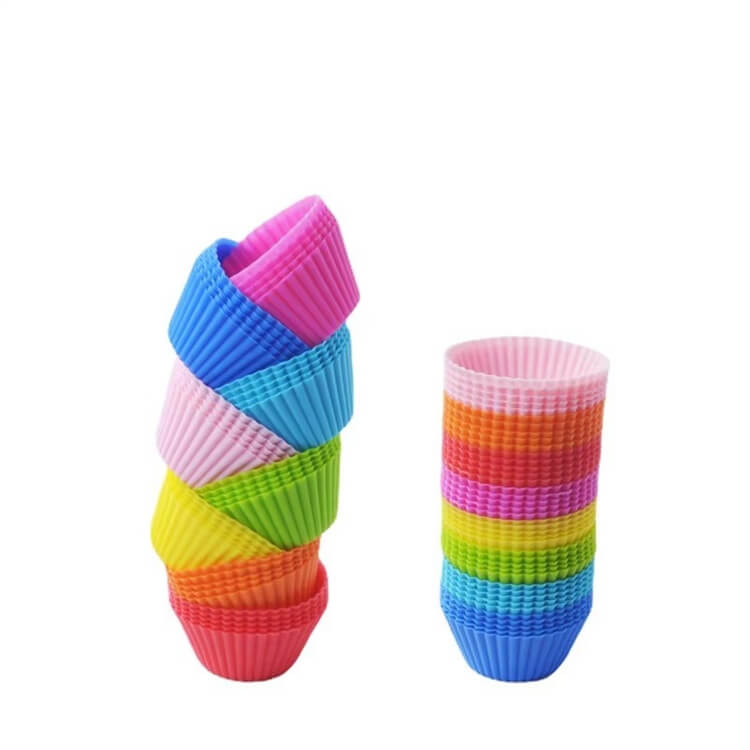
If you want custom silicone baking molds, plan for two costs: the mold tooling and the per-piece production price. Tooling is a one-time cost that usually starts in the hundreds of dollars per cavity design, and the per-piece price drops as quantity rises. This guide covers food-grade silicone grades, how custom shapes and tooling work, realistic lead times, and what MOQ to expect from a wholesale supplier.
Food-Grade Silicone: What the Grade Actually Means
Silicone for baking molds is rated by its raw material quality, not by a single global standard. Suppliers usually quote food-grade silicone with a temperature range of roughly -40°C to 230°C, which covers home ovens. Ask which silicone brand or type they use, whether it is certified food-grade by a recognized testing body, and whether they can share the test report for your market.
Be careful with very cheap molds. Low-cost silicone may contain fillers that reduce the temperature rating or cause odor. A small difference in raw material cost shows up fast in customer reviews, especially for bakeware that goes in the oven.
How Custom Shapes and Tooling Work
Custom silicone molds start with a design file, usually a 3D drawing or a reference product. The factory makes a steel or aluminum mold, and the silicone is injected or pressed into it, then cured in an oven. The tooling cost depends on the cavity count, the complexity of the shape, and the mold material.
| Tooling factor | What changes the cost | Typical impact |
|---|---|---|
| Cavity count | More cavities per mold = more output per cycle | Higher tooling, lower unit price |
| Shape complexity | Deep undercuts and fine detail | More machining time and higher cost |
| Mold material | Steel vs aluminum | Steel lasts longer, costs more |
| Custom color | Colorant per batch | Small effect on unit price |
These are general patterns; ask the supplier for a tooling quote on your specific design before budgeting.
Standard vs Custom: Which to Order First
For a first order, stock molds in standard shapes are the safer start. They have no tooling cost, short lead time, and established QC. Custom shapes make sense once you know your sales volume, because the tooling cost only pays back at scale. Many importers launch with stock items and add one or two custom best-seller shapes later.
MOQ and Lead Times to Expect
Stock silicone molds usually carry a low MOQ, often a few hundred pieces per design. Custom molds typically require a higher minimum because the factory must recover tooling and setup costs. Lead times also differ: stock items can ship in a few weeks, while a custom mold needs tooling production time on top.
Ask for these numbers in writing
- Tooling cost per cavity design, and whether it is refundable against a larger order
- MOQ per design for stock and custom items
- Sample lead time and mass production lead time
- Temperature range and food-grade test report for the silicone
- Packaging options: polybag, hang tag, inner box
Quick check: Are tooling costs refundable?
Some suppliers refund the tooling fee after you reach a cumulative order volume, others do not. Clarify the policy before paying, and get it in the proforma invoice.
FAQ: Silicone Baking Molds Wholesale
What is the difference between stock and custom silicone molds?
Stock molds are existing designs the supplier already produces, so there is no tooling cost and lead times are shorter. Custom molds are made to your design and require tooling, which adds cost and time but gives you exclusive shapes.
What silicone temperature range do I need for baking?
Home ovens typically go up to 230°C, so look for food-grade silicone rated to at least that temperature. Confirm the range in the test report rather than relying on the marketing copy.
How much does silicone mold tooling cost?
Tooling costs vary widely with cavity count and shape complexity. Ask suppliers for a tooling quote on your exact design; a simple single-cavity mold may cost far less than a complex multi-cavity design.
What is the typical MOQ for custom silicone baking molds?
Custom orders usually carry a higher MOQ than stock designs, often starting around 500 to 2000 pieces per design depending on the mold and packaging. Confirm the exact minimum per design in writing.
QC Checks for Silicone Mold Orders
Silicone quality problems are easy to miss until the customer puts the product in an oven. Check the material first: the test report should state food-grade silicone, the temperature range, and the results for the tests your market requires. Check the surface of a sample for bubbles, pinholes, or rough edges, because these appear during curing and are common on low-cost molds.
Check the cavity definition. A custom mold should reproduce the design details cleanly, with no deformed or merged details on deep shapes. Measure the wall thickness at several points; uneven walls can make the mold tear or deform at high temperatures. Test one sample in an oven at the rated temperature and watch for odor, discoloration, or warping.
Packing is part of quality too. Silicone molds can deform in transit if the carton is too tight or the molds are stacked without support. Ask the factory how they pack, and inspect the first shipment before it leaves the warehouse if you can. If you sell through ecommerce, also check whether the retail packaging survives a courier drop; a mold that arrives deformed in a bubble envelope creates returns no matter how good the silicone is.
Planning Your First Silicone Mold Order
A practical first order combines one or two stock best-sellers with one custom design. The stock items generate revenue while the custom design tests the tooling process. Budget for the tooling cost separately from the unit price, and decide in advance whether you will amortize the tooling over the first order or spread it across several orders.
Set the lead-time buffer around the custom design, because tooling production is harder to predict than standard production. Ask the factory for a milestone timeline: design confirmation, tooling completion, sample approval, and mass production start. A supplier who can name each milestone usually delivers on time.
Finally, keep one approved sample per design in your office. It is the reference your QC team and the factory will compare against on every repeat order. Label it with the order date and the approved color code, because a sample that sits on a shelf for months is still the legal reference when a later batch does not match.
Final Recommendation
Start with stock shapes, validate the sales channel, then add custom designs once volume justifies the tooling. Always request the silicone test report and temperature range, and confirm tooling refund policy before paying.
If you are planning a silicone bakeware program, send us your target shapes and quantities. Request a quote or contact us on WhatsApp for tooling estimates and realistic lead times. We can also split the quote between stock designs and custom tooling so you can see the payback point before you commit to a mold.
See the bakeware products and kitchenware products collections for stock mold designs and related baking items. Stock shapes are also the fastest way to validate a new market before you spend on tooling.