Choose a bakeware manufacturer in China by checking four things: material capability, coating and finishing, QC process, and export documentation. A factory that scores well on all four will deliver consistent bakeware; one that only shows pretty product photos will disappoint somewhere in the container. This checklist tells you what to verify, what documents to request, and how to structure a pilot order.
Material Capability: What Bakeware Is Made From
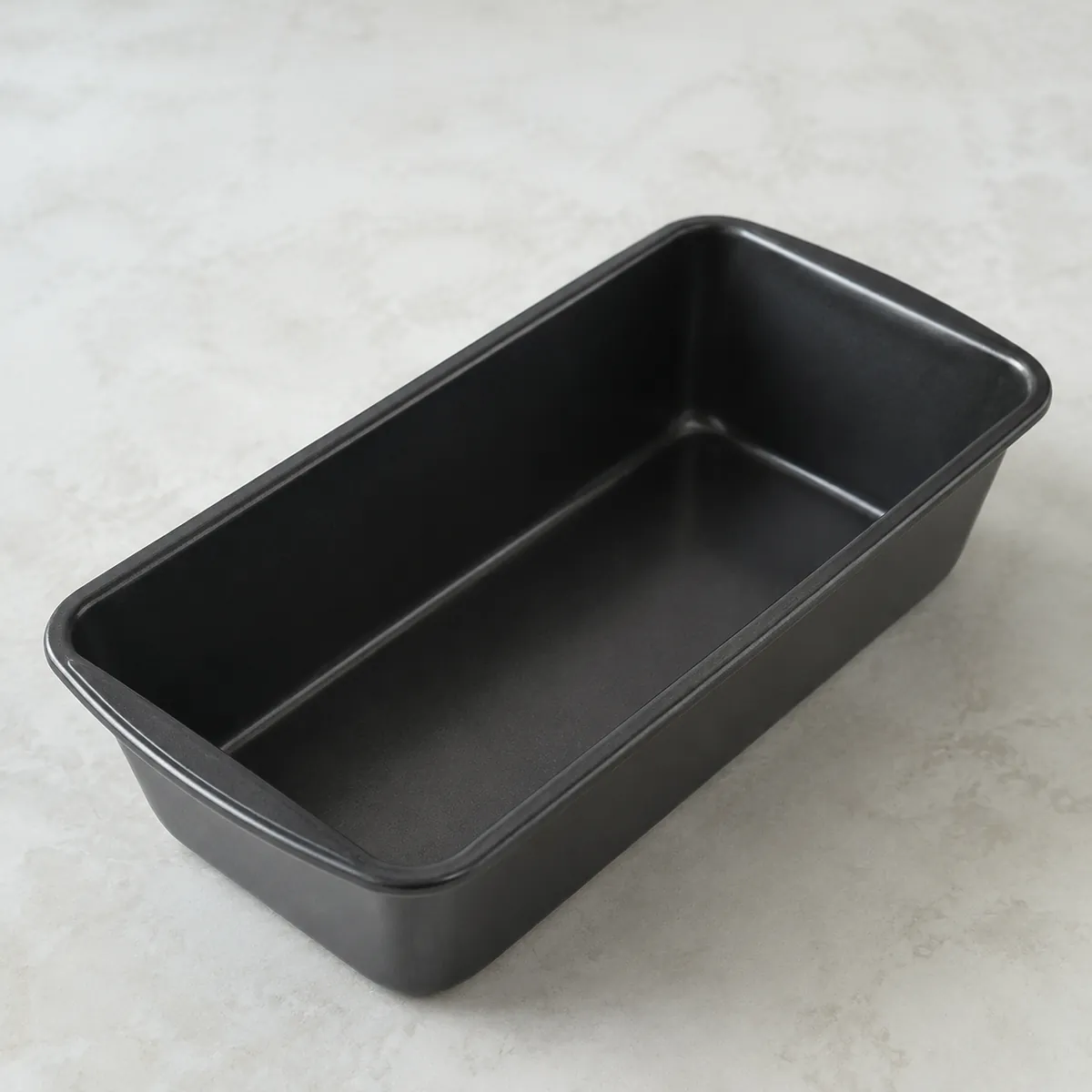
Bakeware spans several materials, and most factories specialize. Carbon steel is common for commercial baking sheets; aluminum is popular for cake pans and muffin tins; silicone and glass cover other segments. Ask which materials the factory produces in-house and which it buys in. Buying in is normal, but you need to know who controls quality.
| Material | Typical products | What to check |
|---|---|---|
| Carbon steel | Baking sheets, commercial trays | Gauge, coating adhesion, rust resistance |
| Aluminum | Cake pans, muffin tins | Gauge, non-stick coating quality |
| Silicone | Molds, muffin cups | Food-grade rating, temperature range |
| Glass | Baking dishes, pie plates | Thermal shock rating, edge finish |
Confirm the exact gauge and material grade for your SKUs; they drive both performance and price.
Coating and Finishing: Where Bakeware Fails
The most common bakeware complaint is coating failure: peeling, chipping, or discoloration after a few months. Ask the factory which coating system they use, how many layers, and what the recommended care instructions are. For carbon steel trays, ask whether they ship with a protective coating or oil that the buyer must remove before first use, and whether that instruction is printed on the packaging.
QC Process: The Checks That Matter
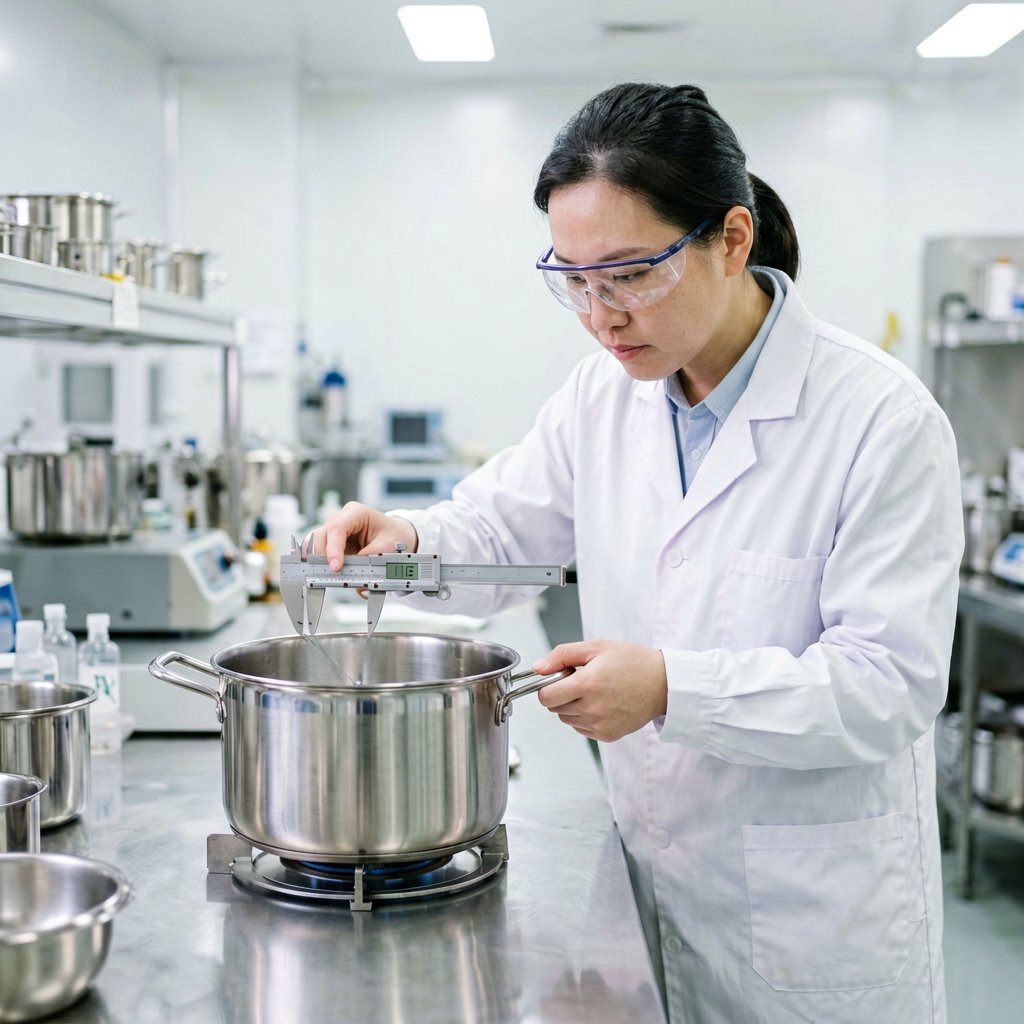
Ask the factory to walk you through their QC steps for a bakeware order. The important checks are incoming material verification, dimensional checks, coating thickness and adhesion checks, and final random inspection before packing. Ask whether third-party inspection is allowed and who pays for it.
Export Documentation: What to Collect
For food-contact bakeware, collect these documents before mass production, not after: material test reports, coating compliance documentation for your market, and the commercial documents for customs (invoice, packing list, bill of lading, and certificate of origin where required). Requirements vary by country, so confirm what your market needs with your customs broker first.
Quick check: Do I need a pre-shipment inspection on every order?
For a first order, usually yes. After two or three clean containers, you can move to random inspections or a QC checklist your factory signs off. The inspection cost is small compared with the cost of a rejected container.
FAQ: Bakeware Manufacturer in China
What is the difference between aluminum and carbon steel bakeware?
Aluminum conducts heat evenly and resists rust, which suits cake pans and muffin tins. Carbon steel is heavier, heats quickly, and is common for commercial baking sheets, but it can rust if not seasoned or protected. Choose by product and target user.
How do I verify a bakeware factory’s coating quality?
Ask for the coating brand and layer count, request a pre-production sample, and test it in real use or a lab. Coating adhesion and temperature resistance are best checked on a physical sample.
What documents does a bakeware supplier need for export?
Material test reports, coating compliance documents for your market, and standard customs documents such as the commercial invoice, packing list, and bill of lading. Confirm the exact list with your customs broker, because requirements differ by country.
What is a typical MOQ for bakeware from a Chinese manufacturer?
MOQs vary by material and customization, often from a few hundred to a few thousand pieces per SKU. Stock designs usually carry lower minimums than custom-coated or branded items.
Structuring a Pilot Bakeware Order
A pilot order for bakeware should be small enough to test and large enough to be representative. Choose two or three SKUs across one material family, such as three aluminum cake pan sizes, and keep the packaging identical across them. This gives the factory a clean production run and gives you clean data on dimensions, coating, and packing quality.
During the pilot, collect the same documents you will require on repeat orders: material certificates, coating information, and inspection photos. Ask the factory to photograph the production line at the same points on every order, because a consistent photo record makes later disputes easy to resolve. If the factory resists basic documentation on a pilot, expect the same resistance on every future order, and weigh that against the price difference before you scale up.
Building a Bakeware QC Checklist
Write the checklist before you place the order, not after the container arrives. The core checks are dimensional accuracy, coating condition, edge finish, and packaging. Measure the pan size and rim height against the spec sheet, and check the coating for thin spots on the inner surface where batter sits. Edge finish matters on glass bakeware in particular, because chipped edges are both a safety and a returns problem.
For carbon steel trays, check the protective coating or oil and the instructions that tell the end user how to prepare the tray for first use. A tray that arrives rusted because the protection failed is a common first-order complaint. Confirm the rust protection method for your destination market, especially for sea freight to humid regions.
Weigh a sample of each SKU and record the number. Weight drift between batches is a quick way to catch material changes before they affect the market.
Export Paperwork That Prevents Delays
Customs delays on bakeware usually come from missing or inconsistent paperwork. Make sure the commercial invoice, the packing list, and the product descriptions on the bill of lading all use the same wording. A mismatch between the invoice description and the customs declaration is one of the most common reasons a container is held for inspection.
Check whether your market requires specific food-contact documentation and whether the factory’s test reports match the exact SKUs in the shipment. If the report covers a similar product but not your SKU, ask the factory to issue one for the shipped item. Keep a document folder per order from day one, because assembling a paper trail after a customs hold is far more expensive than filing it as the order progresses.
Final Recommendation
Verify material capability, coating quality, QC steps, and export documents before you place the order, then run a pre-shipment inspection on the first container. Bakeware margins reward consistency, and consistency starts with documentation.
If you are sourcing bakeware and want help checking a factory’s capabilities against your spec, send us the target products and quantities. Request a quote or contact us on WhatsApp for sourcing notes and lead-time estimates. We can also review your draft QC checklist against the material family you are buying.
Browse the bakeware products and kitchenware product range to see the stock designs our partners produce. Stock items also give you a low-risk benchmark for gauges and finishes before you move to custom production.