Before you place a bakeware wholesale order, verify five things in writing: what the production line actually makes, how the coating is applied, what oven-temperature claim the product can support, how QC is run, and how the goods will be packed for export. Bakeware looks simple — a tray is a tray — but the difference between a profitable line and a returns problem is usually hidden in those five answers. This checklist is the short version of what we ask suppliers on behalf of importers.
Material Capability: What the Line Actually Produces
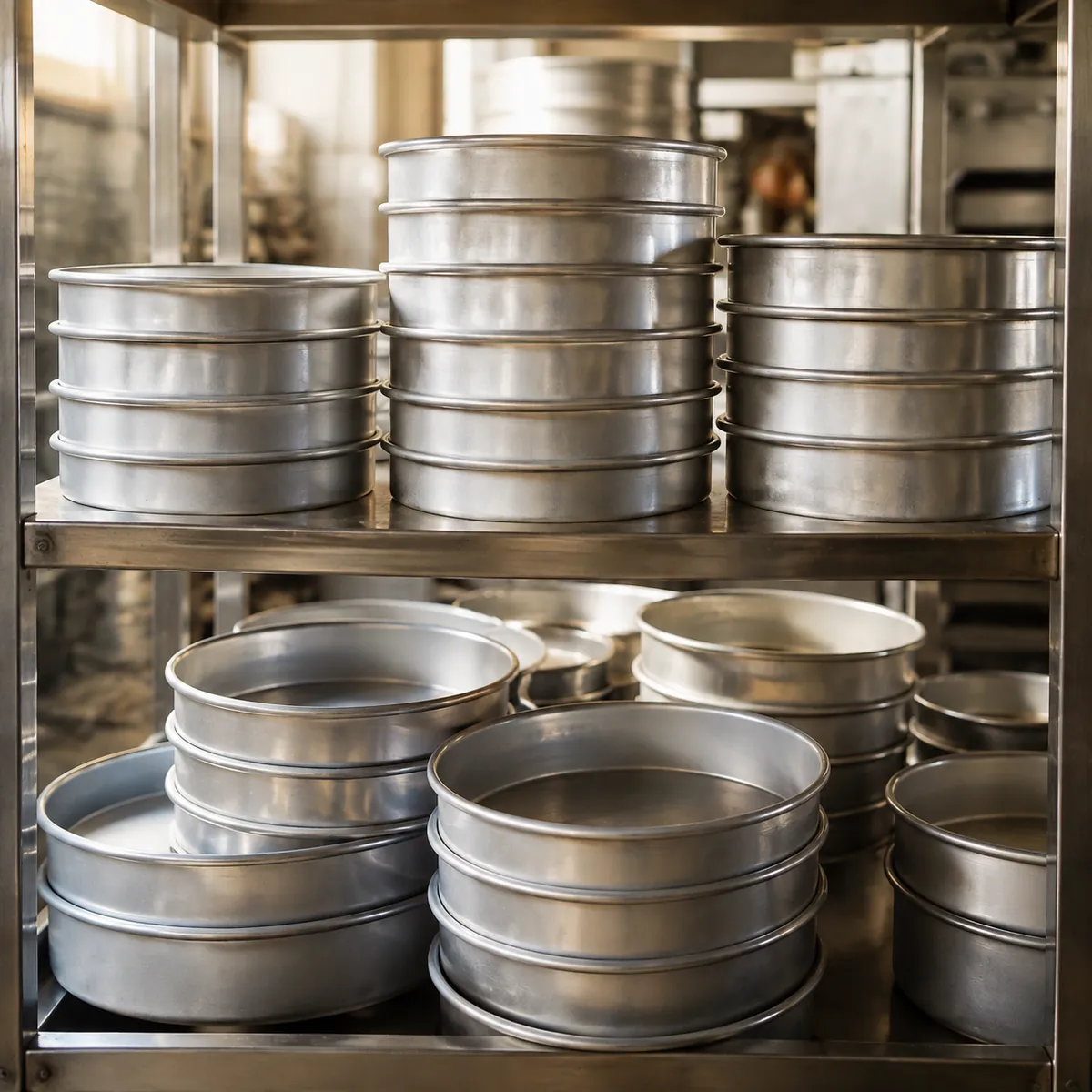
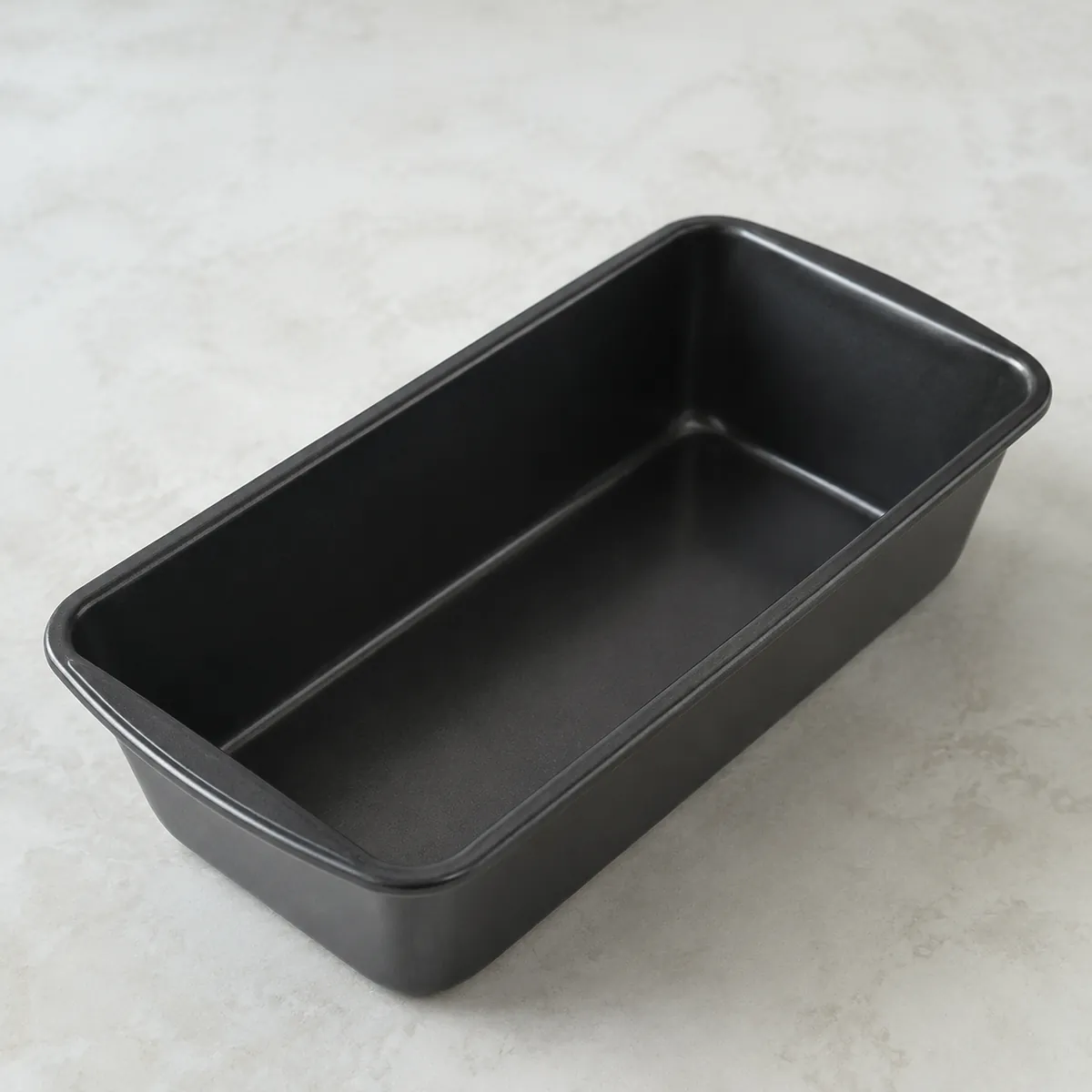
Bakeware factories specialize more than their websites suggest. One line may be excellent at carbon steel baking trays, another at silicone molds, another at glass or ceramic bakeware. Ask which material lines run in-house and which are outsourced. There is nothing wrong with a factory that outsources one step, but you should know where each component is made before you approve a quote. Confirm the material grade per SKU: carbon steel gauge for trays, aluminum alloy grade for cake pans, food-grade silicone grade for molds, and borosilicate glass for dishes.
| Bakeware material | Typical oven-safe range | Typical coating option | QC watchpoints |
|---|---|---|---|
| Carbon steel trays | Up to about 230°C (confirm per product) | Non-stick or bare/seasoned | Warpage after baking, coating adhesion |
| Aluminum alloy pans | Up to about 230°C (confirm per product) | Non-stick | Coating thickness, corners and edges |
| Silicone molds | Usually -40°C to 230°C (confirm per product) | None needed | Food-grade grade, smell, tear strength |
| Borosilicate glass | Oven and freezer safe (confirm range) | None | Thermal shock, bubbles, edge chips |
The temperature ranges above are typical starting points, not guarantees. Always confirm the exact range for your SKU in the datasheet.
Coating Process and Food-Contact Claims
Most retail bakeware complaints start with the coating. Ask for the coating system name and its PFOA-free status in writing, and ask how many layers are applied and at what curing temperature. A thin coating saves the factory money and costs you returns when it flakes in the first months. Also confirm the food-contact framework your target market expects — EU 1935/2004, LFGB or FDA are common reference points, but confirm which one your buyer accepts and that the factory’s test report matches it.
Oven-Safe Claims and Temperature Testing
“Oven safe” on a label is a claim you inherit. Ask the factory what temperature the product was tested at, for how long, and whether the test covers the handle as well as the body. For non-stick bakeware, confirm the maximum temperature that the coating can take without discoloring or degrading. If the factory cannot produce a test record, treat the claim as unverified and test the pre-production sample yourself at the temperature you plan to print on the label.
QC and Sampling for Bakeware
Bakeware QC is mostly about visual and dimensional consistency. Check that trays are flat after production — warpage is the most common hidden defect — that coating coverage is even at corners and edges, and that dimensions match the spec within the tolerance you agreed. For silicone, check for smell, tear strength and whether the mold returns to shape after bending. Always approve a pre-production sample before mass production, and keep the approved sample as the reference for the final inspection.
Export Packaging for Retail vs Bulk
Decide retail-ready or bulk packaging before the quote. Retail-ready cartons cost more but save your warehouse time and reduce handling damage; bulk packaging is cheaper and suits distributors who repack locally. For glass bakeware, corner protection and adequate carton strength are non-negotiable. Confirm the carton dimensions, inner packing and labels in the written spec, and ask for a packing photo from the production line before the container loads.
To see how bakeware categories map to real products, our bakeware product range covers trays, pans, molds and dishes, and the full product catalogue shows the wider kitchenware lines we supply.
Sample Matrix: How Many SKUs to Sample
Sampling every SKU in a bakeware program gets expensive, but sampling none is worse. A practical rule for a first order is to sample one SKU per material line: one carbon steel tray, one aluminum pan, one silicone mold, one glass dish if you carry the category. The sample confirms the factory’s real output for that line, and the approved sample becomes the QC benchmark for every SKU made on the same line. For SKUs you do not sample, request photos from the production line during the first batch and inspect them against the approved sample.
| Material line | Sample this first | Check on the sample |
|---|---|---|
| Carbon steel | Standard baking tray | Flatness, coating adhesion, corners |
| Aluminum | Cake pan with non-stick | Coating thickness, rim finish |
| Silicone | Muffin mold | Food-grade grade, smell, tear strength |
| Glass / ceramic | Baking dish | Thermal shock, edge chips, bubbles |
The one-per-line rule keeps sample cost controlled while still giving you evidence about every material the factory will produce for you.
Common Bakeware Sourcing Mistakes
Three mistakes appear again and again in bakeware programs. The first is ordering on a photo: a tray photographed from above can hide warpage, uneven coating and thin gauge. The second is assuming one oven-safe temperature for the whole range; a silicone mold and a carbon steel tray rarely share the same limit, and printing the wrong number on the label creates complaints. The third is skipping the packing photo before loading; glass and coated items are damaged in transit when the inner packing does not match the carton spec. None of these are expensive to avoid — each one needs a written spec and a photo or sample check before the container loads.
Quick check: Can one factory cover all my bakeware?
Many can cover carbon steel and aluminum lines in-house, and some add silicone or glass through partner lines. Ask for a clear statement of which lines are in-house and which are subcontracted, then decide whether the split is acceptable for your QC plan.
FAQ: Bakeware Supplier Verification
What is the most common bakeware defect to check?
Warpage on trays and pans, and coating adhesion problems at edges and corners. Both are easy to miss in photos and easy to catch on a pre-production sample.
Do I need a food-contact test report for bakeware?
Most retail buyers expect one for the target market. Confirm which framework your buyer accepts, and ask the factory for the matching test report before you approve the order.
Should bakeware be ordered retail-ready or bulk?
It depends on your channel. Retail-ready cartons save warehouse labor and reduce damage but cost more; bulk packaging suits distributors who repack locally. Decide before the quote so the price is comparable.
What temperature claim should I print on the label?
Only print what the factory’s test record supports, and test the handle too. If the test is missing, run your own test on the sample before mass production.
Final Recommendation
Bakeware sourcing rewards written specifications. Confirm material capability, coating process, oven-safe claims, QC method and packaging in the same document, then verify the pre-production sample against it. That one discipline removes most of the surprises that turn a cheap tray into an expensive return.
If you are planning a bakeware wholesale program, send us your target products and quantities. We reply with material options, coating specs and lead-time estimates. Request a quote or contact us directly via WhatsApp — a real sourcing specialist will respond.