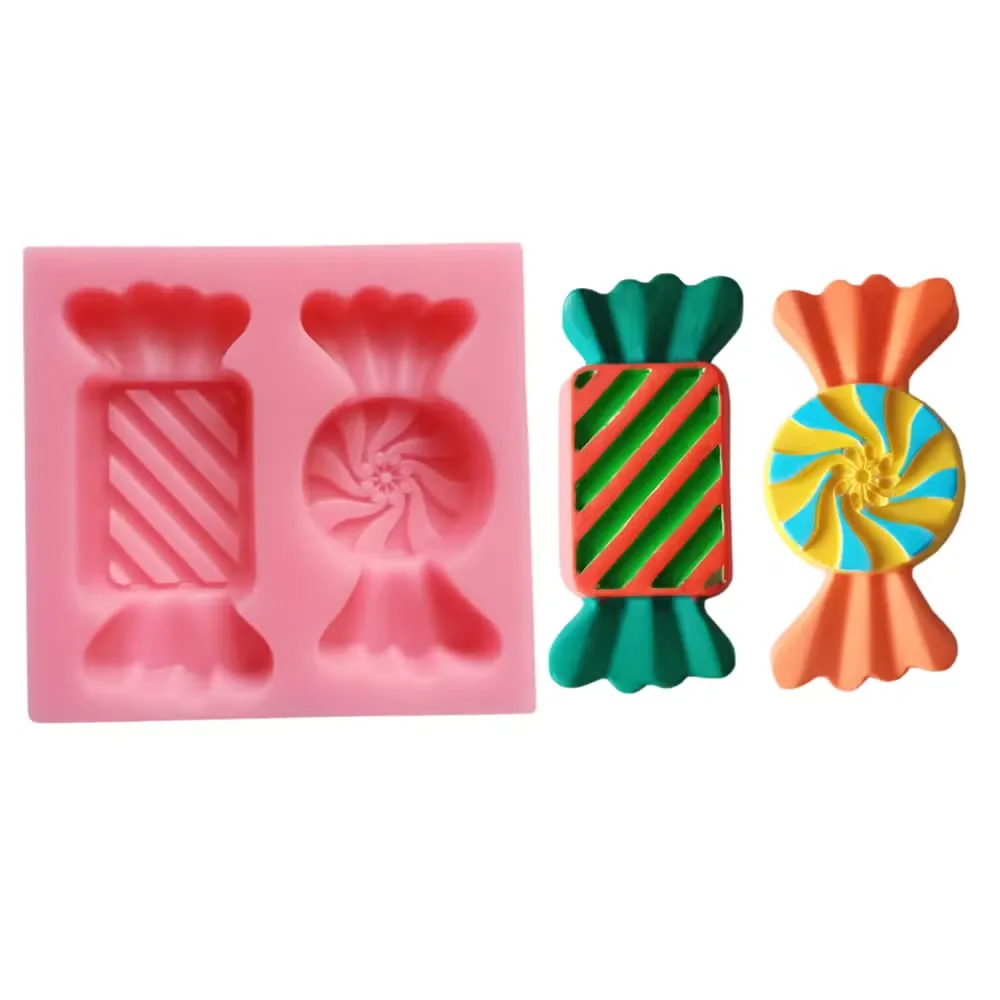
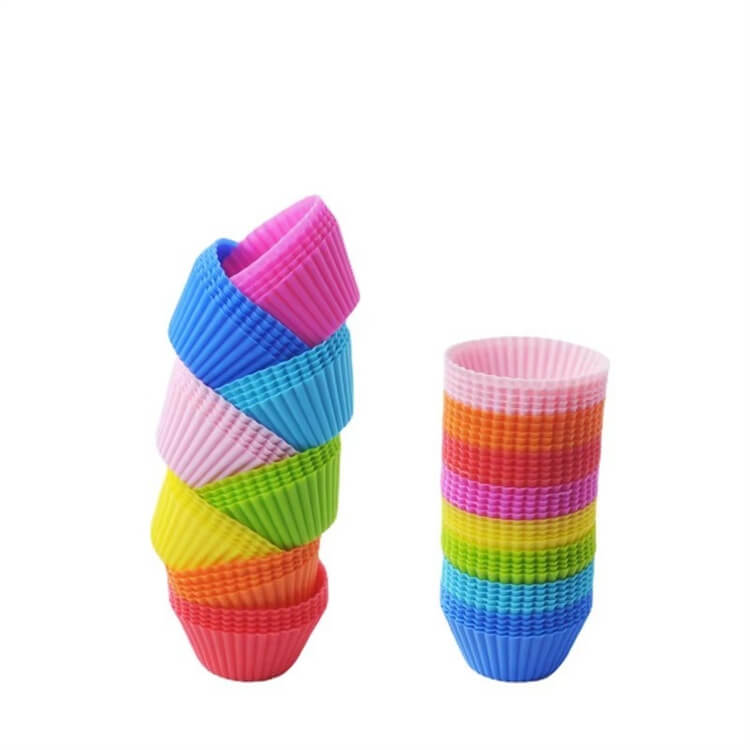
Three specs decide whether silicone baking molds sell well in retail: shore hardness, temperature rating and the packaging story. Hardness changes how easily the mold releases and how durable it feels; the temperature rating decides what buyers can safely do with it; and packaging determines whether the product reads as a quality item or a cheap import. This guide explains each spec, how to check samples, and what to confirm with a wholesale supplier before you order.
Why Shore Hardness Matters
Shore hardness measures how firm silicone is, usually on the Shore A scale for baking molds. Softer silicone, around 20 to 30 Shore A, flexes easily and releases cakes well, but it can feel flimsy and may tear faster. Firmer silicone, around 40 to 60 Shore A, holds its shape better and feels more substantial, but release can be harder and some shapes become difficult to unmold. There is no single “best” number — it depends on the shape and the user.
For wholesale, the practical question is what your customers expect. A muffin mold with a steel frame can be softer because the frame supports it. A free-standing cake mold needs firmer silicone to hold its shape in the oven. Ask the factory for the hardness value, not just “food-grade silicone,” and compare it against the products you already sell successfully.
| Shore A range | Feel | Typical use |
|---|---|---|
| 20–30 | Soft, very flexible | Small molds, ice cube trays, liners with strong support |
| 35–50 | Medium, balanced | Cake molds, loaf pans, muffin pans |
| 50–65 | Firm, holds shape | Free-standing shapes, commercial bakeware, molds with details |
Use the table when you brief the factory. Tell it the hardness range you want for each shape, and check the pre-production sample against that range.
Temperature Ratings and Food-Grade Grades
Silicone baking molds usually carry a temperature range such as -40°C to 230°C, but the real number depends on the silicone formulation and any fillers. Confirm the continuous-use temperature, not just a peak number, because some silicones survive a short peak but degrade with repeated high heat. Ask whether the mold is safe for direct oven use, broiler exposure, and freezer use, and confirm which parts of the product carry which rating.
Food-grade silicone itself is a broad claim. Ask which food-grade standard or framework the material follows — such as the EU food-contact framework, FDA in the US, or others relevant to your market — and whether the factory has a test report for the specific silicone grade used. Confirm whether the colorants and any printing inks are also food-contact suitable, because the base silicone can be compliant while a decorative print is not.
How do I test a silicone mold sample quickly?
Fold and twist the sample to check flexibility and recovery, press a fingernail into it to gauge firmness, and check for a strong chemical smell, which can indicate lower-grade silicone. Bake a small test with the sample at the claimed temperature and watch for warping or odor. These checks are not a substitute for a lab report, but they flag problems fast.
Color, Finish and Detailing Checks
Color consistency matters more than buyers expect. Silicone pigment batches vary, and a retail line with uneven color across units looks cheap on the shelf. Ask for the color reference and confirm how the factory controls batch-to-batch color. Pastel and bright colors are harder to keep consistent than neutral tones, so if your line uses multiple colors, check them against the approved sample.
Also check the surface finish: a mold with visible flash lines, rough edges or dust contamination will return complaints. Confirm the cavity details are sharp — logos and texture on the bottom of a cake mold are a selling point only if they transfer cleanly. A pre-production sample in the final color is the only reliable way to judge this. Keep one approved master sample at your office and reference it during inspection, so the QC report is compared against the same standard every time.
Packaging for Retail and Wholesale
Silicone molds are lightweight but bulky, which makes packaging and freight cost a real decision factor. For retail, decide between hanging cards, boxes and polybags with labels; each changes shelf presence and unit cost. For wholesale, confirm the carton packing quantity, inner box configuration and barcode placement before production.
Because silicone ships folded easily but stores deformed, confirm how the mold is packed to avoid permanent creases in transit. Some suppliers include a paper insert to keep the shape. Confirm the packaging material is food-contact safe if it touches the mold surface, and ask whether the packaging carries any claims — like BPA-free — that need supporting documents for your market.
Buyer Quick Checklist
Use this list when you compare silicone baking mold quotes: shore hardness range per shape, continuous-use temperature rating, food-grade standard and test report, color control process, and packaging that prevents deformation in transit. Confirm each point on the quotation, then check the pre-production sample against the list.
- Shore A hardness stated per shape, not just “food-grade silicone.”
- Continuous-use temperature, not only a peak number.
- Food-contact test report for the specific silicone grade and colorant.
- Retail packaging confirmed, including inserts that keep the shape.
FAQ: Silicone Baking Molds Wholesale
What is the best shore hardness for silicone baking molds?
It depends on the shape and use. Soft silicone around 20–30 Shore A releases easily but feels flimsy; firmer silicone around 40–60 Shore A holds shape and feels more substantial. Specify the range per shape and verify it on the sample.
Are silicone baking molds safe at 230°C?
Many are rated up to around 230°C, but confirm the continuous-use temperature and whether the whole product — including any frame or handle — carries the same rating. Check the test report for the specific grade used.
How can I tell food-grade silicone from regular silicone?
Ask for the food-grade standard the material follows and a test report for the specific grade. A strong chemical smell, visible fillers, or a very low price are warning signs, but only the document trail confirms compliance.
What MOQ should I expect for custom silicone molds?
Custom shapes need tooling, so MOQs and lead times are higher than catalog items. Confirm whether the MOQ applies per color or per shape, and ask for a sample of the custom tool before mass production.
Final Recommendation
Lock the three specs — shore hardness, temperature rating and packaging — in writing before you order, then verify them on a pre-production sample in the final color. The sample catches most problems that would otherwise surface as returns or complaints in your retail channel. See the bakeware product range for silicone and tray starting points, and compare across the kitchenware range when you build your mix.
If you are building a silicone baking molds wholesale program and want help matching the right specs to your market, send us your target shapes, quantities and retail price points. We reply with sourcing notes, sample options and lead-time estimates. Request a quote or contact us directly via WhatsApp — a real sourcing specialist will respond.