Kitchenware wholesale for online retailers works best when you plan the assortment before you contact suppliers: choose a mix of cookware, bakeware, tableware and utensils that share a price band and a shipping profile, then check each factory on product depth, packaging and lead time. A narrow range that sells is better than a wide range that sits in a warehouse. This guide covers assortment planning, SKU budgeting and the supplier checks that matter for e-commerce.
How to Plan a Kitchenware Assortment for Online Retail
Online kitchenware buyers usually search by product type first — frying pan, baking tray, cutting board — so your assortment should map to searchable categories, not to a single theme. A practical starting mix is one core cookware line, one bakeware line, one tableware or utensil line, plus a few accessories that raise basket size. Each line should have a clear price tier and a consistent visual style so your store looks curated rather than random.
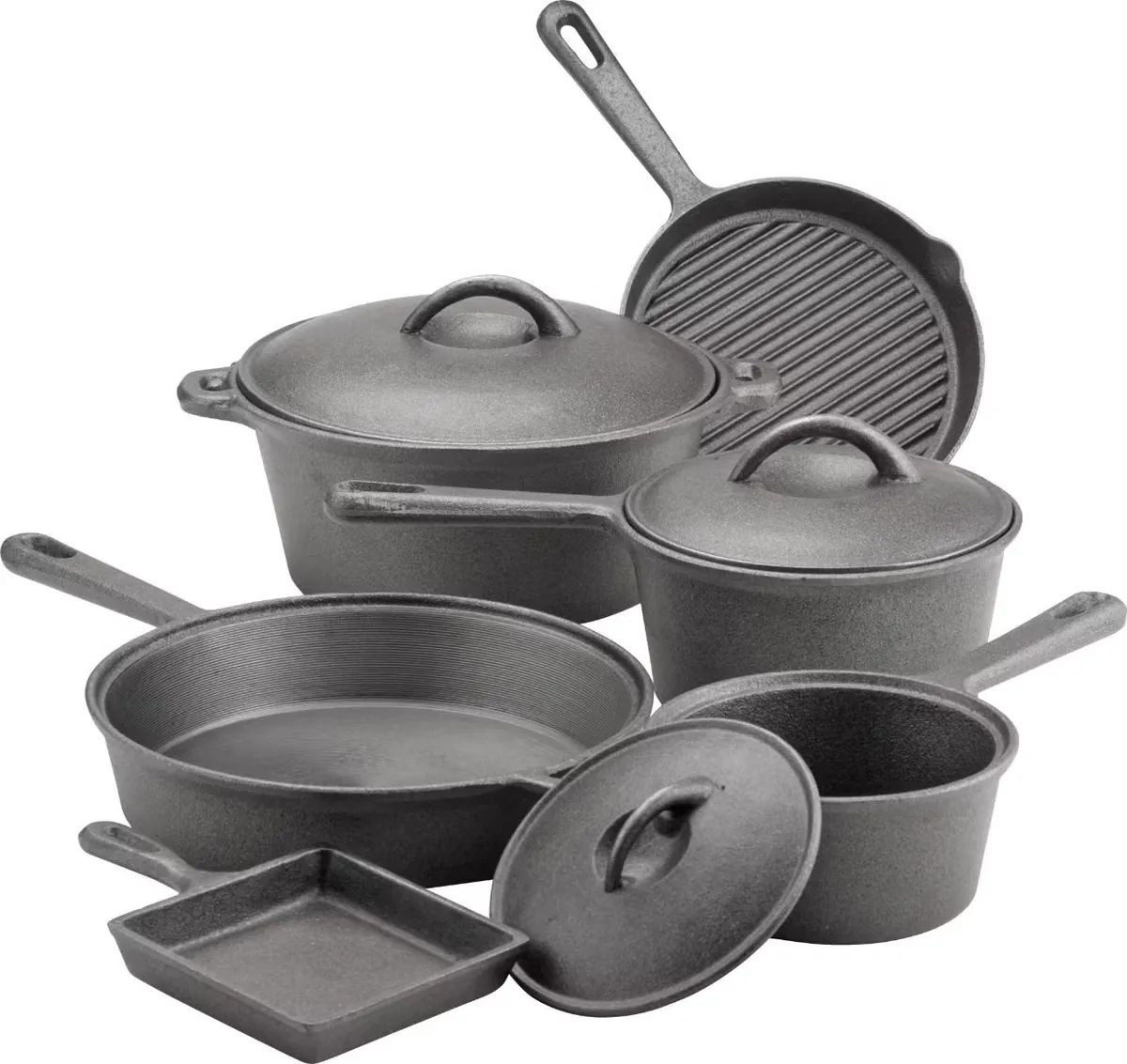
Consider shipping and storage before you fall in love with a product. Heavy cast iron pans and large glass dishes cost more to ship and break more often than silicone molds or utensils. Many online retailers build the assortment around mid-weight items first, then test heavier SKUs once the fulfillment process is proven.
| Assortment block | Example SKUs | Why it works online |
|---|---|---|
| Cookware | Non-stick fry pans, stainless steel pots, woks | High search volume; repeat purchase potential with sets |
| Bakeware | Baking trays, silicone molds, loaf and cake pans | Strong seasonal peaks; light and easy to ship |
| Tableware | Cutlery sets, bowls, plates, serving boards | Good for bundles and gifting |
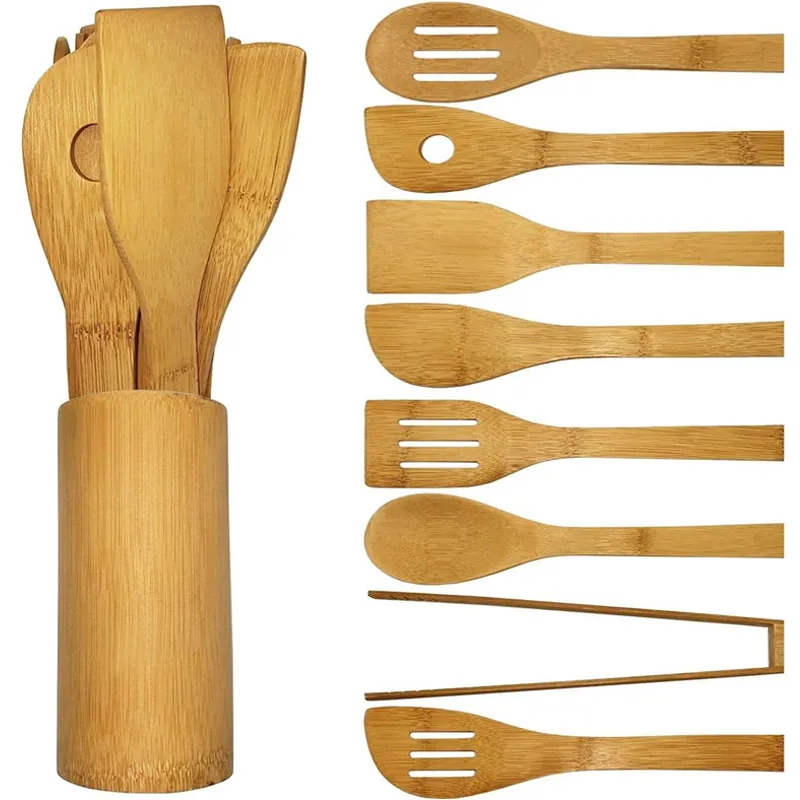
| Utensils | Spatulas, tongs, measuring tools, knife sets | Low cost per item; natural add-on at checkout |
Keep the number of SKUs realistic for your cash flow. Start with a small core range, measure sell-through, then expand into the categories that respond. Suppliers quote better when you consolidate several SKUs into one container, so a planned range of 15 to 30 SKUs usually gives you more negotiation room than a handful of random items.
SKU Budgeting and Margin Planning
Build a simple cost model per SKU before you negotiate: factory price, packaging cost, freight and duty per unit, fulfillment cost, and your target margin. Ask the supplier for the packed weight and carton dimensions with the quote, because those numbers drive freight and can change the margin more than the unit price itself.
Do not lock margins to a single price point. Markets change, and a retail price that works in one season may not hold in the next. Instead, check that your model still meets your target at a realistic discount level, and keep at least two alternative price points per SKU.
What margin can an online retailer expect on kitchenware?
It varies widely by category, market and fulfillment setup, so treat any single number with suspicion. Build your own model from real quotes and compare it against your store’s operating costs. A margin that works for lightweight silicone molds may not work for heavy cookware after freight is included.
Supplier Checks Before Your First Kitchenware Order
For a wholesale supplier, verify these points before ordering, not after:
- Product depth: does the factory make the category, or does it source from other factories? A manufacturer can usually answer technical questions about material and finish; a trader often cannot.
- Packaging capability: can it supply retail-ready packaging with your barcode and print? Separate packaging MOQs often apply.
- Sample policy: does it provide pre-production samples, and what does the sampling fee cover?
- Food-contact documents: ask for material declarations and test reports that match your destination market.
- Lead time and minimums: confirm per SKU, per colorway, and for first orders versus reorders.
Ask for references to existing customers only as a soft signal, and check the factory’s export history with documents such as export records and certificates. A supplier that publishes clear specifications and answers detailed questions in writing is usually easier to work with than one that replies with a one-line price.
Common Assortment Mistakes
The most common mistake is ordering the cheapest version of each product from different suppliers, which creates inconsistent quality and multiple freight minimums. Another is ignoring the packaging: an excellent product with a weak retail box looks like a low-end item online. A third is over-ordering new designs without testing them — one container of a slow-selling SKU can erase the profit from several winners.
Test with smaller quantities across a broader range first, then concentrate reorders on the SKUs with real sell-through data. This is a slower start and a safer one.
A fourth mistake is buying from a supplier that cannot explain its own product. If the salesperson cannot tell you the material grade, the packed weight or the lead time without checking with someone else, that uncertainty will follow you through sampling, production and reorders. Write down every answer you receive in writing, and treat vague replies as a warning sign before you commit inventory budget.
FAQ: Kitchenware Wholesale for Online Retailers
How many kitchenware SKUs should I start with?
A focused start of 15 to 30 SKUs across cookware, bakeware, tableware and utensils is a common working range for online retailers. It is enough to test demand and consolidate shipping, without tying up too much cash in slow-moving stock.
What kitchenware categories work best for online retail?
Light, shippable items with clear search demand — bakeware, silicone molds, utensils and mid-weight cookware — tend to work well for online stores. Heavy or fragile items can still sell, but you need to price for higher freight and breakage risk.
How do I check a kitchenware wholesale supplier?
Verify product depth, sample policy, packaging capability, food-contact documents and lead times in writing. Prefer a factory that answers detailed technical questions over one that only sends a price list.
What is the minimum order for kitchenware wholesale?
Minimums depend on the category and the change level. Catalog items with logo or packaging changes usually have lower minimums than custom designs, and MOQs often apply per SKU and per colorway. Confirm both before you plan inventory.
Should I test small before ordering a full container?
Usually yes. Start with sample quantities or small first orders across a range, measure sell-through, then concentrate reorders on proven SKUs. This protects cash flow and gives you negotiating data for better pricing.
Final Recommendation
Plan the range, build the cost model, then go to suppliers with a clear SKU list and document requirements. A disciplined assortment with verified factories will outperform a wide, unplanned catalog every season. Start your shortlist on the kitchenware products page, compare categories on the full product list, and consider adding drinkware as a light, high-margin extension of the same order.
If you are building a kitchenware assortment and want help with supplier selection, sample coordination and packaging checks, send us your target categories, quantities and market. Request a quote or contact us on WhatsApp — a sourcing specialist will walk through your range with you.