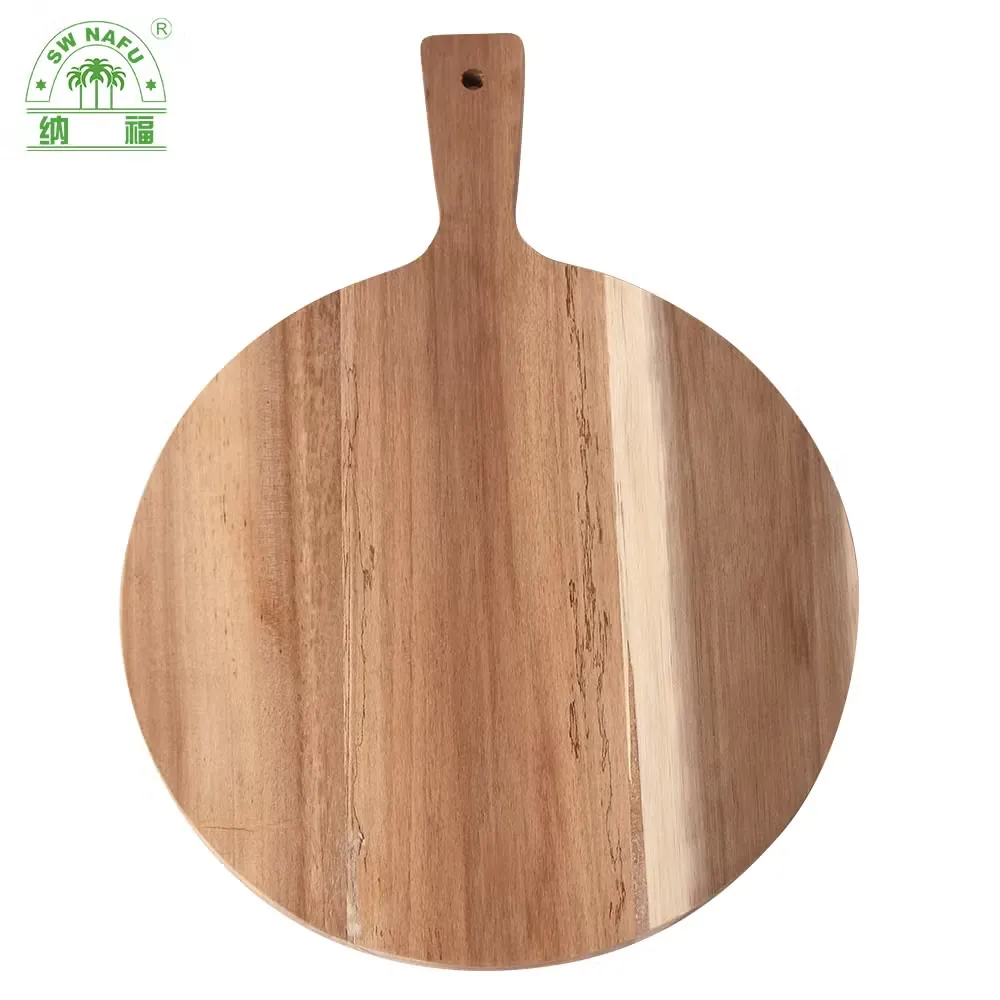
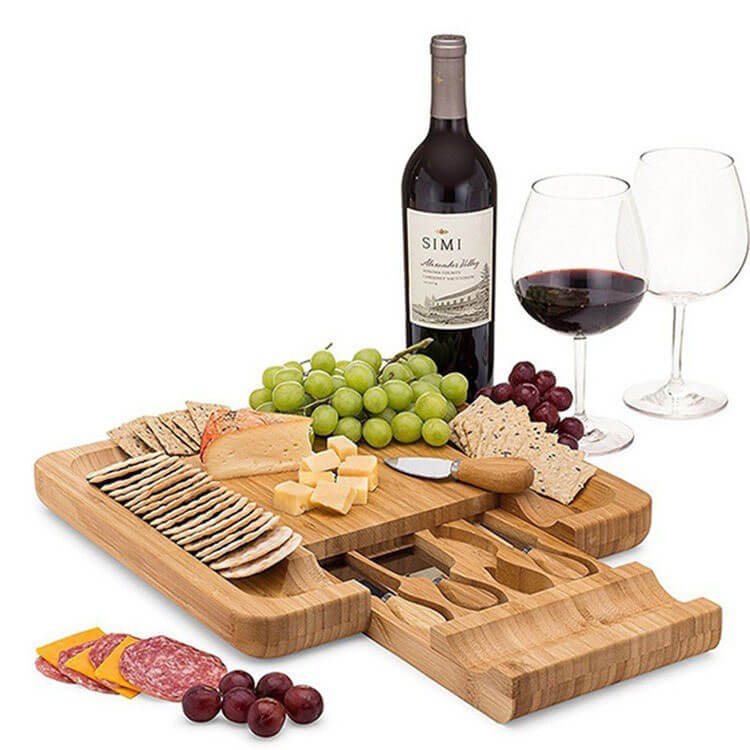
Wooden chopping board quality is decided in the drying room before the board is ever cut, shaped or sanded. The most important specification you can put on an OEM order is the target moisture content and the drying method, because wood that is not dried correctly will warp, crack and split after it reaches your customer’s kitchen. This guide explains the moisture, drying and warping checks to run when sourcing wooden chopping boards.
Moisture Content: The Number That Matters Most
Wood absorbs and releases moisture as the surrounding air changes, and it swells or shrinks as it does. If a board is cut from wood that was not dried to the right level, it will keep moving after production. For indoor kitchen use, most wooden boards are dried to a moisture content in the range of 6% to 10%, but the correct target depends on the destination climate — a board shipped to a dry inland market behaves differently from one shipped to a humid coastal region.
Ask the factory to state the target moisture content on the specification and to measure it with a moisture meter on the production line. A factory that cannot quote a moisture target is usually drying wood “until it feels right,” which is not a controllable specification.
| Check | What to verify | Typical target |
|---|---|---|
| Moisture content | Factory’s drying target and measurement method | Usually 6-10% for indoor boards |
| Drying method | Kiln dried versus air dried | Kiln dried is more consistent |
| Grain direction | End grain, edge grain or face grain construction | Depends on product position and price |
| Glue joints | Joint tightness on edge and end grain boards | No gaps or starved glue lines |
| Finish | Food-safe oil or wax application | Food-safe, non-toxic finish |
Kiln Drying versus Air Drying
Kiln drying controls temperature and humidity in a closed chamber, which produces a more even moisture level across the board in a predictable time. Air drying is slower and depends on the local climate, so the final moisture content can vary more between batches. For OEM programs with consistent quality requirements, kiln-dried wood is the safer specification.
Ask how long the wood was dried and whether the moisture content is measured after machining or before. Moisture can change during cutting, sanding and finishing, so the measurement point matters for the final product.
For boards that will be laser-engraved or printed with a logo, the drying level also affects how the engraving holds. Ask the factory how it handles rejects — whether warped or cracked boards are caught before packing and what the typical reject rate is for the batch. These answers tell you whether the drying process is controlled or improvised.
Why Boards Warp and Crack
Warping and cracking happen when different parts of the board lose or gain moisture at different rates. A board cut with the grain running in one direction can cup when one face dries faster than the other. Cracks usually start at the ends, where moisture escapes fastest, unless the ends are sealed or the grain is oriented well.
Construction affects this more than finish. End grain boards — where the tree’s growth rings face up — are more stable against knife marks and absorb moisture more evenly, which is why they are preferred for butcher blocks and premium boards. Edge grain and face grain boards are cheaper but more likely to show movement, so they need careful drying and finishing.
Why do wooden boards warp or crack?
Uneven moisture loss or gain is the main cause. A board that was not dried to the right moisture content, or that is exposed to a very different climate than the one it was dried for, will cup, bow or crack. End grain construction and a food-safe sealer reduce but do not eliminate this movement.
Glue Joints and Finish Checks
Most wooden boards are made from several pieces glued together, and the glue joint is a common failure point. Inspect the sample under good light: the joint lines should be tight with no gaps, no starved glue areas and no visible adhesive residue. Ask the factory which adhesive it uses and confirm it is suitable for food-contact use.
The finish matters for both safety and durability. Food-safe mineral oil, beeswax blends or similar finishes are common. Ask for the finish type and confirm it is non-toxic and safe for food contact. Some cheaper boards use varnish or paint that looks like a sealer but is not suitable for cutting surfaces.
QC Checklist Before You Approve a Batch
Run these checks on the pre-production sample and again on the first production batch:
- Moisture content within the agreed range, measured at several points on the board.
- No visible warping when the board is laid on a flat surface.
- Ends sealed or finished to limit moisture movement.
- Glue joints tight, no gaps or residue.
- Finish food-safe and evenly applied.
- Dimensions, weight and edge profile matching the specification.
Keep the approved sample as the reference for every shipment. If a batch arrives with warped boards, take photos and compare the moisture reading against the agreed range before you discuss compensation with the factory.
FAQ: Wooden Chopping Board OEM
What moisture content should a wooden chopping board have?
For indoor kitchen use, most boards are dried to about 6% to 10% moisture content, but the ideal target depends on the destination climate. Confirm the target and the measurement method with the factory and state it in the specification.
Why do wooden boards warp or crack?
Uneven moisture loss or gain is the main cause. Boards dried to the wrong moisture level, or exposed to a climate very different from the one they were dried for, will cup, bow or crack. Construction and finish affect how quickly this happens.
What is the difference between end grain and edge grain boards?
End grain boards have the tree’s growth rings facing up, which makes them more stable, more resistant to knife marks and gentler on blades. Edge grain and face grain boards are cheaper and more common but show moisture movement more easily, so they depend more on drying and finishing quality.
What finish is food safe for wooden chopping boards?
Food-safe mineral oil, beeswax blends and similar edible-oil-based finishes are common. Confirm the finish type in writing and avoid boards finished with varnish or paint that is not designed for food contact.
How do I check board quality before shipment?
Lay the board on a flat surface to check for warping, inspect glue joints for gaps, verify the moisture content reading, and confirm the finish is food safe. Keep the approved pre-production sample as the reference for every batch.
Final Recommendation
Put the moisture target and drying method into the specification sheet, approve a sample, and verify the first production batch against that sample before the container loads. Wooden boards are a stable, repeatable OEM product when the drying is right, and a constant source of complaints when it is not.
Review the kitchenware product range for wooden board and serving board references, and compare options on the full product list before you write your first brief. If you need help structuring a wooden board OEM specification or evaluating factory samples, contact us with your target sizes, wood types and market. Request a quote or message us on WhatsApp — we will review your spec sheet with you.