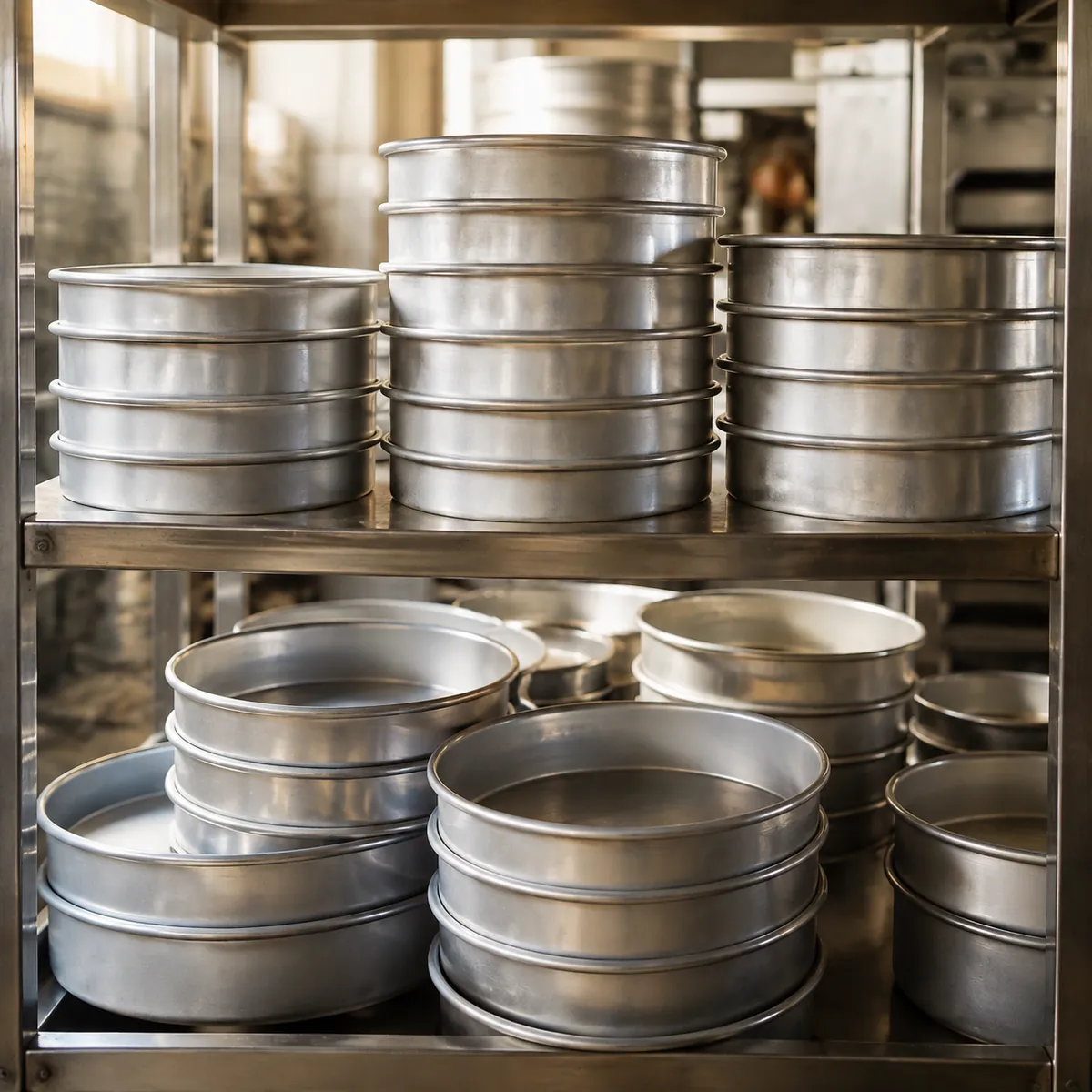
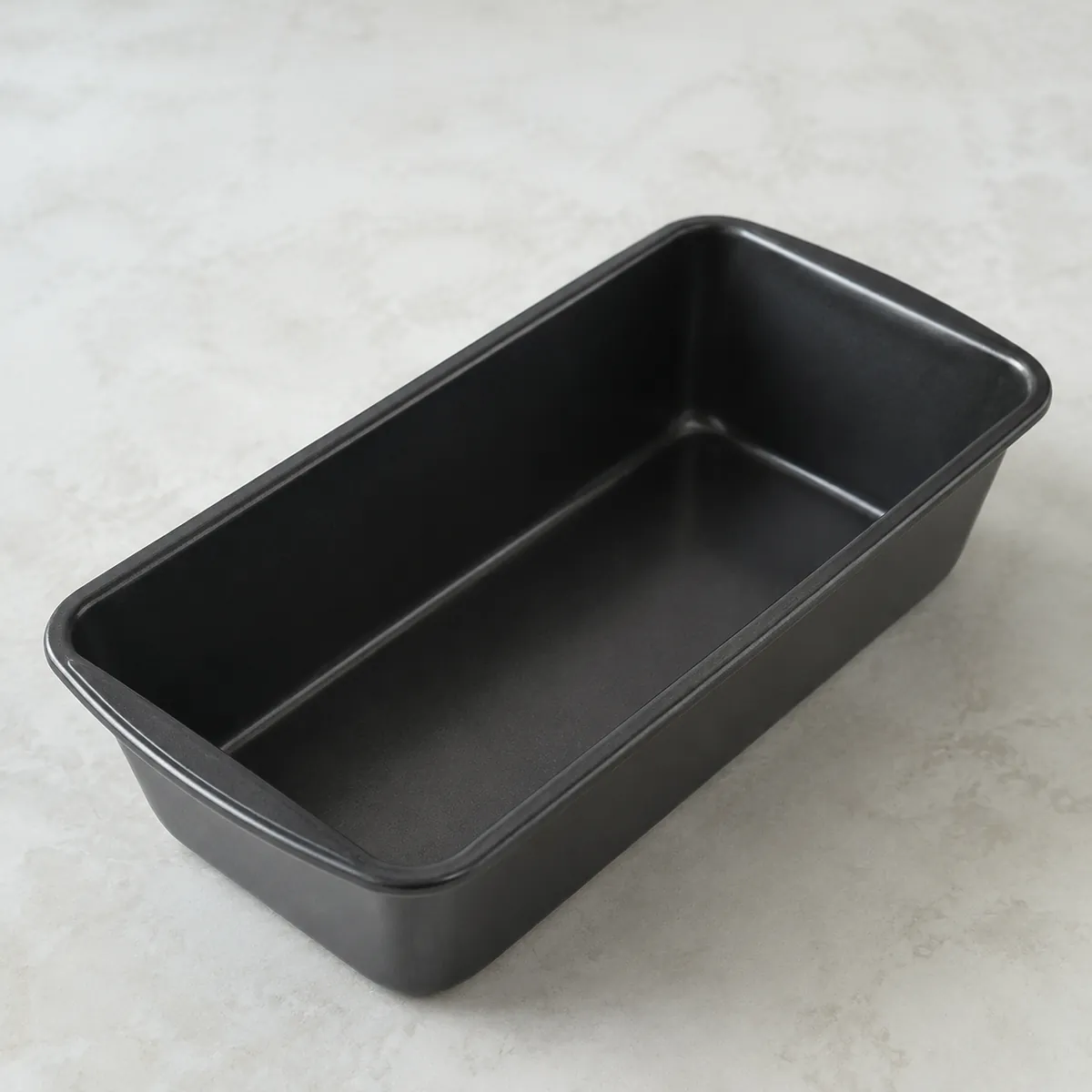
Before you commit to a bakeware manufacturer in China, verify the production lines that actually make your product: the stamping or forming line, the coating line, the ovens and the QC bench. A factory tour or video audit that checks these four areas tells you more than a certificate folder ever will. This guide explains what to look for on each line and how to structure a trial order that confirms the factory can deliver.
What to Check on a Bakeware Production Line
Bakeware manufacturing combines metal forming, surface treatment and finishing. Your checks should follow the same order as production, because a weakness in any stage shows up in the final product.
| Production stage | What to verify | Red flags |
|---|---|---|
| Stamping and forming | Press capacity, die condition, consistency of sheet thickness | Old dies, uneven rims, high scrap rates |
| Surface preparation | Cleaning and degreasing before coating | Skipped pre-treatment, visible residue on blanks |
| Coating line | Coating application method, number of layers, curing ovens | Hand spraying as the main method, no oven records |
| QC and testing | Inspection points, dimensional checks, coating adhesion tests | No recorded QC data, no retained samples |
Ask the factory to walk you through each stage on a video call, with the camera on the actual line rather than a showroom. A line that runs continuously for export orders looks different from a demonstration line set up for visitors.
Verifying a Non-Stick Coating Line
For coated bakeware, the coating line is the highest-risk stage. Ask about the coating system, the number of layers, the curing temperature and time, and how the factory verifies coating adhesion. Confirm whether the coating is PFOA-free if that matters for your market.
Request the coating supplier’s name and the material certificate for the batch that will be used for your order. A factory that uses a named coating system and can show batch certificates is easier to audit than one that describes its coating only as “good quality.”
How do I verify a coating line is suitable for non-stick bakeware?
Ask about the coating system, layer count, curing process and adhesion testing. Confirm the coating supplier and request the material certificate for the batch used in your order. On a video audit, watch the actual coating and curing steps, not a showroom sample.
Ovens, Curing and Temperature Control
Non-stick and silicone bakeware depend on controlled curing. For coated metal bakeware, the curing oven’s temperature profile determines whether the coating bonds correctly. For silicone bakeware, the curing time and temperature determine the final hardness and food-contact properties.
Ask the factory how it records oven temperature and how often it recalibrates the instruments. Recorded batch data with timestamps is a good sign; verbal assurances are not. If the factory cannot show temperature records, request a trial order and test the first batch’s coating performance yourself.
Curing records also matter for silicone bakeware. If the factory cannot show you the curing temperature and time used for the silicone compound in your product, ask for a sample from the actual batch and check its food-contact documents. A short curing cycle can leave the silicone soft or under-cured, which shows up as poor release performance and a shorter product life. The same principle applies to coated metal: an under-cured coating may look fine in the box but fail after a few uses, which is the worst outcome for a retail brand. Record the batch number from the sample packaging so you can trace the trial order back to the same curing records. A factory that keeps batch records and can explain its temperature control process in one conversation is demonstrating the discipline you need for a long-term supply relationship.
Documents to Request Before a Trial Order
Alongside the line audit, request these documents:
- Business license and export qualifications for the registered entity.
- Material declarations for the metal, coating or silicone used in your product.
- Food-contact test reports matching your destination market.
- Product specifications for the exact SKU, including dimensions and gauge.
- Inspection records or QC reports from a recent export order.
Use the documents to verify the factory, and use the trial order to verify the product. A document folder is easy to assemble; a consistent production line is not.
Trial Order Size and Acceptance Criteria
A trial order should be large enough to run on the real production line but small enough that a failure is affordable. Many buyers start with a quantity that covers one production run of the product, then set clear acceptance criteria: dimensions within tolerance, coating adhesion, oven performance, packaging quality and packing count. Define the criteria before the order, not after the shipment arrives.
Ask for the trial order to be produced on the same line and with the same coating batch that will be used for the bulk order. If the factory reserves a different line or material for small orders, the trial result will not predict the bulk order.
FAQ: Bakeware Manufacturer in China
What should I check on a bakeware production line?
Check the stamping or forming line, surface preparation, the coating line, curing ovens and the QC bench. Follow the same order as production and record what you see on a video audit so you can compare it on later visits.
How do I verify a coating line is suitable for non-stick bakeware?
Ask about the coating system, layer count, curing process and adhesion testing. Confirm the coating supplier and request the material certificate for the batch used in your order. Watch the actual coating and curing steps on a video audit.
Can I visit or video-audit a bakeware factory?
Yes. Most export-oriented factories arrange video audits, and many accept third-party audit services. Ask the factory to show the real production line, not a showroom, and to walk through the stages that make your specific product.
What documents should a bakeware manufacturer provide?
Request the business license, export qualifications, material declarations, food-contact test reports for your market, product specifications for your SKU, and recent QC or inspection records. Use documents to verify the factory and a trial order to verify the product.
How large should my trial order be?
Large enough to run on the real production line, small enough that a failure is affordable. Define acceptance criteria in writing before the order and ask that the trial run uses the same line and coating batch as the bulk order.
Final Recommendation
Audit the line before you trust the certificate folder. Verify the four production stages, request the document set, and confirm the trial order runs on the real line with clear acceptance criteria. A bakeware manufacturer that can show you a controlled process is worth more than one that shows you a clean showroom.
Review the bakeware product range for reference specifications, and compare options on the full product list before you draft the audit checklist. If you are shortlisting bakeware factories in China and want help structuring the audit and trial order, contact us with your target products and quantities. Request a quote or message us on WhatsApp — we will help you plan the factory verification.