OEM kitchenware minimum order quantities vary by category because the cost structure is different for each product. Aluminum pans, silicone molds, wooden boards and stainless steel items have different tooling, material batch sizes and labor content, so a MOQ that sounds high for one product is normal for another. This guide explains how minimums are calculated, what typical ranges look like, and which levers actually lower them.
How a Kitchenware MOQ Is Calculated
A factory sets a MOQ to cover the fixed costs of running an order: setting up the line, preparing material, tooling wear, printing and packaging plates, and the QC and paperwork effort. Below a certain quantity, the per-piece cost rises so much that the factory prefers to use the line for other orders.
Three cost blocks drive the minimum:
- Tooling and dies — stamped metal products need dies; silicone molds need mold tooling; wooden boards need cutting and sanding setups.
- Material batches — metal sheets, silicone compound and wood are bought in batch sizes, and leftover material is waste.
- Changeover and labor — every SKU change costs setup time, so factories prefer longer runs per SKU.
Understanding these blocks helps you negotiate. If you can reduce the factory’s fixed cost — by sharing a container, accepting standard colors, or combining several SKUs — the minimum can usually move.
Typical MOQ Ranges by Product Category
Ranges vary by factory, so treat these as orientation, not as fixed numbers:
| Category | What drives the minimum | Typical first-order range |
|---|---|---|
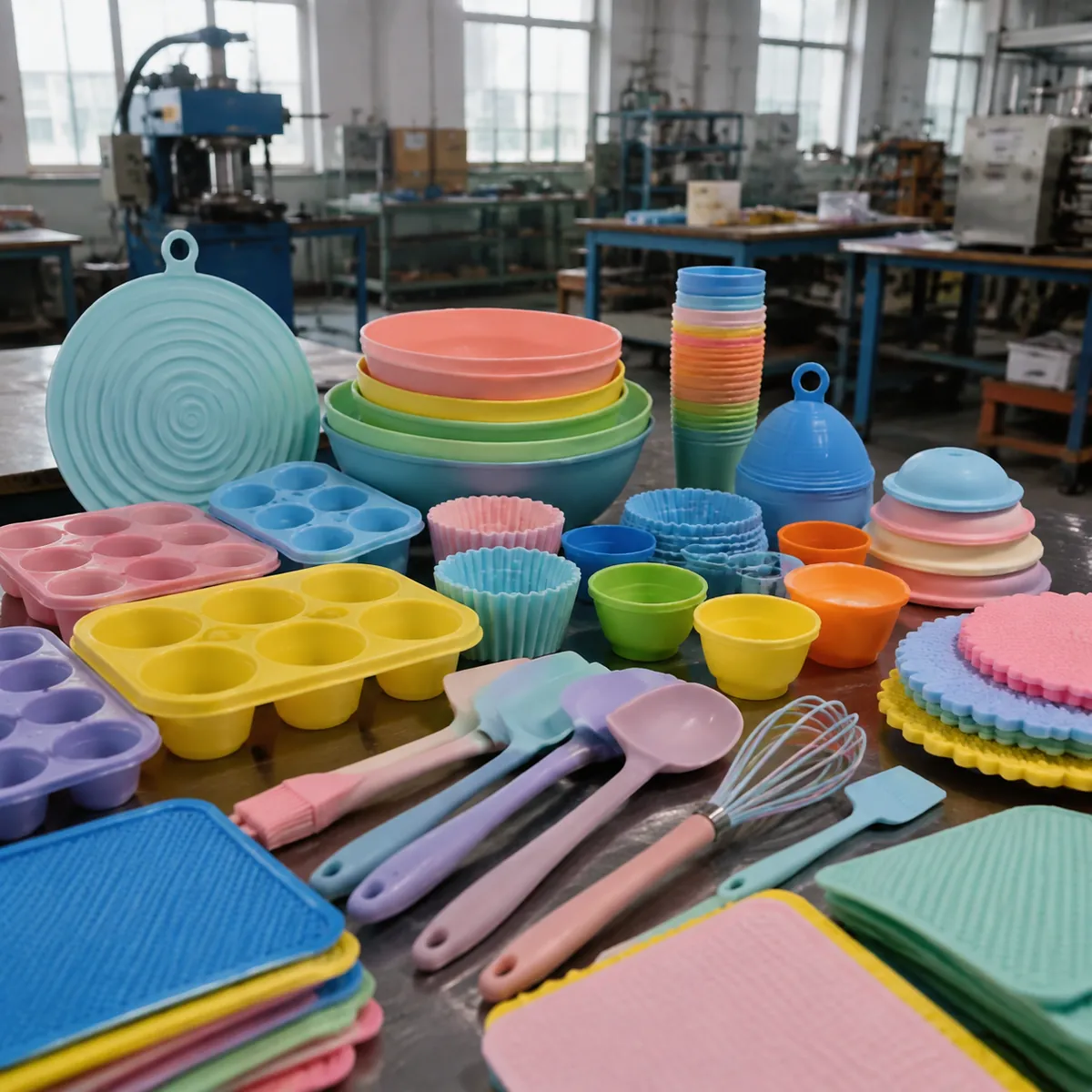
| Silicone molds and tools | Mold tooling per shape; silicone compound batches | Usually a few hundred to a few thousand pieces |
| Wooden boards | Wood batches, drying and machining setup | Usually several hundred to a few thousand pieces |
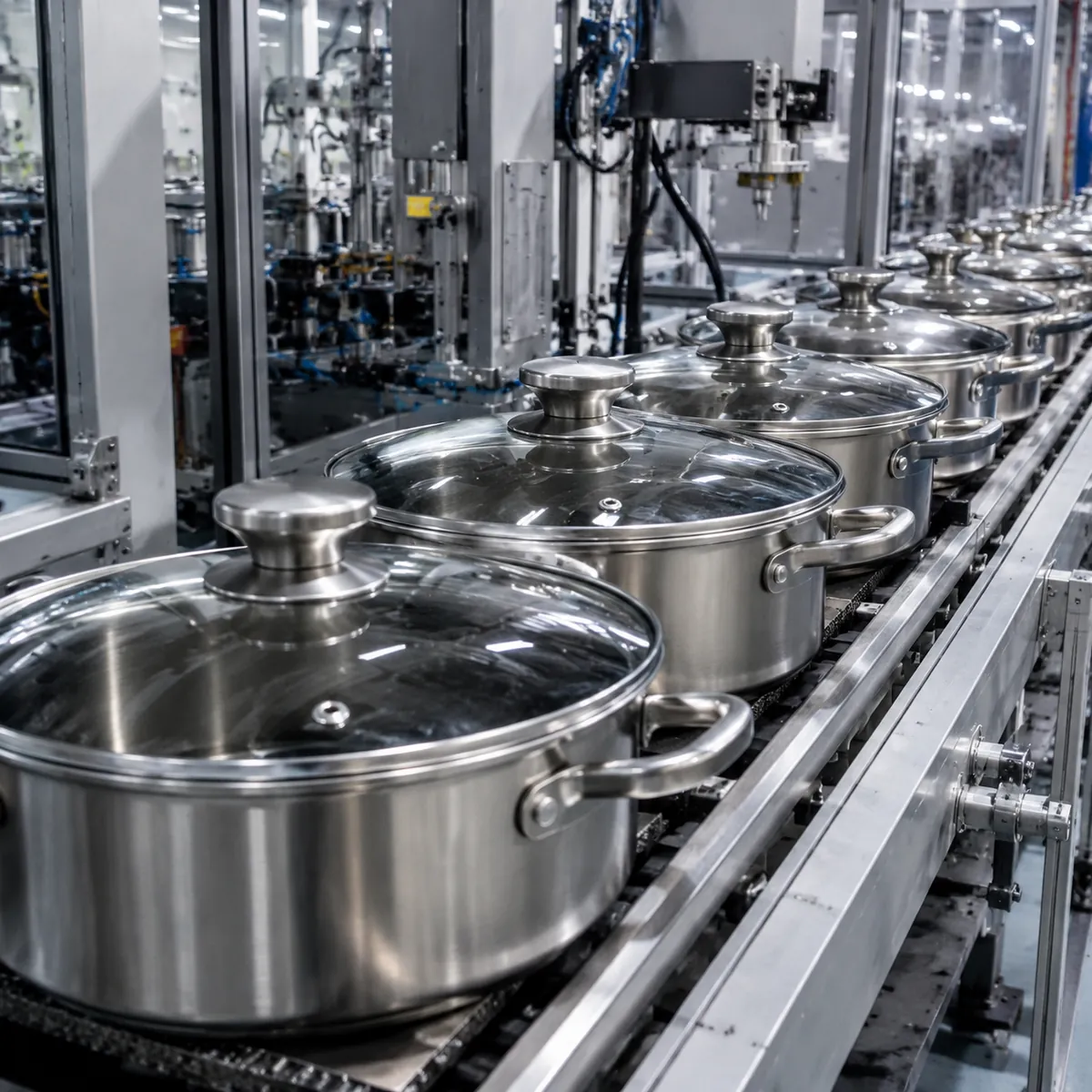
| Aluminum cookware | Die cost, coating line runs | Often a few thousand pieces per SKU |
| Stainless steel items | Stamping dies, polishing labor | Often a few thousand pieces per SKU |
| Cutlery and knife lines | Blade blanks, heat treatment batches, assembly | Often a few thousand pieces per model |
Ask for the MOQ per SKU and per colorway separately. A factory may quote a low per-SKU minimum, then add a minimum per color, which changes your cash requirement more than the headline number suggests.
What Actually Lowers a MOQ
These levers work more often than simply asking for a discount:
- Combine several SKUs into one order and one shipment, so the factory spreads setup across more volume.
- Accept standard colors and standard packaging instead of custom versions.
- Order a mix of fast-moving and slower-moving SKUs in the same container.
- Pay a sample or development fee so the factory covers its fixed cost on the trial run.
- Agree to a longer lead time, which lets the factory fit your order into line gaps.
A lower MOQ usually comes with a higher per-piece price, so compare total cost, not just the minimum. A 30% lower minimum at 10% higher unit price can still be the right trade for a first order.
Can I negotiate a lower MOQ on kitchenware?
Sometimes. Factories are more flexible when you combine SKUs, accept standard colors and packaging, pay a sampling or development fee, or accept a longer lead time. Ask for the small-order scenario explicitly instead of assuming the catalog MOQ is fixed.
When Packaging Has Its Own Minimum
Custom packaging is often quoted separately from the product MOQ. A printed carton, a blister card or a branded box has its own plate and printing minimum, which can be lower or higher than the product minimum depending on the format. Ask for the packaging MOQ in the same quotation as the product MOQ, and confirm whether the packaging minimum applies per SKU or across the order.
If the packaging minimum is the binding constraint, consider standard boxes with a branded sticker or label for the first order, then move to full custom print on reorders once the design is proven.
Also confirm whether the product and packaging minimums can be combined in one order. Some factories allow you to split a single order into several SKUs and packaging formats as long as the total volume reaches the combined minimum, which gives you more flexibility for a first test order.
When to Walk Away from a MOQ
A high MOQ is not automatically a bad deal. It is a problem when the minimum is so large that the first order exceeds your realistic sales forecast, because slow-moving stock ties up cash and storage. Calculate the months of stock the first order represents at your expected sell-through rate, and keep that number inside your comfort zone.
If a factory’s minimum only works at a scale you cannot reach, ask whether it has a distributor or trading partner that can consolidate your order with other buyers. That is a legitimate route for first orders, with the caveat that you are then dealing with a trader rather than the factory directly.
FAQ: OEM Kitchenware MOQ
Why do MOQs differ between kitchenware categories?
Because the cost structure differs. Silicone molds need shape tooling, wooden boards need dried wood batches, and metal cookware needs dies and coating runs. Products with higher fixed setup costs generally carry higher minimums.
What is a typical MOQ for cookware, silicone and wooden items?
As orientation: silicone molds and wooden boards often start in the hundreds to low thousands of pieces, while aluminum and stainless cookware often start in the low thousands per SKU. Confirm the ranges with each factory, because they vary by tooling and order mix.
Can I negotiate a lower MOQ?
Sometimes. Combining SKUs, accepting standard colors and packaging, paying a development or sampling fee, and accepting longer lead times are the levers that work most often. A lower minimum usually comes with a higher unit price, so compare total cost.
Does packaging have a separate MOQ?
Usually yes. Custom cartons, blisters and labels have their own printing minimums. Ask for the packaging MOQ in the same quote as the product MOQ and confirm whether it applies per SKU or across the order.
When should I walk away from a high MOQ?
When the first order would exceed your realistic sales forecast and tie up too much cash. Calculate the months of stock the minimum represents, and look for consolidation routes through a distributor only if the direct factory minimum is out of reach.
Final Recommendation
Treat the MOQ as part of the total cost picture, not as a single number to beat. Map the cost blocks behind the minimum, compare per-SKU and per-color terms, use the negotiation levers in order, and keep the first order inside your forecast. The same framework applies across kitchenware and adjacent categories such as drinkware, where mold and printing minimums behave similarly.
Browse the kitchenware product range and the full product list to see which categories match your volume. If you are planning a first OEM order and want help comparing MOQs and total landed cost, contact us with your target products and quantities. Request a quote or message us on WhatsApp — we will help you structure the order and the negotiation.