A first kitchenware wholesale order does not have to mean one product in one container. Most importers start with a mixed container: several SKUs from one or more factories, consolidated and shipped together. It spreads risk, tests the market and still keeps freight reasonable. The hard part is not finding products, it is planning the mix so every line earns its place in the container.
Start with the Shelf, Not the Factory
Before asking suppliers for prices, write down how the products will sit in your retail or catalog program: which category carries the margin, which one brings repeat purchases, and which one is a traffic driver. If you cannot explain why a SKU exists, it will probably be the first slow mover you discount later.
SKU Count and Depth
How many lines fit in a 20-foot container?
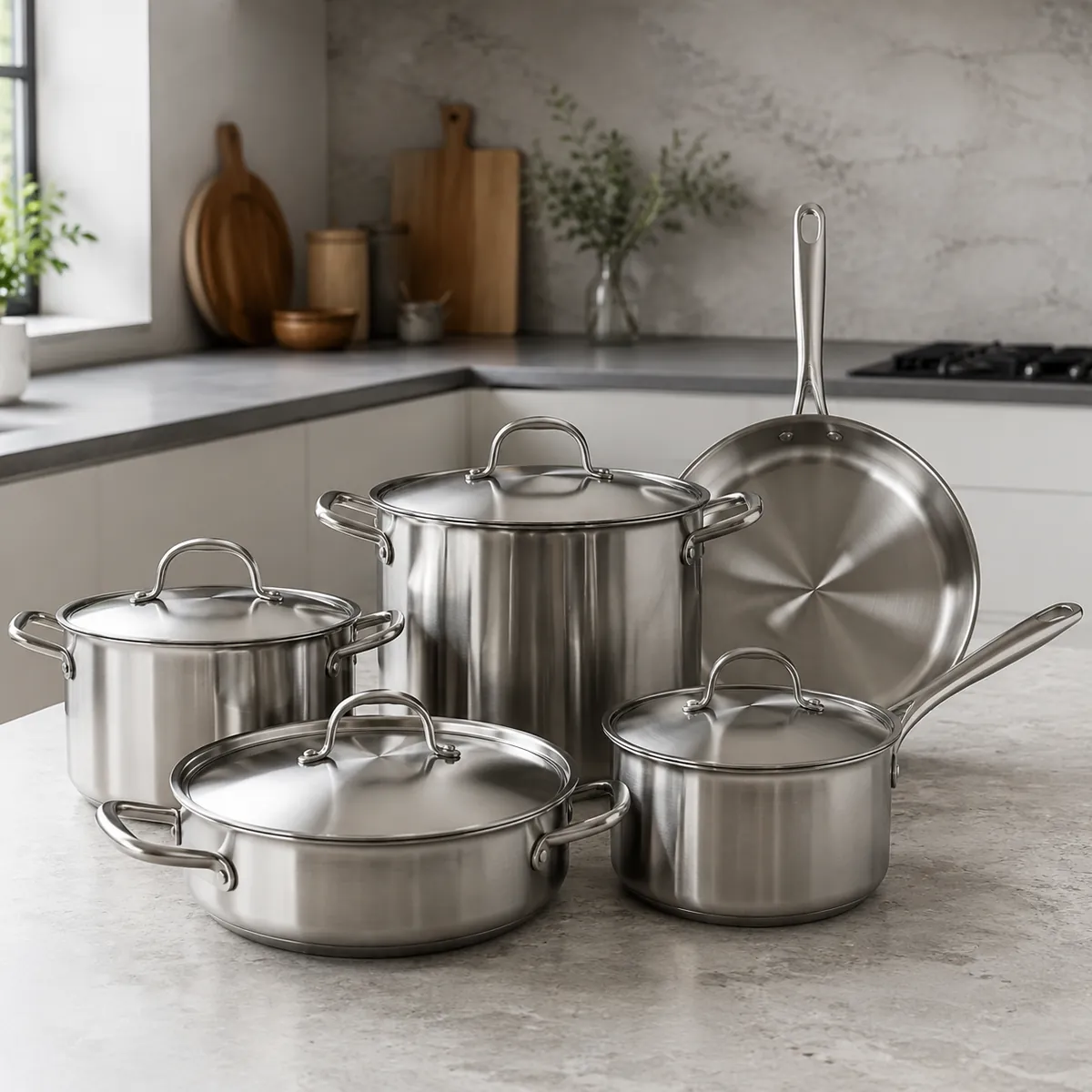
A 20-foot container holds roughly 26-28 cubic meters of cargo. Cookware sets, bowls and utensils are volume-heavy, so a mix of 20-40 SKUs is a realistic planning range. The exact number depends on box size, carton dimensions and how efficiently the factory packs them.
Depth beats breadth in round one
Suppliers price on quantity. A line that buys 2,000 pieces usually gets a better unit price than four lines of 500. For a first order, choose a smaller number of SKUs and give each one enough depth to earn a real wholesale price and survive a few months of sales.
MOQ Rules That Change the Mix
| Product type | Typical MOQ pattern | Planning tip |
|---|---|---|
| Stamped stainless or aluminum items | Often 500-1,000 pcs per SKU | Combine sizes into one order to negotiate |
| Non-stick cookware | Usually 1,000+ pcs per model | Confirm coating color and logo options early |
| Silicone molds and tools | Can start at 500-1,000 pcs | Custom colors may raise the minimum |
| Wooden boards and utensils | Depends on wood type and finish | Grade matters: ask about knots and grain selection |
These ranges are typical starting points, not guarantees. Every factory sets its own minimums, so use the table as a discussion tool, not a spec.
Packaging Decides Freight and Damage
Retail-ready packaging protects the product but eats container space. Bulk packing saves space but shifts repacking work to you. For a first order, ask for the carton dimensions and inner packing photos before you confirm, then calculate how many cartons fit per pallet and per container. A small change in carton size can change the whole freight picture.
Consolidation Options
If you use two factories, decide who consolidates. A freight forwarder can collect cargo from both factories and load the container at a consolidation warehouse. Check whether the forwarder or the factories arrange the domestic trucking, and make sure the packing list matches the container load before the vessel sails.
FAQ: Can one supplier handle a fully mixed container?
Some kitchenware suppliers carry a broad catalog and can mix cookware, bakeware, tableware and tools in one order. The advantage is one contact, one QC visit and simpler documentation. The risk is that breadth can hide shallow capability in specific categories, so ask which lines are made in-house and which are bought from other factories.
Protect the Margin with a Landed-Cost Check
Build a simple spreadsheet before you sign: FOB value, freight, insurance, duty, port and trucking, inspection, and a buffer for damage. Divide by sellable units, then compare with the shelf price you plan to charge. If the number only works with perfect execution, the line is too risky for round one.
Mixed Container Planning Checklist
Before you request quotes, work through this checklist:
- List every SKU with target quantity and carton size before asking for prices
- Confirm MOQ per SKU and whether sizes or colors can share a minimum
- Compare FOB and landed cost per SKU in one spreadsheet
- Verify carton dimensions for pallet and container planning
- Agree on the QC and consolidation point before the vessel is booked
A mixed container is also a test of the supplier relationship. The factory that handles a first mixed order well, with clear packing lists and honest communication about delays, is usually the one worth growing with. If the first order brings surprises, that information is as valuable as the products inside the container.
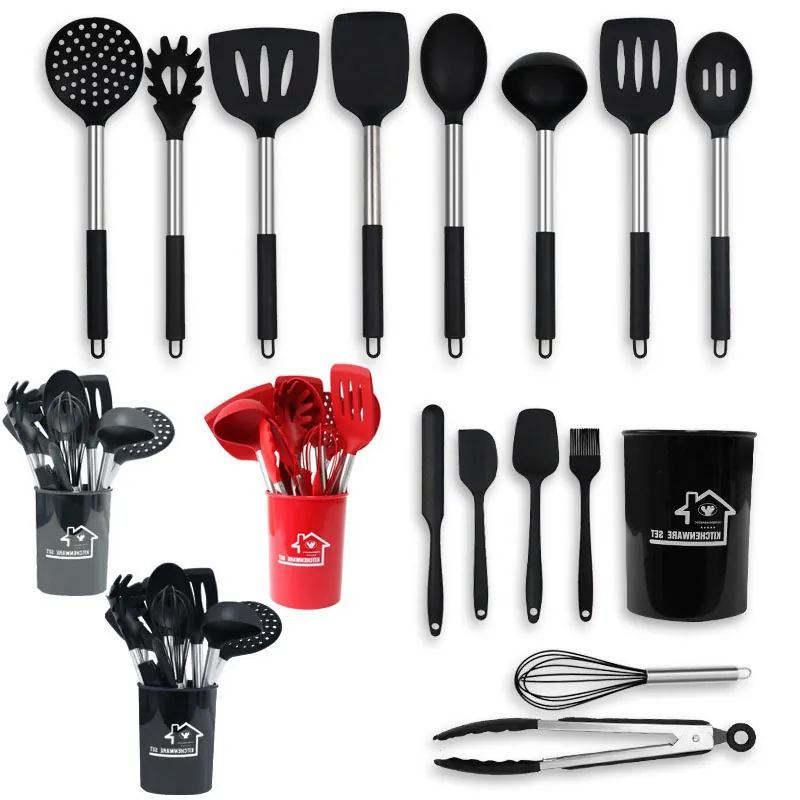
For more sourcing context, browse our kitchenware products and products collections.
One more practical point: prices, lead times and material grades should always be confirmed with the supplier in writing before an order is placed. Market conditions change, and a written confirmation protects both sides when the container finally ships.
For buyers comparing several suppliers, keep one specification sheet per factory and update it after every call. A shared document makes it easier to compare quotes and harder for details to get lost between emails.
If this is your first import order, leave extra time in the schedule for samples and approvals. Most delays happen at the sample stage, not on the production line, because both sides are still aligning on what “final” means.
Shipping terms matter as much as the unit price. Confirm whether the quote is FOB, CIF or EXW, and check who handles inland trucking, export documents and inspection before the container is booked.
Finally, keep a record of every approval: artwork, sample photos, packing instructions and payment terms. When the second order comes, that record becomes the fastest way to get an accurate quote.
One more practical point: prices, lead times and material grades should always be confirmed with the supplier in writing before an order is placed. Market conditions change, and a written confirmation protects both sides when the container finally ships.
For buyers comparing several suppliers, keep one specification sheet per factory and update it after every call. A shared document makes it easier to compare quotes and harder for details to get lost between emails.
Frequently Asked Questions
How many SKUs should a first mixed container order have?
There is no universal number, but 20-40 SKUs is a common range for a 20-foot container if each line meets the supplier’s MOQ. Fewer, deeper lines usually give better pricing and fewer quality surprises than many tiny lines.
What is a realistic MOQ for a mixed kitchenware container?
It depends on the factory and the item. Stamped or simple products may allow 500-1,000 pieces per SKU, while custom printed or molded items often start higher. Confirm MOQ per SKU and ask whether different colors or sizes can share one MOQ.
Should I use one factory or several for a mixed container?
One factory simplifies communication and QC, but most suppliers do not produce every category well. A common pattern is one main supplier for the core line plus one or two specialists, with your own consolidation for the container.
How do I calculate the landed cost of a mixed container?
Start with the FOB value, add ocean freight, insurance, duties, port handling, trucking and any inspection cost, then divide by the number of units. Leave room for damaged or rejected goods and exchange-rate movement.
Planning a kitchenware order? Send us your product list or target specs and get a sourcing quote. We work with importers, retailers and brands on OEM and wholesale programs.