When two frying pan manufacturers quote the same 26 cm non-stick pan, one at $3.80 and one at $5.40, the difference is rarely “the second one is overcharging”. It is usually specification. The cheaper pan may use a thinner aluminum base, a single coating pass, a hollow handle and basic bulk packing. Understanding what is inside a frying pan price lets you compare quotes fairly and negotiate on facts instead of feelings.
The Main Cost Drivers in a Frying Pan
| Component | What affects the price | Questions to ask |
|---|---|---|
| Base material | Aluminum vs stainless, gauge thickness | What is the base thickness in mm? |
| Coating system | Number of layers, brand, ceramic vs PTFE | How many coating layers? Which coating system? |
| Handle | Riveted vs welded, bakelite vs stainless vs wood | Is the handle riveted or welded? Oven-safe rating? |
| Induction base | Added stainless disc for induction cooking | Is an induction plate included? |
| Packaging | Bulk carton vs retail box, labels, inserts | What packing does the price include? |
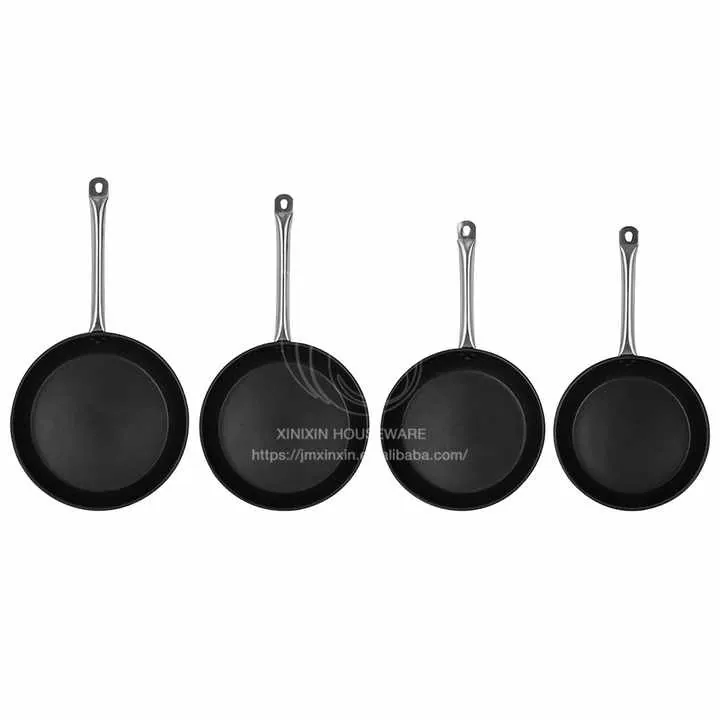
Material Gauge: The Thickness Test
Base thickness is one of the first numbers to compare. A pan with a 2.3 mm base costs more than a 1.8 mm version because it uses more aluminum and more pressing time. Thicker bases heat more evenly and resist warping, which is why retail programs usually accept the cost. Ask for the gauge in millimeters and check it on the sample with calipers if you can.
Coating: Where Quality and Price Meet
Layer count and coating brand
Non-stick performance depends on the number of layers and the coating system used. Two-layer and three-layer systems cost more but generally last longer. The coating brand also matters; premium systems carry higher material cost. If a price looks surprisingly low, the coating is one of the first places to look.
Ceramic vs PTFE
Ceramic-coated pans appeal to markets that avoid PTFE, but ceramic coating systems have their own cost and durability profile. The right choice depends on your retail story and expected selling price, not only the factory quote.
Handles, Rivets and Assembly Labor
Riveted handles add labor and hardware cost but are preferred for heavier pans. Welded handles are cleaner but need specific equipment. Bakelite handles are common and cost-effective; stainless or wood handles raise the price and change the product’s shelf look. Every handle choice changes the quote, so keep the specification sheet aligned.
Induction Compatibility Adds a Component
If your market cooks on induction, the pan usually needs a stainless steel disc bonded to the base. That component is a separate cost line. A quote that says “induction compatible” should specify whether the induction plate is included or optional.
FAQ: How do I compare frying pan quotes fairly?
Build a comparison table with one column per quote and rows for base gauge, coating layers, coating brand, handle type, induction plate, packaging and QC terms. Only after the specifications match should you compare prices. A lower price with thinner specifications is not a saving.
Use the Breakdown in Your Next RFQ
Send the manufacturer a specification sheet with each component listed, and ask them to confirm what the price includes. You will get answers that are easier to compare, and suppliers will notice that you evaluate quotes on specification, which usually produces better offers in the long run.
Quote Comparison Checklist
When comparing frying pan quotes, line up these fields side by side:
- Compare base gauge in millimeters, not pan size alone
- Count the coating layers and confirm the coating system brand
- Check the handle attachment (riveted or welded) and handle material
- Confirm whether the induction plate is included in the price
- Verify what packaging the quote covers (bulk carton or retail box)
The price breakdown also explains why quotes sometimes change after sampling. A factory that priced a standard pan may adjust the offer when the sample reveals a thicker base or a different handle requirement. Ask suppliers to confirm which specification the quote is based on, and keep that specification attached to every price conversation.
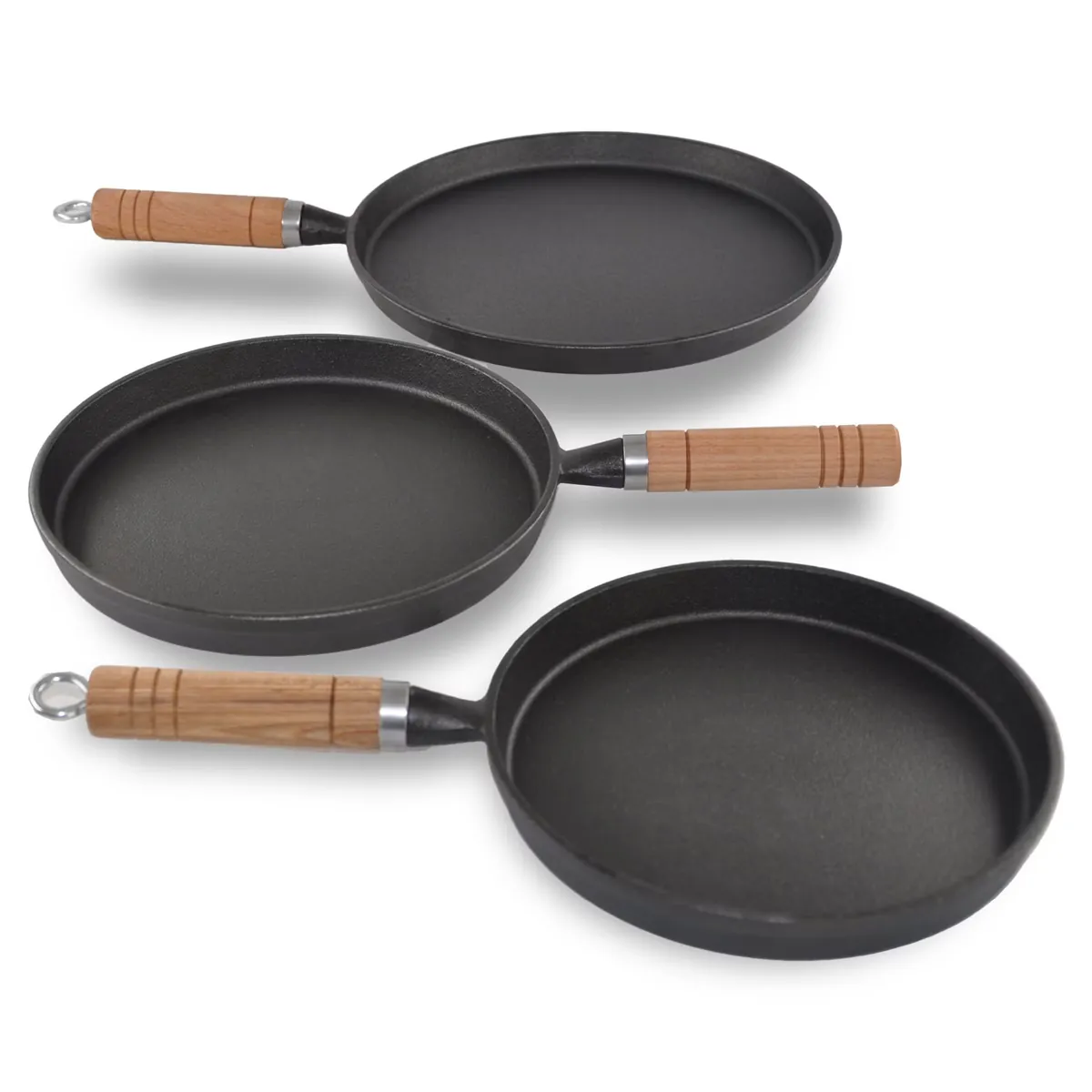
For more sourcing context, browse our cookware products and products collections.
One more practical point: prices, lead times and material grades should always be confirmed with the supplier in writing before an order is placed. Market conditions change, and a written confirmation protects both sides when the container finally ships.
For buyers comparing several suppliers, keep one specification sheet per factory and update it after every call. A shared document makes it easier to compare quotes and harder for details to get lost between emails.
If this is your first import order, leave extra time in the schedule for samples and approvals. Most delays happen at the sample stage, not on the production line, because both sides are still aligning on what “final” means.
Shipping terms matter as much as the unit price. Confirm whether the quote is FOB, CIF or EXW, and check who handles inland trucking, export documents and inspection before the container is booked.
Finally, keep a record of every approval: artwork, sample photos, packing instructions and payment terms. When the second order comes, that record becomes the fastest way to get an accurate quote.
One more practical point: prices, lead times and material grades should always be confirmed with the supplier in writing before an order is placed. Market conditions change, and a written confirmation protects both sides when the container finally ships.
For buyers comparing several suppliers, keep one specification sheet per factory and update it after every call. A shared document makes it easier to compare quotes and harder for details to get lost between emails.
Frequently Asked Questions
Why do two frying pan quotes for the same size differ so much?
The visible size can be identical while the material gauge, coating layers, handle construction and packaging differ. A thicker base, a two-layer coating system or a riveted handle adds real cost. Ask for the specification sheet line by line instead of comparing only the unit price.
What is the biggest cost driver in a frying pan?
For non-stick pans, the coating system and the aluminum or stainless base are usually the largest material costs. Gauge thickness and coating quality often explain a large share of the price gap between quotes.
Should I always take the cheapest frying pan quote?
No. The cheapest quote usually means a thinner base, a lighter coating or fewer QC steps. If your market returns damaged or peeling pans, the total cost is higher than the invoice. Compare specifications, then price.
How much does custom branding add to a frying pan order?
Custom logo printing or embossing on the base, plus custom retail packaging, adds tooling or plate costs and can affect MOQ. Simple laser or base-stamp logos are usually cheaper than printed retail boxes with multiple colors.
Planning a kitchenware order? Send us your product list or target specs and get a sourcing quote. We work with importers, retailers and brands on OEM and wholesale programs.