Stainless steel cookware is sold on two things: how it cooks and how it looks in the box. The cooking side comes from material and construction. The retail side comes from the surface finish, the packaging and the presentation. When you buy stainless steel cookware wholesale, the finish you choose decides whether the set looks premium on a shelf or ordinary, and whether your customers send it back because of fingerprints.
Surface Finishes You Will Meet
| Finish | Look | Retail fit |
|---|---|---|
| Brushed / satin | Linear texture, matte | Most common; hides marks well |
| Mirror polish | Reflective, shiny | Premium look; shows fingerprints |
| PVD color | Gold, bronze, black tone | Fashion-driven ranges; confirm durability |
| Hammered / textured | Patterned exterior | Design-led programs, often higher cost |
The table is a starting point for your assortment conversation, not a guarantee of what every factory offers. Confirm finish availability and cost per SKU with the supplier.
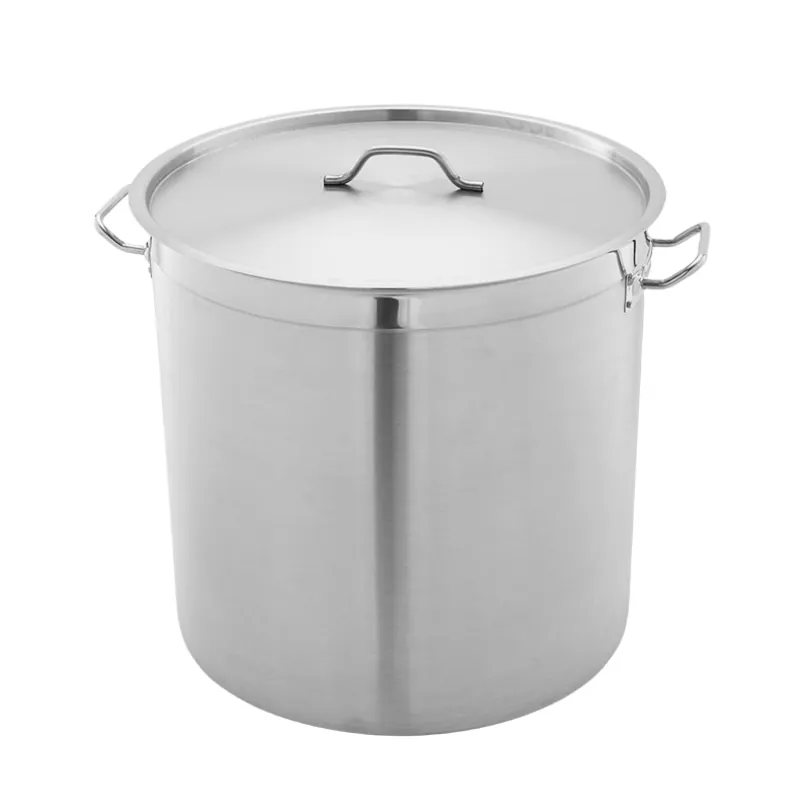
How Finish Affects Your Program
Brushed: the safe default
Brushed stainless hides the daily marks that retail customers notice, which reduces after-sale complaints and keeps displays looking clean. It is the mainstream choice for cookware sets in most markets.
Mirror: premium but demanding
Mirror-polished cookware photographs beautifully and supports a higher price point. In stores, however, every fingerprint shows. If you choose mirror, plan display gloves or protective film for shelf units.
PVD: the fashion option
PVD (physical vapor deposition) adds a colored layer to the exterior. It gives a distinct shelf presence, especially for gift programs. Ask the supplier about scratch and dishwasher behavior, because expectations vary by market.
Beyond the Finish: Construction Signals
Buyers sometimes focus on the finish and forget the base. Look at the encapsulated base (aluminum core visible on the outside), the rim finish (rolled rims are smoother and easier to clean) and the handle attachment. These details show up in the first week of use, long after the shelf photo is forgotten.
Retail Packaging and Presentation
For cookware sets, inner protection prevents scratches between pieces during transit. Confirm whether the set uses fabric or foam separators, and ask for photos of the inner packing. The outer retail box carries the brand story, so check print quality and color consistency on the sample, and make sure the box size matches your shelf plan.
FAQ: Should I order sets or open stock for a first wholesale program?
Sets give a higher average order value and are easier to present, but open stock (individual pots and pans) gives customers flexibility and reduces returns when one piece fails. Many wholesalers start with 2-3 sets and a small open-stock range, then adjust with sell-through data.
Sample Checklist Before You Commit
On the pre-production sample, check the finish under direct light, wipe the surface to see how marks behave, feel the rims and edges, test the lid fit and confirm the base sits flat. Take photos and compare them with the approved artwork. The sample is your last chance to fix presentation problems before the container ships.
Finish and Packaging Checklist
Use this list when you evaluate stainless cookware samples:
- Choose the finish (brushed, mirror or PVD) based on your retail image and price point
- Confirm finish availability and any extra cost per SKU
- Request photos of the inner packing: separators, foam or protective film
- Check retail box print quality and dimensions against your shelf plan
- Test surface behavior (fingerprints and water marks) on the pre-production sample
Presentation also continues after the container arrives. Stainless steel items that ship with protective film or proper separators arrive looking new, which reduces claims and keeps retail customers satisfied. Ask the supplier to show the packaging plan for the actual carton size before you confirm the order.
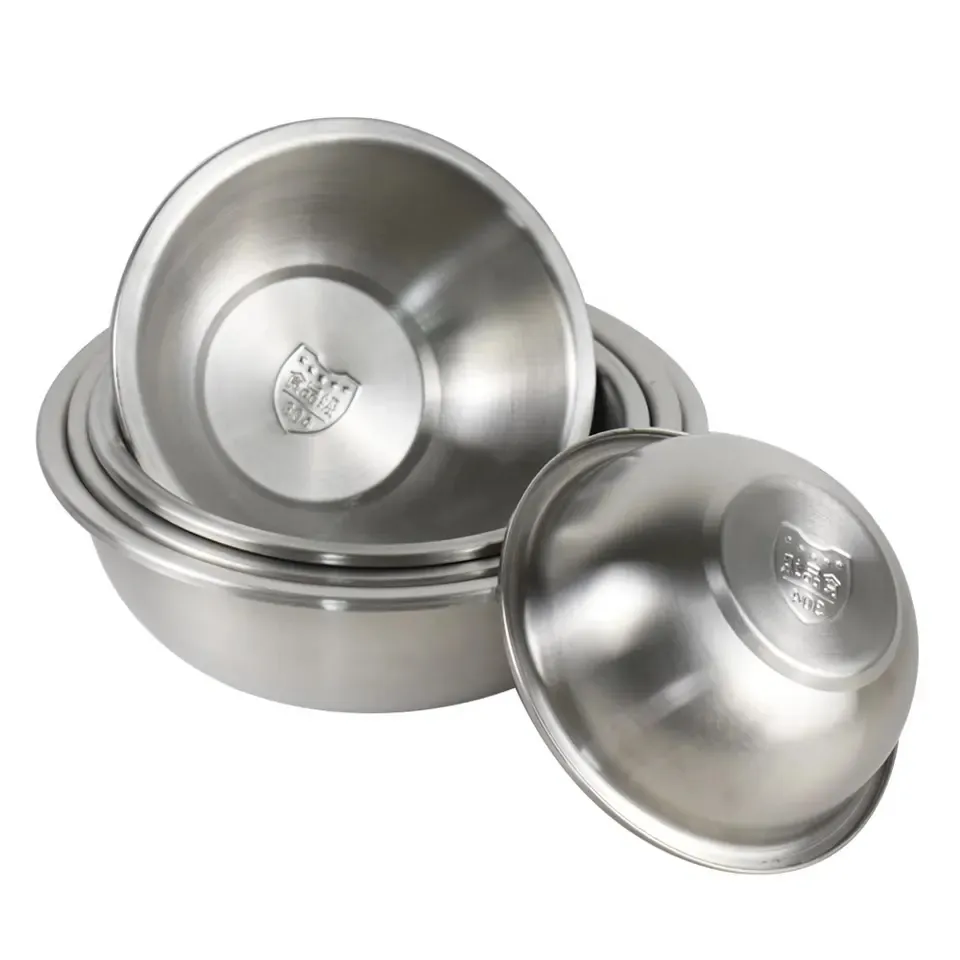
For more sourcing context, browse our stainless steel products and cookware products collections.
One more practical point: prices, lead times and material grades should always be confirmed with the supplier in writing before an order is placed. Market conditions change, and a written confirmation protects both sides when the container finally ships.
For buyers comparing several suppliers, keep one specification sheet per factory and update it after every call. A shared document makes it easier to compare quotes and harder for details to get lost between emails.
If this is your first import order, leave extra time in the schedule for samples and approvals. Most delays happen at the sample stage, not on the production line, because both sides are still aligning on what “final” means.
Shipping terms matter as much as the unit price. Confirm whether the quote is FOB, CIF or EXW, and check who handles inland trucking, export documents and inspection before the container is booked.
Shipping terms matter as much as the unit price. Confirm whether the quote is FOB, CIF or EXW, and check who handles inland trucking, export documents and inspection before the container is booked.
Finally, keep a record of every approval: artwork, sample photos, packing instructions and payment terms. When the second order comes, that record becomes the fastest way to get an accurate quote.
One more practical point: prices, lead times and material grades should always be confirmed with the supplier in writing before an order is placed. Market conditions change, and a written confirmation protects both sides when the container finally ships.
For buyers comparing several suppliers, keep one specification sheet per factory and update it after every call. A shared document makes it easier to compare quotes and harder for details to get lost between emails.
If this is your first import order, leave extra time in the schedule for samples and approvals. Most delays happen at the sample stage, not on the production line, because both sides are still aligning on what “final” means.
Frequently Asked Questions
Which stainless steel cookware finish sells best at retail?
Brushed or satin finishes are the most common because they hide fingerprints and water marks better than mirror polish. Mirror finishes look premium but show smudges. The best choice depends on your retail image and price point.
Does a PVD finish change the cookware performance?
PVD is a decorative surface treatment on the exterior. It changes appearance, not the cooking performance of the pan itself. Confirm the coating’s durability with the supplier, especially if the pans go through dishwashers.
What packaging is standard for stainless cookware sets?
Retail sets usually ship with inner protection (fabric or foam separators), a color retail box and outer cartons. Bulk packing reduces cost but increases damage risk and moves repacking work to you. Ask for photos of the actual inner packing before confirming.
How do I check finish quality on a sample?
Look at the surface under direct light for scratches, inconsistent brushing direction and fingerprints that cannot be wiped off. Run your hand over edges for burrs, and check that the lid rims and handles are aligned. A finish problem on the sample usually means a bigger problem in bulk.
Planning a kitchenware order? Send us your product list or target specs and get a sourcing quote. We work with importers, retailers and brands on OEM and wholesale programs.