Central Asia kitchenware importers usually build their first orders around a few proven categories: stainless steel cookware, non-stick pans, tableware for hotels and restaurants, and drinkware that matches strong tea culture. The region is not one single market — Kazakhstan, Uzbekistan, Kyrgyzstan, Tajikistan and Turkmenistan differ in income levels, import rules and retail channels — but the product mix that sells across all of them is more predictable than many new buyers expect.
If you are planning a container for this region, the practical question is not “what is trending globally” but “what survives the journey, fits the customs paperwork and matches how households actually cook here.” This guide walks through the categories importers order most, the documentation you should prepare, and the supplier checks that matter before you commit.
Why Central Asia works as a kitchenware destination
Central Asian countries sit close to large producing provinces in China, so freight by rail and truck is shorter and often cheaper than sea routes to Europe or North America. Kazakhstan and Kyrgyzstan are members of the Eurasian Economic Union (EAEU), which means goods cleared in one member state usually move through the others with fewer repeat checks. Uzbekistan has been opening its import channels and modernizing its retail sector in recent years, which has pushed demand for branded and semi-branded kitchenware in supermarkets and home-goods chains.
Demand patterns are tied to local cooking. Plov (a rice and meat dish) is prepared in large pans and kettles, so big-diameter woks and deep frying pans are regular sellers. Stews and soups call for heavy-bottomed pots. Bread is baked at home and in small bakeries, so baking trays and non-stick bakeware have a real market. And tea is served constantly — from homes to offices to restaurants — which makes glassware, teapots, cups and stainless steel trays dependable repeat categories.
| Category | Why it sells | Typical buyer notes |
|---|---|---|
| Stainless steel cookware sets | Durable, fits daily cooking, easy to clean | Mid-range sets with glass lids usually move faster than premium lines |
| Non-stick frying pans and woks | Plov and frying require large diameters | 28–40 cm pans, sturdy handles, confirm coating documentation |
| Tableware for HoReCa | Hotels and restaurants are modernizing | Melamine, stoneware and porcelain in stackable designs |
| Drinkware and tea service | Tea culture across all five markets | Glass cups, teapots, stainless trays, insulated bottles |
| Baking trays and bakeware | Home and small bakery baking | Carbon steel and aluminum trays in standard sizes |
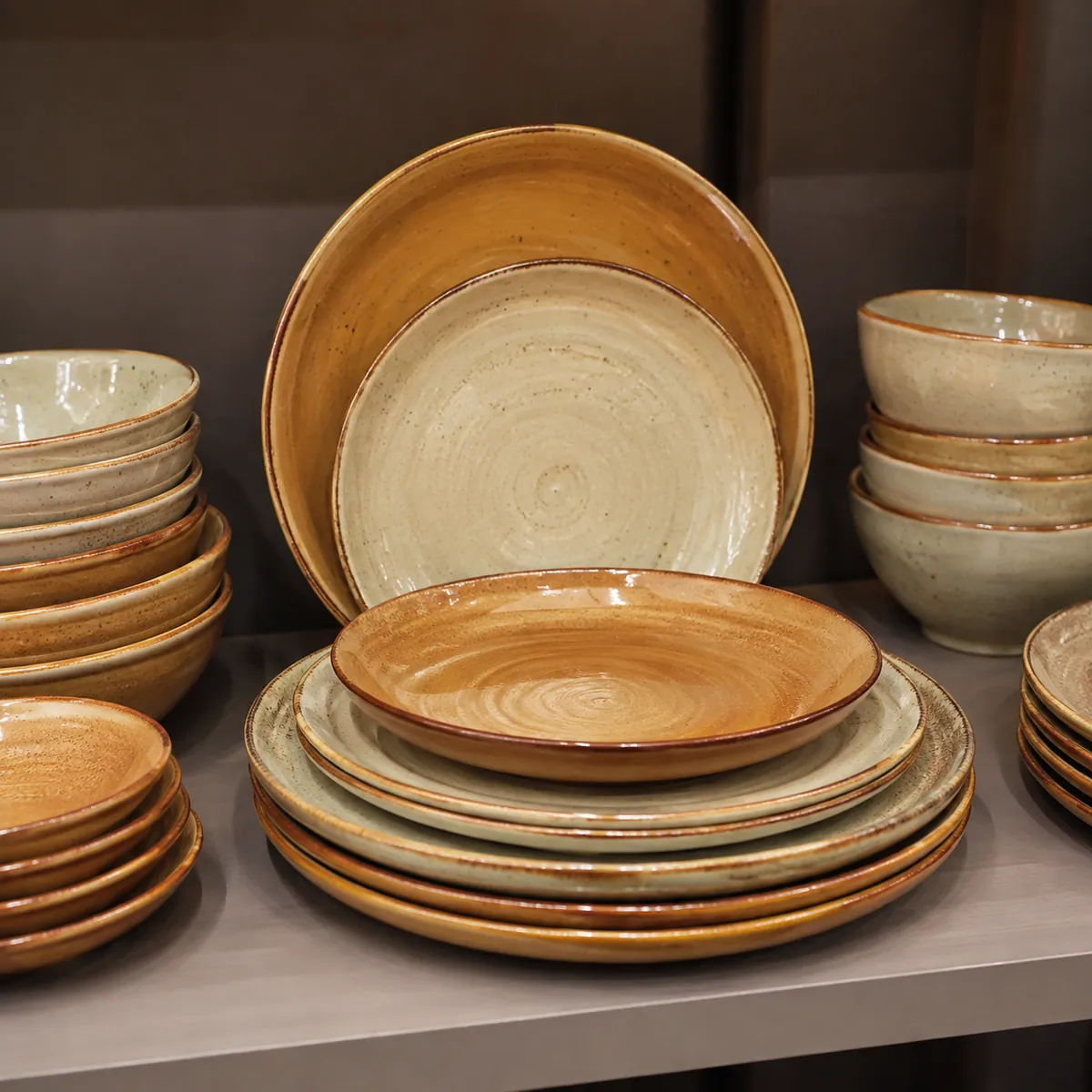
Entry channels matter for product selection. Supermarkets and home-goods chains in the region tend to buy mid-range sets with reliable packaging, while traditional bazaar and market retailers favor lower-priced single items that move fast. Hotel and restaurant suppliers look for stackable, durable tableware and larger cookware volumes. If your plan includes more than one channel, a mixed container with a few price tiers is usually a better first move than betting on one product at one price point.
What to check before ordering for this region
Price is important, but importers in Central Asia fail on documentation more often than on product quality. Three areas deserve your attention before you sign anything.
Food-contact compliance and certificates
EAEU member states apply technical regulations for products that touch food. For cookware and tableware, buyers usually ask suppliers for food-grade test reports and, where relevant, certificates issued to EAEU requirements. The exact document list can change with the product category and the importing country, so treat “LFGB or FDA report covers everything” with caution — confirm the required documents with your customs broker or local agent before ordering.
Packaging and labelling
Retail packaging often needs to carry information in Russian or the local language: product name, material, manufacturer, country of origin, care instructions and sometimes a barcode registered locally. Suppliers that already export to Russia or Kazakhstan usually know these label conventions. If your supplier has never shipped to the region, budget extra time for label approval before production.
Payment and logistics routes
Rail freight from major Chinese inland hubs to Almaty or Tashkent is a standard option, and trucking works for smaller volumes. Payment terms vary; many first-time buyers start with 30% deposit and balance against shipping documents, but the exact terms depend on the supplier relationship. Ask for a full quote with the incoterm you plan to use — FOB, CIF or DAP — because the difference can be larger than the freight line alone.
Can I combine small volumes of many products in one order?
Yes, and it is common for this region. Mixed containers let you test several categories with lower risk. Ask the supplier for a consolidated quotation and confirm minimums per SKU, because some factories set per-item minimums even when the total container volume is comfortable.
Supplier checks that protect your first order
The supplier selection process for Central Asia is the same as for any export market, but two checks matter more here. First, verify that the factory has shipped to EAEU or nearby markets before — that experience shortens label and certificate work dramatically. Second, check the packaging plan for rail or truck transit: cartons that survive sea freight usually survive overland, but palletization and stacking strength are worth confirming for long rail journeys.
A shortlist of documents to request from any shortlisted supplier: business license, export history or trade references, food-grade test reports for the products you plan to buy, sample photos or physical samples, a price list with validity dates, and a written lead time. Keep these in one folder — you will need most of them again at customs.
What products fit the market best
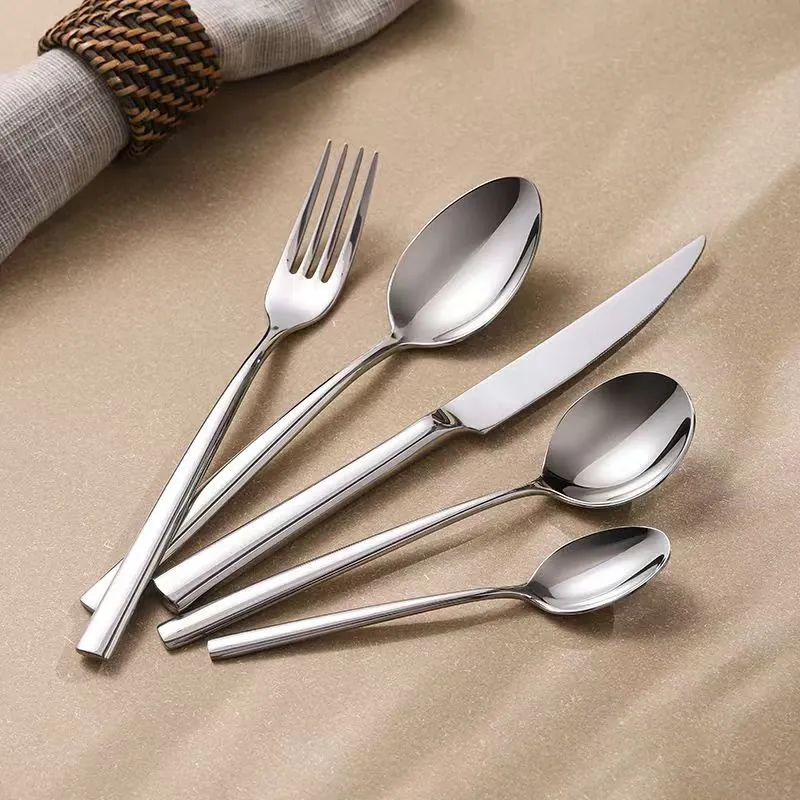
If you want one takeaway from this overview: start with stainless steel cookware and non-stick frying pans, add tableware if you have hotel or restaurant contacts, and treat drinkware as a low-risk complement — drinkware specialists like Frozl supply tea service and barware lines that sit well beside cookware in a mixed order. These categories match daily cooking, have clear quality differences buyers can see, and are easy to explain to local retail partners. You can explore the full range on the kitchenware products page and the tableware products page to shortlist items for a mixed container.
FAQ
Do Central Asia importers prefer Chinese kitchenware brands or private label?
Most importers buy unbranded or private-label products and build their own brand locally. Branded import is possible but usually comes with stricter packaging and label requirements, so private label is the more common starting point.
Which kitchenware product is easiest to start with?
Stainless steel cookware and non-stick frying pans are the easiest to start with because demand is steady, quality differences are visible to retail buyers, and suppliers offer many stock sizes and finishes.
Do I need certificates for every product in a mixed container?
Not necessarily for every SKU, but food-contact products usually need test reports, and the required documents can vary by country and category. Confirm the list with your customs broker before production, not after shipment.
Before you build your first order, send your product shortlist to the supplier and ask for a mixed-container quotation with lead times. Request a quote on the contact page — the team there can also confirm label and documentation requirements for your target market.