When a factory quotes an OEM kitchenware MOQ of 3,000 pieces, buyers usually hear one number — but that number is really a bundle of costs: tooling and molds, custom packaging plates, production changeovers, color runs and QC setup. Understanding what the MOQ pays for is the difference between negotiating blindly and negotiating with a map. Once you see the components, you can usually find one or two that you can shrink or remove.
This guide breaks down what an OEM kitchenware MOQ actually covers and gives you practical ways to lower the minimum without asking the factory to lose money.
What the MOQ number bundles together
Factories do not set MOQs to annoy buyers; they set them to cover the fixed costs of running a custom order. When you request OEM production — your colors, your logo, your packaging — several costs appear that do not exist in a stock-item order.
| Cost component | What it covers | How it scales |
|---|---|---|
| Tooling and molds | Molds for custom shapes, stamping dies, coating fixtures | Fixed per product; often amortized into the unit price |
| Packaging plates and artwork | Printing plates for custom cartons and labels | Fixed per design; reprintable for reorders |
| Production changeover | Time to stop one line and set up your SKU | Fixed per production run |
| Color and finish setup | Coating color mixing, finish trials, material setup | Fixed per run; larger runs amortize it |
| QC and documentation | Inspection time, test reports, export paperwork | Partly fixed, partly per unit |
Notice the pattern: most of the cost is fixed, not per-unit. That is why factories quote a minimum — below that volume, the fixed cost makes the unit price unattractive or impossible.
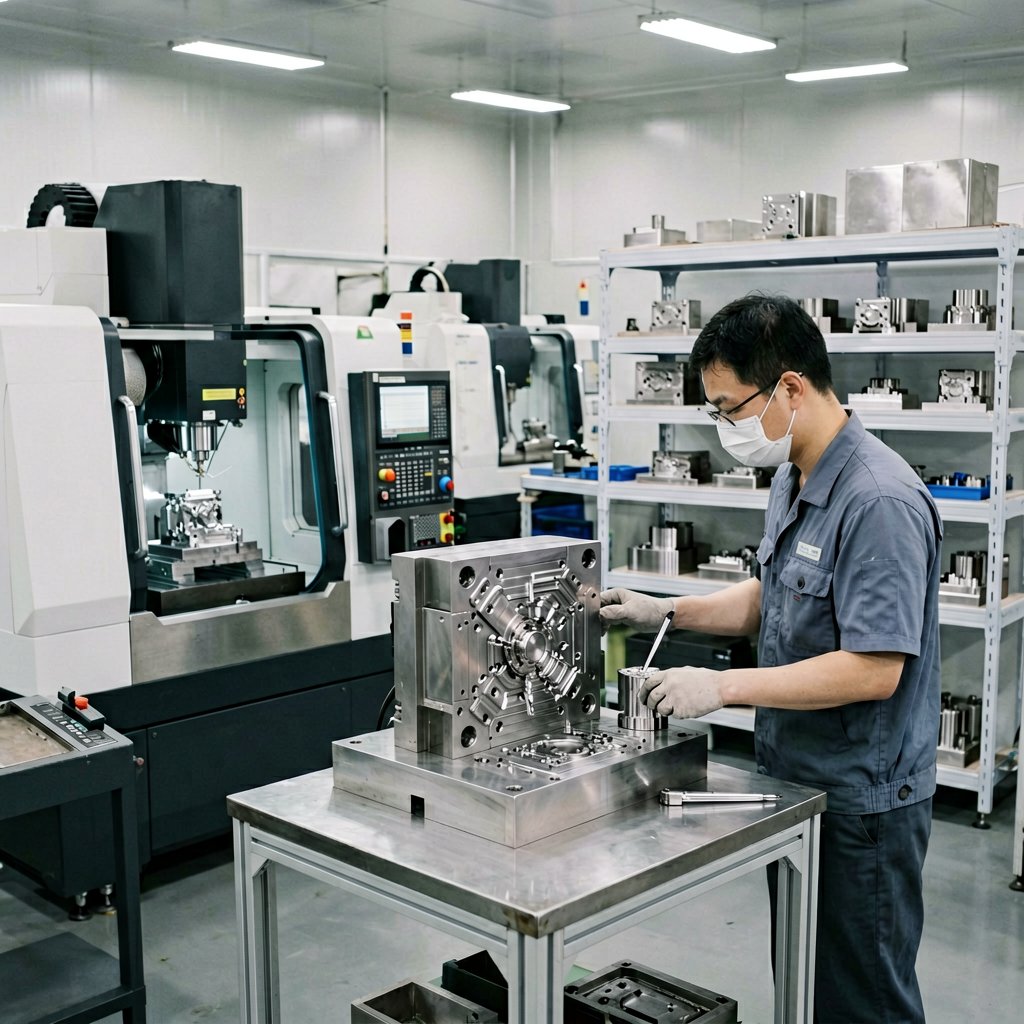
Tooling is usually the largest single component for products with custom shapes. A mold for a custom silicone mold, a stamped pan body or a coated product’s fixtures can cost far more than the first production run itself, which is why factories amortize it into the unit price over the quoted minimum. When the tooling is simple — a laser-engraved logo, a standard blank with a custom handle — the MOQ drops accordingly.
Ask for the breakdown instead of the number
The single most useful question you can ask is: “Can you show how this MOQ is built — tooling, packaging, setup — and which parts are fixed vs per-unit?” A serious factory can usually answer at least at a high level: “The MOQ covers the mold amortization and the packaging plate; the production minimum itself is lower.”
If the factory cannot or will not explain the composition, that is information too — it may mean the MOQ is a policy number rather than a cost-based number, and policy numbers are sometimes more negotiable than they look.
Why does the same product have different MOQs for different colors?
Color runs usually have their own minimums because each color requires a separate setup and material batch. A stock color may have a low minimum, while a custom color or a two-tone finish may carry a higher one. Bundling all your colors into one total volume does not always satisfy per-color minimums.
Practical ways to lower the minimum
None of these tricks work with every factory, but each is worth asking about:
- Use standard sizes and shapes. Custom molds are the biggest fixed cost; standard blanks with custom finishing can cut the tooling line dramatically.
- Pick stock colors and standard finishes. Custom color matching adds setup cost and usually a color minimum.
- Share the packaging plate. If you can accept a simpler box design or a standard carton with a label instead of full-color printing, the packaging fixed cost drops.
- Bundle across SKUs. Ask if several related products can share one production run and one overall minimum, even when each SKU’s minimum stays.
- Commit to a reorder schedule. Factories often accept a lower first MOQ when you commit to repeat orders, because the tooling amortizes across the series.
- Take some stock items. Mix custom products with the factory’s existing stock line to fill the container and spread the freight.
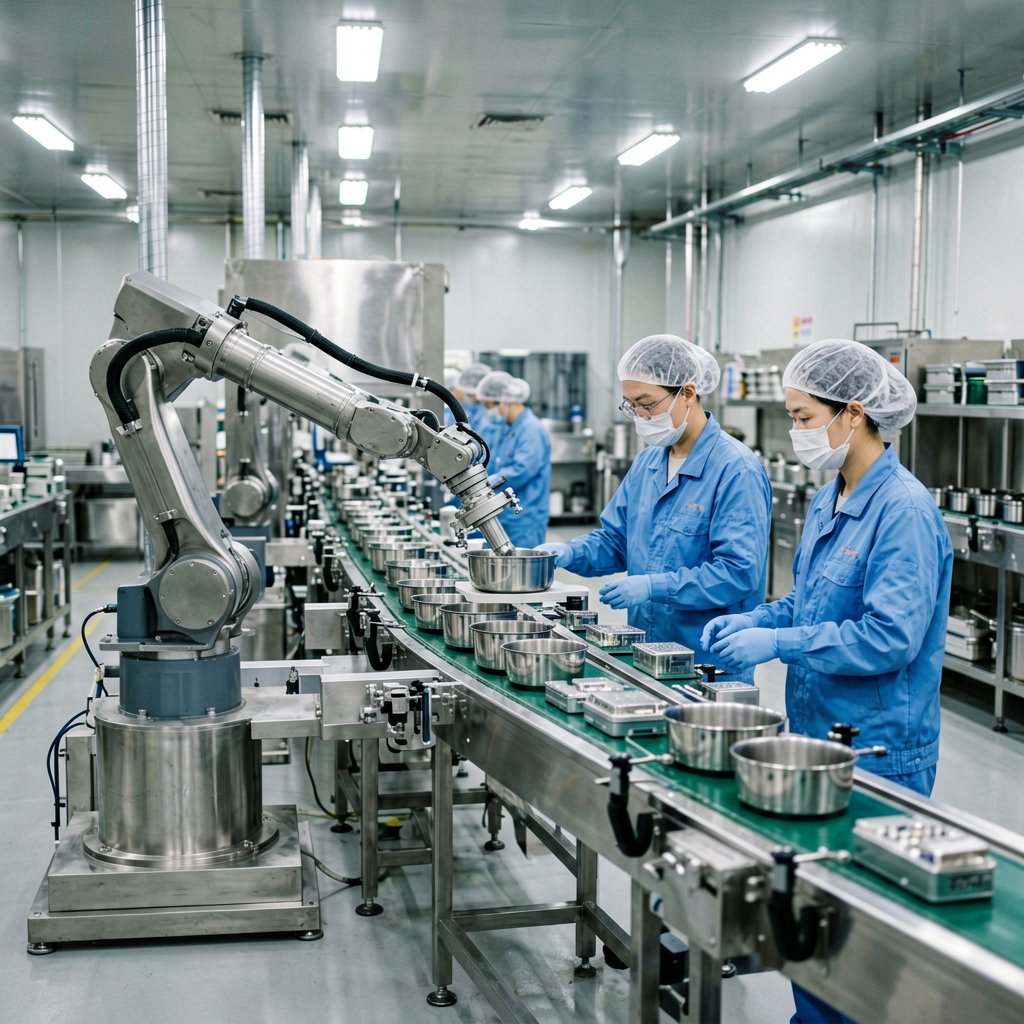
A useful exercise before you negotiate: write down what you actually need to customize. Many brands assume they need a custom mold when a standard blank with a printed logo, a custom box and a stock color would hit the same retail story at a much lower minimum. Rank your customization needs — shape, color, logo, packaging — and be ready to drop the least important one in exchange for a lower MOQ.
One caveat: lower is not always better. If a factory agrees to a very small custom run, the per-unit price may rise or the QC attention may drop. The goal is the lowest total cost for your plan, not the lowest MOQ number on paper.
To test the negotiation practically, use a worked example. Say a factory quotes 3,000 units at USD 5.00 with tooling included. Ask what the price looks like at 1,500 units with a standard carton and a label instead of a printed box, and at 3,000 units with the printed box. The difference between the two quotations tells you which cost component is driving the minimum — and that is the component worth negotiating.
MOQ, tooling and your brand economics
Tooling decisions deserve their own look because they outlive the first order. If the mold is owned by the factory and amortized into your first price, later reorders usually exclude that cost — but only if the agreement says so. Ask directly: “Is tooling included in this price, or charged separately, and who owns the mold after the order?” A written answer prevents a surprise in the second quotation.
The same framework applies beyond kitchenware — drinkware brands face identical tooling and printing minimums when they order custom cups and bottles from suppliers like Frozl, and the bundling and amortization logic carries over directly.
Keep a simple record of every MOQ conversation: the quoted number, the breakdown if you got one, and the price at each volume you asked about. Over a few orders this record shows you how a factory’s minimums behave — whether they move with your volume, with the season or not at all — and that pattern is part of the supplier’s real commercial profile.
For the product side of your first custom order, the kitchenware products page lists the standard categories and finish options you can start from — many MOQs shrink when you begin with a standard item and customize only the essentials.
FAQ
Is the OEM kitchenware MOQ negotiable?
Sometimes yes, when the fixed costs allow it. Ask for the cost breakdown, offer to simplify tooling or packaging, or commit to a reorder schedule. A factory that explains its MOQ structure is usually open to a reasonable adjustment.
Do custom colors increase the MOQ?
Often they do, because each color needs a separate setup and material batch. Stock colors normally carry the lowest minimums, while custom or two-tone finishes may require higher per-color volumes.
Who owns the mold after an OEM order?
It depends on the agreement. If the tooling cost is amortized into your unit price, clarify in writing whether the factory or your brand owns the mold, and whether reorders reuse it without a new tooling charge.
Before you accept or fight an MOQ number, ask for its composition — tooling, packaging, setup — and check which parts you can simplify. Send your product idea through the contact page with the standard item you want to customize, and the quotation will show you the MOQ and the tooling line separately.