Buy baking trays by the rack system, not by the tray alone. A commercial bakery chooses full sheets, half sheets or a mix based on what fits its ovens and rolling racks, and every tray you stock should match that geometry. This guide covers the standard sizes, the material and gauge choices, and the wholesale buying notes that keep a bakery tray program profitable.
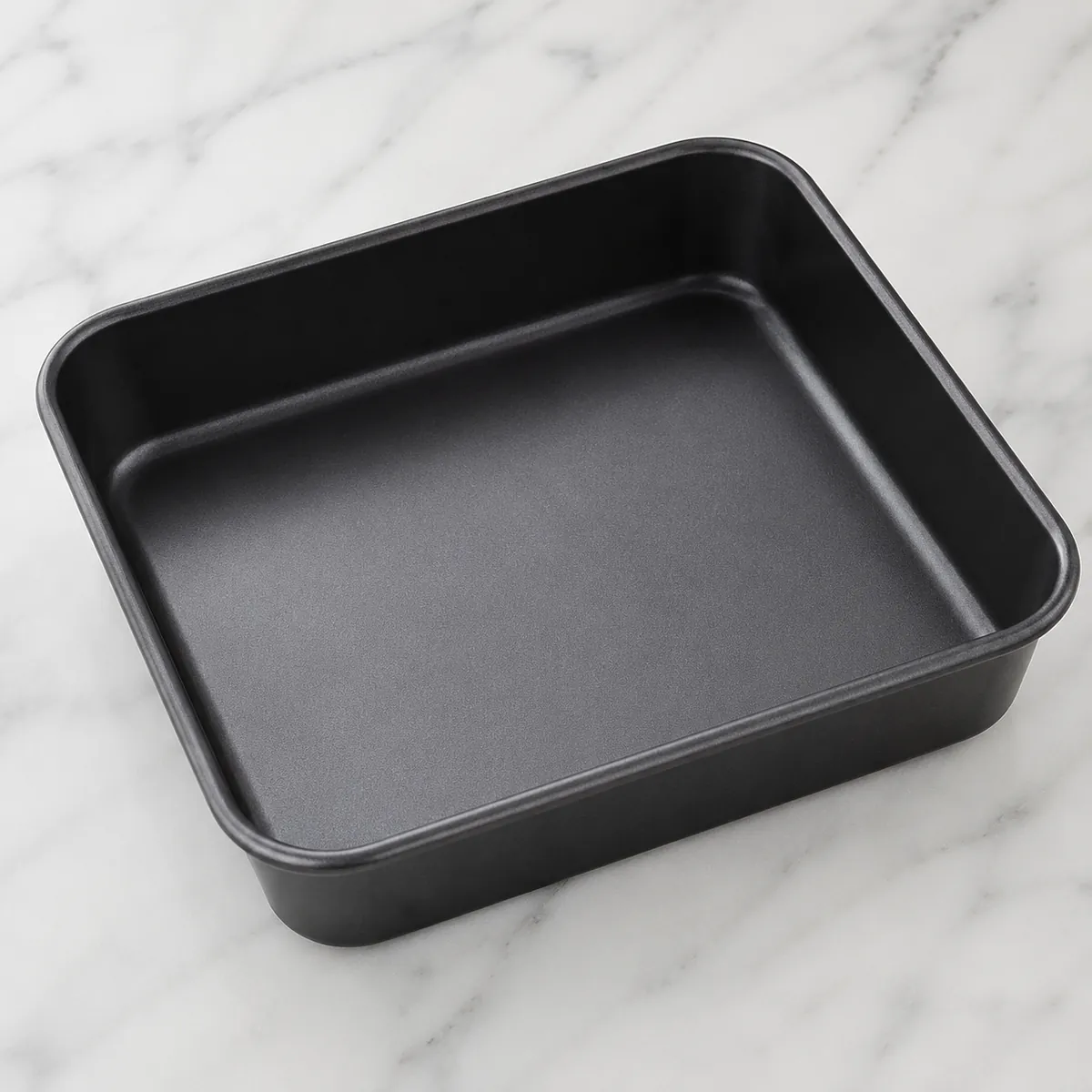
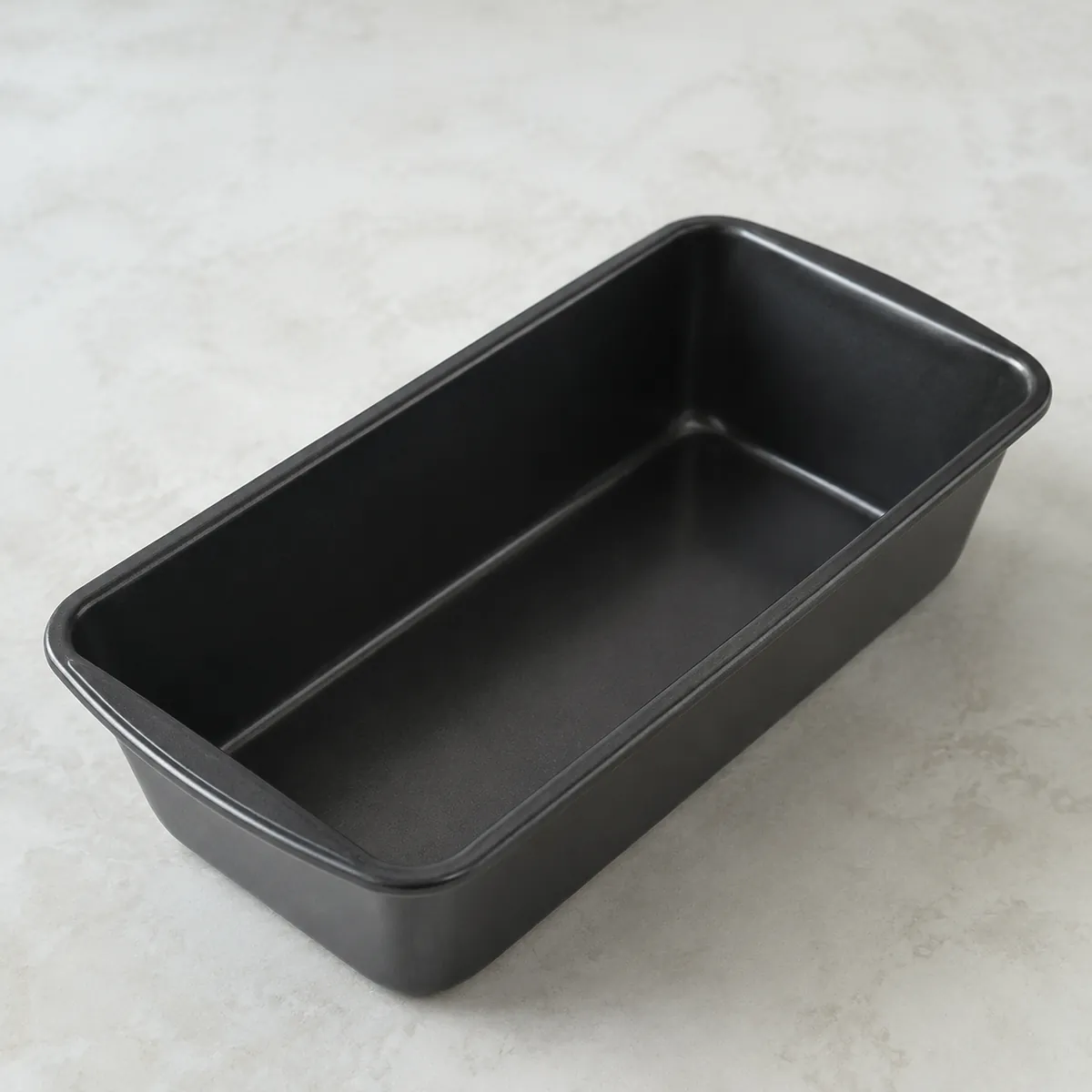
Sheet Sizes That Matter in Commercial Bakeries
Sheet pan sizes are standardized mostly by the US market, and the same sizes are widely exported. Know the outside dimensions, because usable baking area is smaller than the outside size once the rim is included.
| Size | Typical outside dimensions | Common use |
|---|---|---|
| Full sheet | 18 x 26 in (about 46 x 66 cm) | High-volume cookies, sheet cakes, large batches |
| Half sheet | 13 x 18 in (about 33 x 46 cm) | Most retail and mid-size bakery baking |
| Quarter sheet | 9 x 13 in (about 23 x 33 cm) | Small batches, prep work, display |
European bakeries may use metric trays with slightly different dimensions. Always confirm the exact outside size, rim height and corner style with the supplier before ordering.
Rack Compatibility Comes First
Commercial ovens use roll-in racks with rails, and the tray width must clear the rails while the length fits the cavity. Measure three numbers: the rack opening width, the distance between rails, and the oven depth. Send those numbers to your supplier. A tray that fits one brand of oven may jam in another, so do not assume standard sizes are universal.
If you are building out a bakery program from scratch, start from the bakeware product range and match tray sizes to the ovens your customers actually run.
Material and Gauge Choices
Three materials dominate commercial baking trays, and each behaves differently:
| Material | Strengths | Watch out for |
|---|---|---|
| Aluminum | Fast, even heating; rust-resistant; light | Dents and warps if too thin; reacts with acidic foods |
| Carbon steel | Strong, handles high heat, durable | Needs seasoning or coating to resist rust |
| Stainless steel | Rust-proof, dishwasher-friendly | Heavier, slower heat response, higher cost |
Gauge refers to sheet thickness: a lower gauge number means thicker metal. Thicker trays warp less under high heat but cost more and weigh more, which raises freight. A balanced choice for most wholesale programs is a mid-range gauge that survives daily use without bending.
Coatings and Release Performance
Bare aluminum is the classic choice, but coated trays change the buying decision. Non-stick or silicone-coated trays release pastries cleanly and reduce labor, but coatings wear over time and can limit maximum oven temperature. If you stock coated trays, confirm the temperature rating and the coating warranty policy with the factory.
Wholesale Buying Notes
- Bundle sizes: stock a 3:1 or 4:1 ratio of half sheets to full sheets for most bakery customers, then adjust by your market.
- Carton planning: trays nest, but coated surfaces need protective sheets between them to avoid scratching.
- MOQ and lead time: standard sizes are usually cheaper and faster; custom sizes or colors raise MOQ and lead time.
- Sample first: order one tray of each candidate size and test fit in the actual oven before committing to a container.
Packaging and Carton Planning for Wholesale Trays
Baking trays travel badly when packed carelessly. Coated surfaces scratch against each other, and thin aluminum edges dent in loose cartons. Practical carton rules keep the container clean:
- Protective sheets: uncoated trays can nest with simple interleaving; coated trays need soft separation.
- Carton counts: standardize counts per size so the warehouse can verify cartons without opening every box.
- Labels and barcodes: agree label position and barcode format before production, especially for retail-ready cartons.
- Palletization: confirm the carton footprint and pallet height for sea freight, and check the weight per pallet against truck limits.
Ask for a packed carton photo and a drop test on the sample order. A tray program that arrives undamaged keeps reorder rates high and return rates low.
Seasonality and Reorder Planning
Bakery demand moves with the calendar. Holiday baking lifts cookie and sheet-cake tray sales in the fourth quarter, while spring and summer favor lighter pastry lines in some markets. Plan reorders against that curve: order the core sizes in the quiet months when factory capacity is available and freight rates are lower, and keep a safety stock of the fast-moving half sheet so a reorder gap does not empty the shelf. Because tray manufacturing is usually faster than cookware, a shorter lead-time buffer is enough, but the seasonality planning still belongs in your import calendar.
Choosing a Baking Tray Supplier
Because trays look simple, buyers often skip the checks they would run on cookware. Do not. Verify the gauge claim by measuring a sample, confirm the coating temperature rating in writing, and test one tray in the actual oven before the container. A supplier who answers dimension and coating questions with specifics, rather than catalog copy, is usually the one who can hold a tolerance across a production run.
Quick Checklist for Baking Tray Wholesale
- Outside size, rim height and gauge confirmed in writing.
- Rack opening and rail spacing measured and sent to the supplier.
- Coating and temperature rating verified on a sample.
- Carton count and pallet plan agreed before production.
- Reorder calendar aligned with holiday baking demand.
Frequently Asked Questions
Can baking trays be used in convection and deck ovens?
Usually yes, but the tray must clear the oven cavity and tolerate the temperature. Confirm the maximum temperature rating and the tray dimensions against the oven manual before buying.
How do I prevent baking trays from warping?
Choose a thicker gauge, avoid sudden temperature shocks, and never cool hot trays under running water. Warping is often a handling issue as much as a material issue.
What is the MOQ for custom-size baking trays?
MOQs vary by factory and tooling. Standard sizes usually have low minimums, while custom dimensions or coated finishes may require higher quantities. Confirm the MOQ and reorder price before committing.
Where can I see the available bakeware range?
Browse the bakeware product range or the full product list and shortlist the sizes you want to quote.
Final Recommendation
Specify baking trays with four numbers: outside size, rim height, gauge and material. Verify them against the actual oven rack, order a test tray before the container, and keep a simple size ratio that matches your customers’ ovens. The bakery that fits its racks without jamming is the bakery that reorders.
Request a wholesale quote for baking trays and send your rack dimensions for a compatibility check.