Choose a marketplace when you are testing small volumes, and a direct factory when volume and customization justify the extra due diligence. Both channels can supply quality kitchenware, but they trade off price, control and risk differently. This guide compares them on the decisions that matter, then gives a hybrid path and the verification steps that protect you in either route.
How Each Channel Works
Marketplace platforms such as Alibaba and Global Sources connect you with suppliers under a platform umbrella: standardized listing pages, messaging, payment protection and dispute mechanisms. Direct sourcing means contacting a manufacturer yourself, negotiating terms directly and managing the order process with your own contracts and inspections. The choice is not either-or: many buyers start on a platform and move key lines to direct sourcing as volumes grow.
Direct Comparison Table
| Factor | Marketplace | Direct factory |
|---|---|---|
| Unit price | Higher for volume orders | Lower at scale |
| MOQ | Flexible, low-entry | Often higher |
| QC control | Supplier-managed, platform-mediated | You control inspections directly |
| Payment protection | Platform escrow and dispute support | Contract and T/T terms you negotiate |
| Customization | Available but variable | Deeper, with direct tooling ownership talks |
| Communication | Platform messaging, variable quality | Direct line, faster decisions once trusted |
| Due diligence burden | Platform filters some risk | Fully on you |
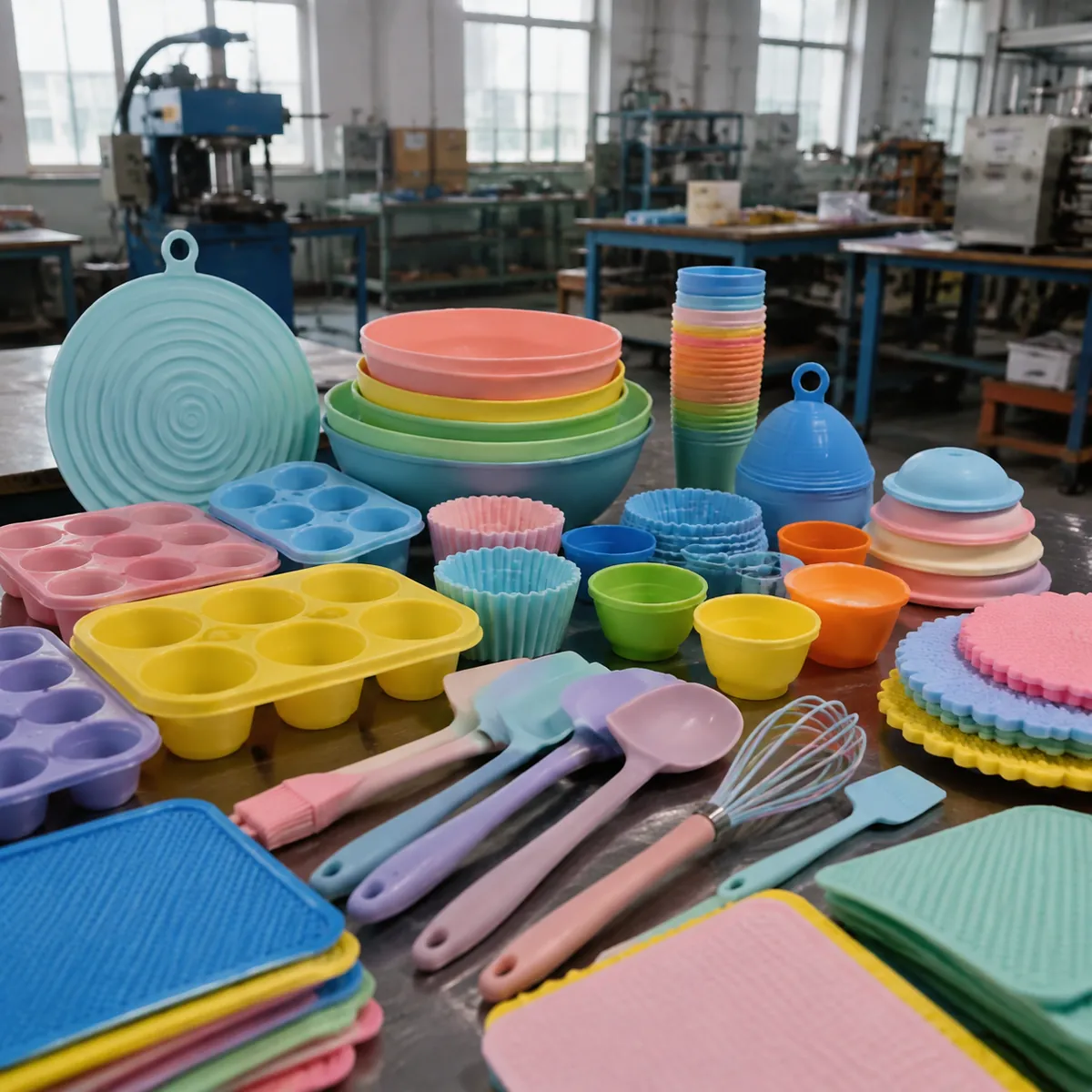
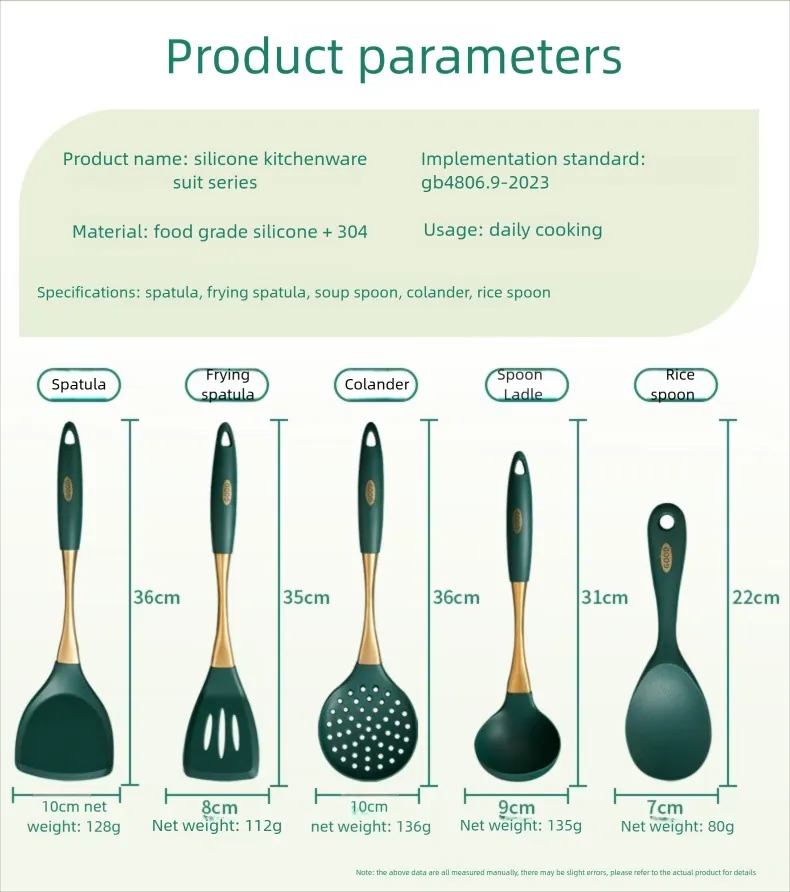
Whichever channel you choose, build your shortlist from a structured kitchenware products range so every quote compares the same items and specifications.
When to Start with a Marketplace
Marketplaces are the right first stop when you are testing demand, ordering a few hundred to a few thousand units, or sourcing a wide assortment across categories. Payment protection and dispute support reduce the downside of a bad first supplier, and the listing ecosystem makes product discovery fast. Treat the first order as a trial: keep quantities low, request samples and note the supplier’s behavior during the transaction.
When to Go Direct
Move to direct sourcing when you have repeat volumes, need real customization, or want to own molds and packaging. A direct factory relationship usually lowers unit cost and gives you a direct line to production decisions, from material grades to QC checkpoints. The price is your own due diligence: license checks, video audits, sample validation and inspection booking all sit on your side.
The Hybrid Path That Most Buyers Use
- Discover suppliers on marketplaces and screen them with the same scorecard you would use for any supplier.
- Order a small trial through the platform to test quality and communication.
- After one or two good orders, move the proven line to direct negotiation with the factory.
- Keep the marketplace relationship as a second source for other categories.
The same logic applies when you source drinkware sourcing for beverage programs: test through a platform, then consolidate volume with a trusted direct partner.
Verification Steps for Either Channel
- Business license and factory name, cross-checked with the address in video walkthroughs.
- Product test reports for the exact items you order, not generic certificates.
- A pre-production sample with your logo and packaging, approved in writing.
- Third-party pre-shipment inspection against the approved sample and AQL.
- Written contract covering price, MOQ, payment terms, Incoterms, defect policy and producing factory.
Communication and Documentation in Each Channel
The channel changes how you communicate, but the documentation standard should not. On a marketplace, keep the conversation inside the platform so the dispute record exists, and save the supplier’s listing claims as screenshots before ordering. With a direct factory, put the specification, the price breakdown, the payment terms and the defect policy into a signed contract, and keep every revision in the email trail. In both cases, watch response behavior: the supplier who takes days to answer a simple spec question will not speed up when a production issue needs a decision.
Common First-Order Mistakes
The failures repeat across buyers, so they are easy to avoid once named. The first is ordering a full container from a supplier you have only emailed with, without a sample or inspection. The second is comparing quotes on different specifications and choosing the cheapest, which usually means comparing different products. The third is treating the platform’s payment protection as quality insurance: it protects your money, not your product. The fourth is skipping the written spec sheet and relying on a chat conversation. Each of these mistakes is cheap to fix at the planning stage and expensive at the container stage, so write the checks into your process before the first order.
Quick Checklist for Choosing a Kitchenware Supplier
- Channel matched to order size: marketplace for trials, direct for volume.
- Same spec sheet sent to every candidate.
- Producing factory named and verified in the contract.
- Sample approved in writing before mass production.
- Third-party inspection booked for the first real order.
Frequently Asked Questions
Are marketplace suppliers and direct factories different companies?
Sometimes they are the same: many factories list on platforms to reach buyers. Check whether the listing company is the manufacturer or a trading company, and name the producing factory in the contract either way.
Do I need an inspection for every marketplace order?
For small trial orders, inspection may not pay for itself. For container-size orders or any custom work, book a third-party inspection regardless of channel.
How do I compare quotes from marketplaces and factories?
Send the same specification sheet to both, including Incoterms, and compare landed cost per unit, not list price. A platform quote that includes shipping may beat a factory quote that does not.
Can you help me shortlist kitchenware suppliers?
Our sourcing team works directly with manufacturers and can share verification records during your evaluation. Contact us with your product list and we can guide the next step.
Final Recommendation
Match the channel to the order: marketplaces for low-risk trials, direct factories for volume and customization, and a documented handoff between the two when a line proves itself. Verify the factory, validate the sample and write the terms down in every route. The channel is a tool; the discipline is the same.
Verify twice, ship once. Choose the channel for the order size, then apply the same verification to both.Tell us what you want to source and we will help you decide whether a marketplace trial or a direct factory program fits your order size.
The marketplace handles the payment risk; you handle the product risk.