Bakeware from a China manufacturer comes down to three numbers: MOQ, unit price, and production timeline. Understand how each number is set, and you can plan an order that fits your budget and your retail calendar. Misread them, and you end up with a container of bakeware you cannot sell when you need it. The baking trays, pans, and molds covered by these decisions are in the bakeware products and kitchenware products collections.
How MOQ Is Set for Bakeware
The MOQ depends on the production process, not the supplier’s mood. A standard baking tray on an automated line can run at low volume because the tooling already exists. A custom shape needs a mold, and the mold cost is usually spread across the first production run, which raises the MOQ.
Coating is another factor. A non-stick coating line has minimum batch sizes, and each color change costs time. Custom colors and multi-layer coatings push the MOQ higher. Packaging also matters: printed retail cartons need a minimum print run per design.
How Pricing Is Built
Unit price for bakeware is built from several layers:
- Material: aluminum, carbon steel, stainless steel, silicone, or glass
- Processing: stamping, forming, welding, and finishing steps
- Coating: bare, non-stick, or specialty coating
- Packaging: polybag, plain carton, or printed retail box
- Quantity: higher volume usually lowers the per-unit cost
Ask for a cost breakdown at the quotation stage. If one supplier is much cheaper, check which layer is different: thinner material, a thinner coating, or simpler packaging. The cheapest quote is not always the cheapest order after damage and complaints.
Realistic Production Timelines
| Phase | Typical window |
|---|---|
| Sampling | 7 to 15 days after spec confirmation |
| Tooling (custom mold) | 15 to 30 days additional |
| Mass production | 20 to 40 days after sample approval |
| Packing and loading | 3 to 7 days after QC |
These are general ranges and may be longer or shorter depending on the factory and the season. Confirm the production window in writing and build a buffer for sample revision, which is the most common source of delay.
Pricing and Timeline Checklist
- Get a written quotation with MOQ, unit price, tooling cost, and lead time
- Confirm the production window in the purchase order
- Request a production sample and approve it before mass production
- Agree on the QC check and defect tolerance before loading
- Keep the packing spec and shipping marks in the PO
Standard vs Custom Bakeware
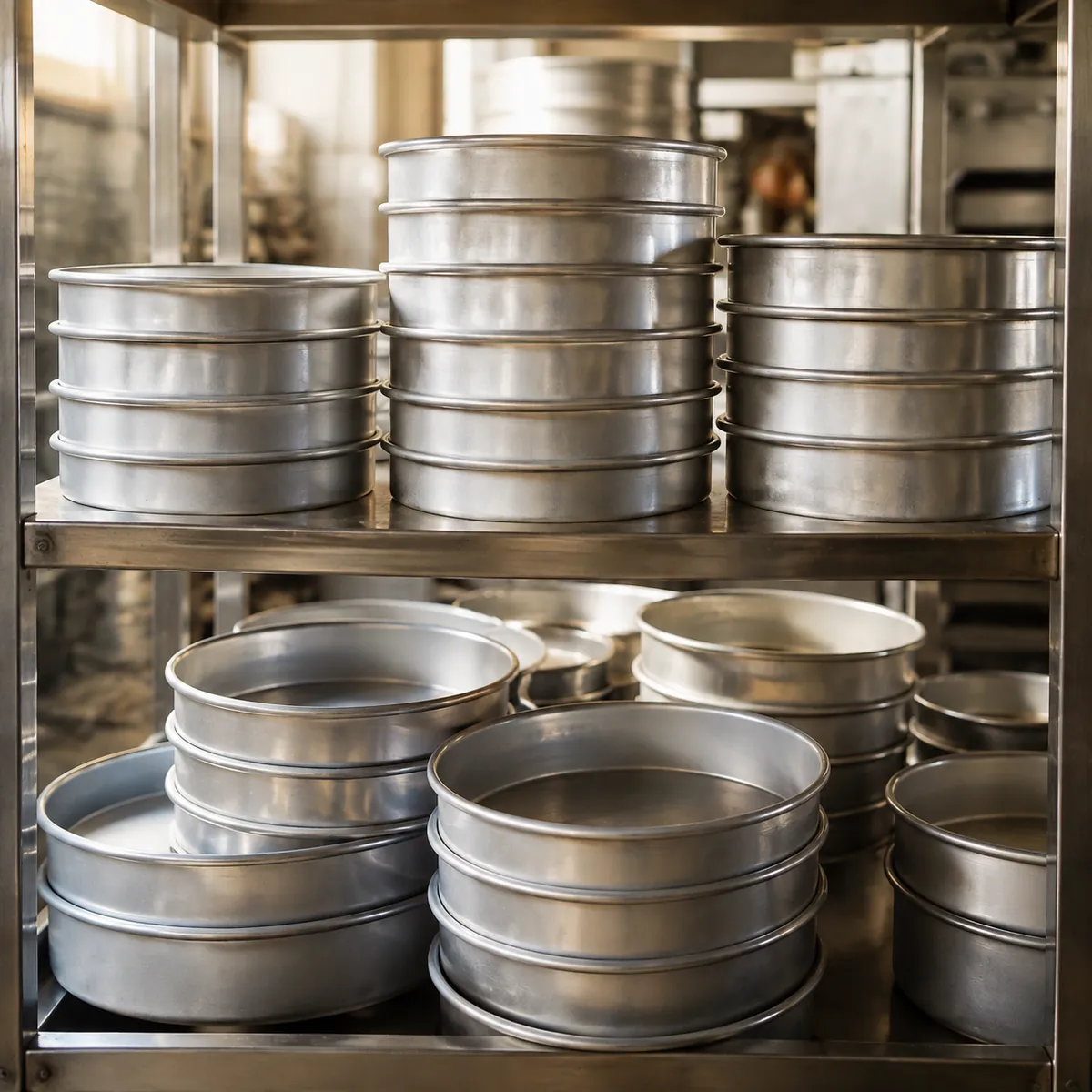
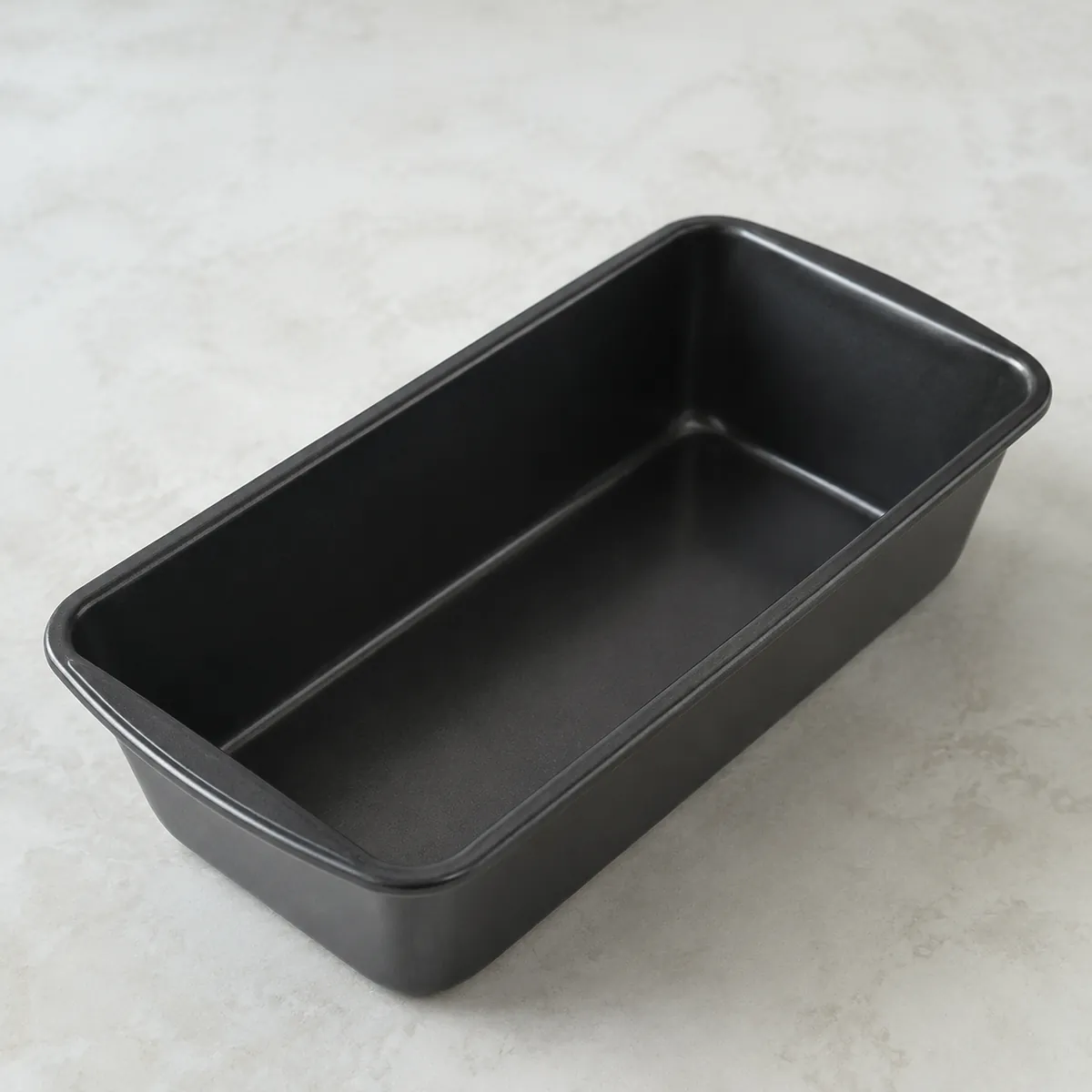
Most first orders work best with standard shapes: baking trays, loaf pans, cake pans, and muffin pans in common sizes. Standard tooling exists, the coating lines are proven, and the MOQ stays low. Custom shapes add a mold cost, a longer tooling phase, and a higher MOQ, but they also create a product your competitors do not stock.
A practical path is to start with standard shapes in your own color and packaging, build sales data, then invest in one or two custom shapes for the line that performs. The custom mold cost can often be recovered across a production run, but only if the volume is there.
Sampling and QC Before Loading
For bakeware from a China manufacturer, the sample is the quality contract. Approve the sample against the spec sheet, test the coating adhesion and the oven-safe claim if it applies, and keep the approved sample as the reference for the final inspection. Most factories will hold a production sample for you to compare against the bulk goods.
At the final inspection, check the actual goods against the approved sample, not just the spec sheet: color, coating, weight, and packing. If the factory knows you compare against the sample, the production line is more careful from the start.
Working with the Factory: Documents and Communication
A bakeware order runs on documents. The quotation, the sample approval, the purchase order, and the inspection report form the record you rely on if something goes wrong. Keep every document in one folder with the order number, and confirm in writing any change to the spec, price, or schedule. Verbal promises disappear when the order is in dispute.
Communication also affects the timeline. Agree on the response time for approvals and questions, and plan for the time zone difference. A one-day delay in approving a color sample can push a custom order by a week if the factory is waiting on your decision before the next production step.
MOQ Negotiation Levers
If the quoted MOQ is higher than you want, there are levers besides accepting it. Standard shapes and colors usually have the lowest MOQ, so start there. Group several SKUs in one production run, simplify the packaging, or order two colors instead of four. Each simplification lowers the minimum the factory needs to make the line profitable.
Volume commitments can also help. A factory may accept a lower first-order MOQ if you commit to a second order within a period, because the tooling and setup cost is recovered across the two runs. Ask what the factory needs to make a smaller first order work, and put the agreement in writing.
Sample Approval Process for Bakeware
The sample stage for bakeware has its own rhythm: after you confirm the spec, the factory makes a pre-production sample, you test it, and you approve it in writing. Test the sample the way your customer will use it: bake in it, check the release and the coating, and note the weight and the finish. The approved sample becomes the reference for the bulk order.
Some buyers skip the sample to save time. For bakeware, that is a false saving. Coating, size, and oven performance are exactly what differ between samples and bulk goods, and a rework after production is far more expensive than a sample round.
Payment Terms for Bakeware Orders
Bakeware orders follow the same payment logic as other export orders: a deposit to start production and the balance before shipment or against the shipping documents. The common split is 30% deposit and 70% before shipment, but terms vary by factory, order size, and relationship. Confirm the split and the payment method in the quotation.
Pay attention to what triggers each payment. A deposit should be tied to a production start date, and the balance should be tied to the documents or the loading date, not to a vague “when ready.” If the factory asks for the full payment before you have seen the loading photos or the packing list, ask for a written explanation and a delivery commitment.
What to Ask Before You Commit
Before you place the order, ask the manufacturer these questions: What is the MOQ per model and color? Is there a tooling cost, and is it credited back? What are the production and delivery dates? What test reports or documents are included? The answers tell you whether the supplier can deliver your plan or whether you need to adjust the spec.
Frequently Asked Questions
What is the typical MOQ for bakeware from China?
MOQs vary by product and material. Standard shapes like baking trays and loaf pans may have a moderate MOQ, while custom shapes, custom coatings, and custom packaging raise it. Ask the manufacturer for the MOQ per model before planning your order.
How long does a bakeware order take from a China manufacturer?
A typical bakeware order takes 30 to 50 days from sample approval to container loading, depending on the material, coating, and factory schedule. Custom molds add tooling time before production starts. Confirm the production window in the quotation.
How is bakeware pricing built?
Unit price is usually built from material cost, processing steps, coating, packaging, and quantity. Thicker material, custom coatings, and printed retail packaging all raise the price. Ask for a cost breakdown so you can compare suppliers and adjust the spec.
Final Recommendation
Match the MOQ, price, and timeline to your market plan, not the other way around. Start with standard shapes and coatings to keep the MOQ low, then add custom elements once the line proves itself. If you are sourcing bakeware from a China manufacturer and want to compare MOQ, pricing, and production timelines, send your product list to our contact page.