Central Asian importers should build a kitchenware wholesale program around tableware, stainless steel utensils and durable cookware, in that order, because the market’s spending pattern rewards visible, everyday products over premium showpieces. The region — Kazakhstan, Uzbekistan, Kyrgyzstan, Tajikistan and Turkmenistan — imports most of its kitchenware from China, Turkey and Russia, and the buyers who succeed are the ones who match their product mix to the local retail reality: strong demand for affordable sets, long overland transit, hot summers and cold winters, and payment terms that work with local banking. This guide walks through the product mix, packaging, payment terms and supplier verification steps that make a Central Asian kitchenware wholesale program work.
What the Central Asian kitchenware market actually buys
The practical starting point is to separate what the market wants from what Western importers assume it wants. Western buyers often push premium stainless cookware and designer bakeware; the Central Asian retail shelf is heavier on value sets, melamine and ceramic tableware, stainless steel cutlery and utensils, non-stick cookware at accessible price points, and storage and kitchen gadgets that make daily life easier. The region has a large food-service sector too — restaurants, hotels and catering in the cities — which buys the same categories in commercial grades.
There are also regional preferences worth noting. Kazakhstan and Uzbekistan have large populations with strong household cooking traditions, which keeps demand for frying pans, kettles, pots and teapots steady. Russian-speaking markets are familiar with certain Soviet-era product formats, such as the teapot and the deep saucepan, and some importers do well by keeping those formats in the range while modernising the materials. The tea and hospitality culture also means serving pieces — samovars, teapots, serving trays — are a real category, not a niche. Confirm the exact mix with your retail customers before you commit, but the safe first container mixes everyday tableware with stainless steel basics and non-stick cookware.
| Category | Demand profile | Typical import position |
|---|---|---|
| Tableware (ceramic, melamine, porcelain) | High volume, price sensitive | Good entry category with fast turns |
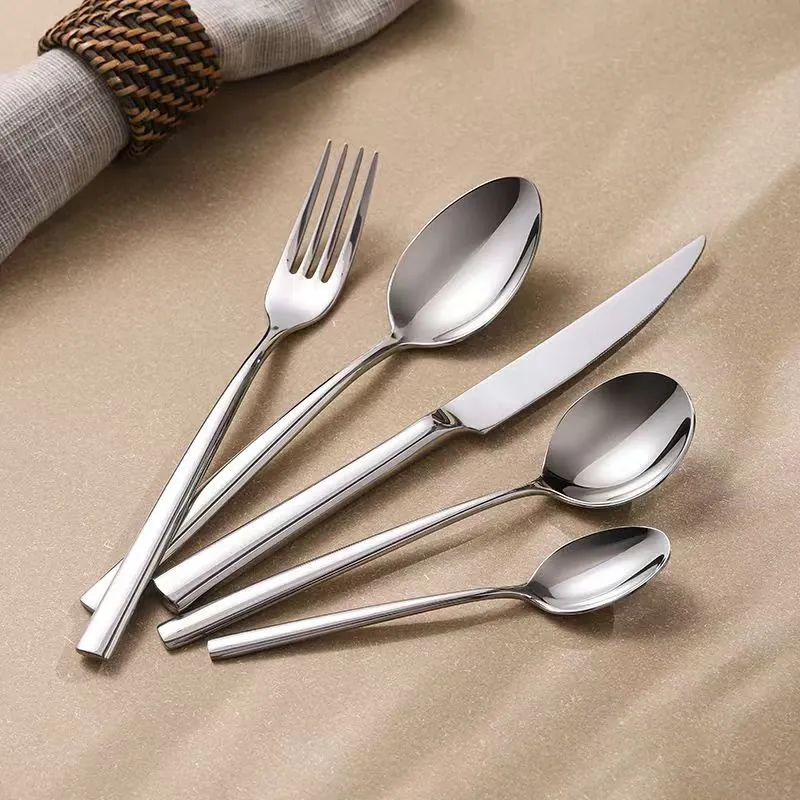
| Stainless steel utensils and cutlery | Steady, low return rate | Reliable margin builder |
| Non-stick cookware | High volume, competitive | Core category, price-led |
| Bakeware | Growing in cities | Differentiator for urban retail |
| Storage and kitchen gadgets | Growing, impulse-driven | Good for fill-in and margin |
| Drinkware and tea service | Cultural staple | Regional strength if sourced well |
The takeaway is that the region rewards a broad, practical range over a narrow premium one. An importer with 40 to 80 active SKUs spread across these categories serves the typical Central Asian retailer far better than one with 15 premium SKUs.
Product mix planning for the first container
The first container is where most Central Asian kitchenware programs make their mistakes, and the pattern is consistent: too many SKUs, too little quantity per SKU, and a mix chosen from a supplier’s catalogue instead of from the market. A 40-foot container holds roughly 50 to 70 pallets depending on the goods, and that space should be spent on a small number of proven SKUs at quantities that keep the unit cost sensible, not on 200 SKUs at 50 pieces each.
A practical first-container plan looks like this: three to five tableware SKUs (dinner plates, bowls, mugs and a set option), three to four cookware SKUs (a frying pan, a saucepan, a stockpot and a non-stick set), two to three stainless steel SKUs (cutlery set, mixing bowls, utensils), and one or two gadget or storage SKUs as a test. That gives the importer enough depth to supply retailers and enough variety to learn what moves. The second container then doubles down on the winners and drops the slow movers.
Set items deserve special attention. Retailers across the region sell dinner sets and cookware sets hard, and a well-packed set with a strong visual has a better margin than the same pieces sold loose. But set packaging adds volume and freight cost, so the set-vs-loose decision has to be made against the freight rate to your specific destination, not against a general rule. Ask the supplier for both the set price and the loose price per piece, and calculate the landed cost both ways for your city.

How the region differs from Western retail
A buyer who treats Central Asia like a smaller version of a Western market will misprice and miss. The differences are structural, and each one changes a sourcing decision. First, the retail channel is more fragmented: alongside modern supermarkets in the cities, there is a large network of bazaars, small household goods shops and market stalls that buy in small lots and sell at cash-and-carry prices. An importer who sells only to modern retail misses the majority of the volume in many cities. Second, price sensitivity is sharper at the entry level but less predictable at the top: the middle band is thin, and goods either move at accessible prices or wait for a slow premium buyer. Third, seasons run on a different calendar, with major demand peaks around local holidays and the start of the school year, plus a strong pre-winter buying season for cookware and kitchen items.
| Factor | Western retail norm | Central Asian reality |
|---|---|---|
| Sales channel | Modern retail chains dominate | Bazaars and small shops carry a large share |
| Price structure | Broad mid-market band | Sharp entry level, thin middle band |
| Buying rhythm | Seasonal promotions, calendar-driven | Holiday peaks plus pre-winter buying |
| Payment culture | Trade credit common | Cash and short-term terms dominate |
| Brand importance | Strong brand loyalty | Price and availability often decide first |
These differences point to one sourcing conclusion: the program should be built for resale flexibility. Offer products that can move through both modern retail and bazaar channels — standard sizes, strong cartons, clear pricing — and keep the first containers broad enough to serve both. The packaging language matters too: many regional retailers display products in the carton or on the pallet, so a clean, informative outer carton with a visual of the product sells better than a plain brown box.
Quick FAQ: What kitchenware sells best in Central Asia?
Everyday tableware, stainless steel utensils and cutlery, and value-positioned non-stick cookware are the consistent sellers across the region. Serving pieces and tea service items are a regional strength. Premium bakeware and designer cookware are slower, though urban retail is opening up for them. Confirm the final mix with local retailers and test new categories in small quantities.
Packaging and transit: the overland reality
Most Central Asian imports travel by road or rail from China, and the transit profile is very different from a sea container to a Western port. The journey can take 15 to 30 days overland depending on the border crossing and the season, with multiple handling points, temperature swings and road vibration. Packaging that is fine for a short ocean leg can fail on this route, so the packaging spec should be written for overland, not for sea.
Three packaging rules matter most for the region. First, use five-layer corrugated cartons for anything fragile — ceramic and porcelain tableware especially — and confirm the carton strength with the supplier in writing. Second, protect the inside of each carton with dividers or inserts for plates and bowls; loose packing is the main cause of breakage claims on overland routes. Third, keep pallet loads stable and shrink-wrapped, because repeated handling at border crossings and transshipment points is where damage happens. It is also worth specifying that cartons are marked clearly with the destination and handling instructions in the local language where possible, so the goods are handled correctly at every stage.
Temperature is the quieter risk. Winter transit through the region can expose goods to extreme cold, which affects some plastics and coatings, and summer heat affects printed packaging and anything adhesive. If your goods include plastic items or coated cookware, confirm with the supplier that the materials tolerate the transit temperature range, and avoid long warehouse storage in unheated facilities at either end.
Payment terms: what works with Central Asian buyers and Chinese suppliers
Payment is where many Central Asian wholesale programs stall, because the two sides of the deal have different banking realities. Chinese suppliers typically want a 30 percent deposit with the balance before shipment, and they are used to Western buyers paying by T/T. Central Asian importers, especially smaller ones, often face currency controls, limited foreign-currency access and slower bank processing, so a standard T/T arrangement can be hard to execute.
The workable structures in practice include: T/T with a 30 percent deposit and 70 percent against the copy of the bill of lading (the most common middle ground); letters of credit for larger orders where the importer’s bank can issue them; and, for repeat relationships, a partial credit line where the supplier extends payment after a clean first order. The important rule is to discuss the payment structure before production, not after, and to get the terms in writing. If your market has currency restrictions, check with your bank how the transfer will work before you sign anything, and ask the supplier which payment channels they can accept.
There is also a practical documentation layer: the commercial invoice, packing list, certificate of origin (often needed for customs duty preferences in the region’s trade agreements) and, for food-contact goods, the relevant compliance documents. Central Asian customs regimes are document-heavy, and a missing certificate can hold a container at the border for weeks. Confirm the documentation list with your customs broker before the shipment leaves the factory.
Sourcing channels: direct factory, trading company or regional middleman
Central Asian importers typically source kitchenware through one of three routes, and the right choice depends on order size, capital and how much inspection work the buyer can do. The direct factory route gives the best unit cost but requires the buyer to manage samples, QC and documentation, and usually requires larger minimums. The trading company route adds a margin but bundles inspection, packing, export documentation and freight handling, which is genuinely valuable for a buyer who cannot travel to China. The regional middleman route — buying from an established importer or distributor in a neighbouring country — is the fastest way to test the market with small quantities, at the highest unit cost.
There is no universally right route; there is a right route per stage. Many successful Central Asian importers start with a regional middleman or a trading company for the first test order, learn what sells, then move to direct factory sourcing once the volume justifies it. The key is to know which route you are on and to price accordingly. A direct-factory quote is not comparable to a trading-company quote until you add your own inspection, documentation and freight-coordination costs to the factory price.
Choosing the right corridor and the freight partner
The route from China to Central Asia matters as much as the product, and the main corridors have different strengths. The rail route through Kazakhstan (often via Alashankou or Khorgos) is the fastest for volume and the most reliable in winter, and it suits higher-value goods where transit speed protects cash flow. The road routes through the western border crossings are flexible for less-than-container loads and mixed cargo, but they are more exposed to border congestion and seasonal weather. For Uzbekistan, cargo often moves via Kazakhstan or Kyrgyzstan, which adds a border to the journey and makes the documentation discipline even more important.
Choose the freight partner before you choose the container size, and test the corridor with a small shipment first. A forwarder who handles the China-Central Asia route regularly knows the border documentation, the customs brokers and the seasonal delays; a general forwarder who treats the route like any other shipment will discover the differences at your expense. Ask the forwarder for a recent shipment reference on the same corridor, confirm which documents they need at each border, and agree who handles the customs clearance at the destination. The cheapest quote is rarely the cheapest delivery.
Quick FAQ: What payment terms should a Central Asian importer negotiate?
T/T with a 30 percent deposit and 70 percent against the bill of lading is the most common workable structure. Letters of credit work for larger orders. Discuss payment before production, get the terms in writing, and confirm with your bank how the transfer will clear under local currency rules.
Pricing and margin planning for the region
Margin planning for Central Asia has to start from the landed cost, not from the supplier’s FOB price. The landed cost stack is: the factory price, freight to your city, customs duty and clearance fees, any local taxes, and the cost of money while the goods sit in transit and in the warehouse. On an overland route, freight and border costs can be a much larger share of the landed cost than on an ocean route, so a cheap factory price with bad freight coordination can lose to a slightly more expensive factory with a smooth corridor.
Work out the landed cost per SKU before you negotiate with the supplier, and negotiate the factory price against it. A common mistake is to negotiate only the per-piece price and discover later that the packaging weight, the carton size or the pallet configuration is driving freight up. Ask the supplier for the packed carton dimensions and weight per unit at quotation stage, calculate the freight per carton, and let that number shape the packaging decisions. A slightly smaller carton or a better pallet layout can be worth more than a cent per piece on the factory price.
For the retail margin, the regional norm is a thin margin at the entry level and a better margin on sets and differentiated items. Build the pricing ladder so that the entry items cover the cost and attract the bazaar buyers, while the set items and the stainless steel lines carry the profit. Keep the same transparency with your retail customers: Central Asian retailers are used to cash terms and quick turns, and a wholesaler who quotes landed-cost-based prices with clear pack quantities earns repeat business faster than one who quotes high and negotiates down.
The currency and exchange-rate layer also belongs in the pricing plan. If your market’s currency moves against the renminbi, the landed cost changes between quotation and delivery, and a thin margin can disappear entirely. Agree with the supplier how long a quoted price stays valid, whether the price is fixed in dollars or in the supplier’s currency, and what happens if the exchange rate moves beyond an agreed band before shipment. This is a short clause in the purchase order, and it prevents the most common “the price changed after we agreed” dispute in the region.
Verifying a kitchenware supplier for the region
Supplier verification for a Central Asian program is the same discipline as for any market, with two regional additions: the supplier must be able to document origin and materials for customs, and the freight cost to your city must be part of the comparison. The core verification steps are: confirm the supplier is a manufacturer or a trading company with a clear relationship to the factory (ask for the factory address and, where possible, a visit or a third-party audit); check the material certificates for stainless steel grades, coating systems and food-contact compliance; request samples of every SKU you plan to order and test them yourself; and check the supplier’s export experience with your region or with similar customs environments.
A trading company is not automatically a bad choice — many good ones handle inspection, packing and documentation for Central Asian buyers who cannot visit China — but the buyer needs to know who actually produces the goods. Ask directly: “Are you the factory, or do you work with factories? Which factory produces this item?” A straight answer with a verifiable address is a good sign; a vague answer is a reason to keep looking. For the first order, a pre-shipment inspection is strongly recommended, because the distance and the border delays make a defective shipment far more expensive to fix than in a domestic market.
Frequently Asked Questions
Which Central Asian markets should I target first for kitchenware wholesale? Kazakhstan and Uzbekistan are the largest and most active import markets, with Kyrgyzstan close behind. The choice also depends on your logistics: Kazakhstan benefits from direct rail and road corridors from China, while Uzbekistan’s market is large but with a more complex customs and currency environment. Start with one market, prove the logistics, then expand.
How long does shipping from China to Central Asia take? Overland road or rail transit typically takes 15 to 30 days depending on the route, border crossings and the season. Winter conditions and customs processing at borders can add time, so build a buffer into the selling calendar.
Do Central Asian buyers prefer sets or loose kitchenware? Retailers in the region sell both, but sets carry better margins and turn faster in retail. The set-vs-loose decision should be based on the landed cost to your city, because set packaging adds volume and freight cost.
What documents does a kitchenware shipment need for Central Asian customs? The usual set is the commercial invoice, packing list, certificate of origin and, for food-contact goods, the relevant compliance documents. Requirements vary by country and change over time, so confirm the exact list with your customs broker before the goods leave the factory.
Can I start with a small kitchenware wholesale order for Central Asia? Yes. Suppliers generally accept smaller first orders at a higher per-piece price. Keep the first container to a focused SKU list with enough quantity per SKU, prove what sells, then scale the winners in the second order.
Building the program step by step
A Central Asian kitchenware wholesale program is not a single purchase; it is a rhythm of small, informed orders. Start with a focused first container across tableware, stainless steel basics and non-stick cookware, specify packaging for overland transit, agree the payment structure and the documentation list before production, and verify the supplier with samples and a pre-shipment inspection. Our kitchenware products range and the tableware range cover the everyday categories the region buys, and the stainless steel range adds the utensil and cutlery lines that round out a first program. If you want to review a product mix, packaging spec and documentation plan for your market, send your requirements through our contact page and we will confirm what we can support. For importers building a wider household range, the Frozl drinkware line adds insulated bottles and tumblers that travel well overland and sell in the same retail channels.