Holiday baking season is the single biggest sales window for bakeware in most retail markets, and it is also the easiest window to get wrong on the buying side. Orders placed in October arrive in December, storage fills up with slow movers, and the reorder that should have been placed in July gets placed after sell-through is already gone. A bakeware supplier that supports holiday retail well is one that helps you plan the product mix, the lead times and the reorder logic months before the season starts. This guide explains how to select and work with a bakeware supplier when your goal is a profitable seasonal program, not just a container of pans.
Why seasonal bakeware buying fails
The failure pattern repeats every year. A buyer sees strong sell-through data from the previous holiday season, adds more SKUs, orders more depth on the winners, and then discovers that the supplier’s production calendar fills up before the order confirmation arrives. Bakeware factories in China and across Asia run their busiest production windows from August to October precisely because buyers are preparing for the November and December selling season. Factories also prioritise repeat customers, so a first-time seasonal order placed late lands at the back of the queue or requires expensive air freight to recover.
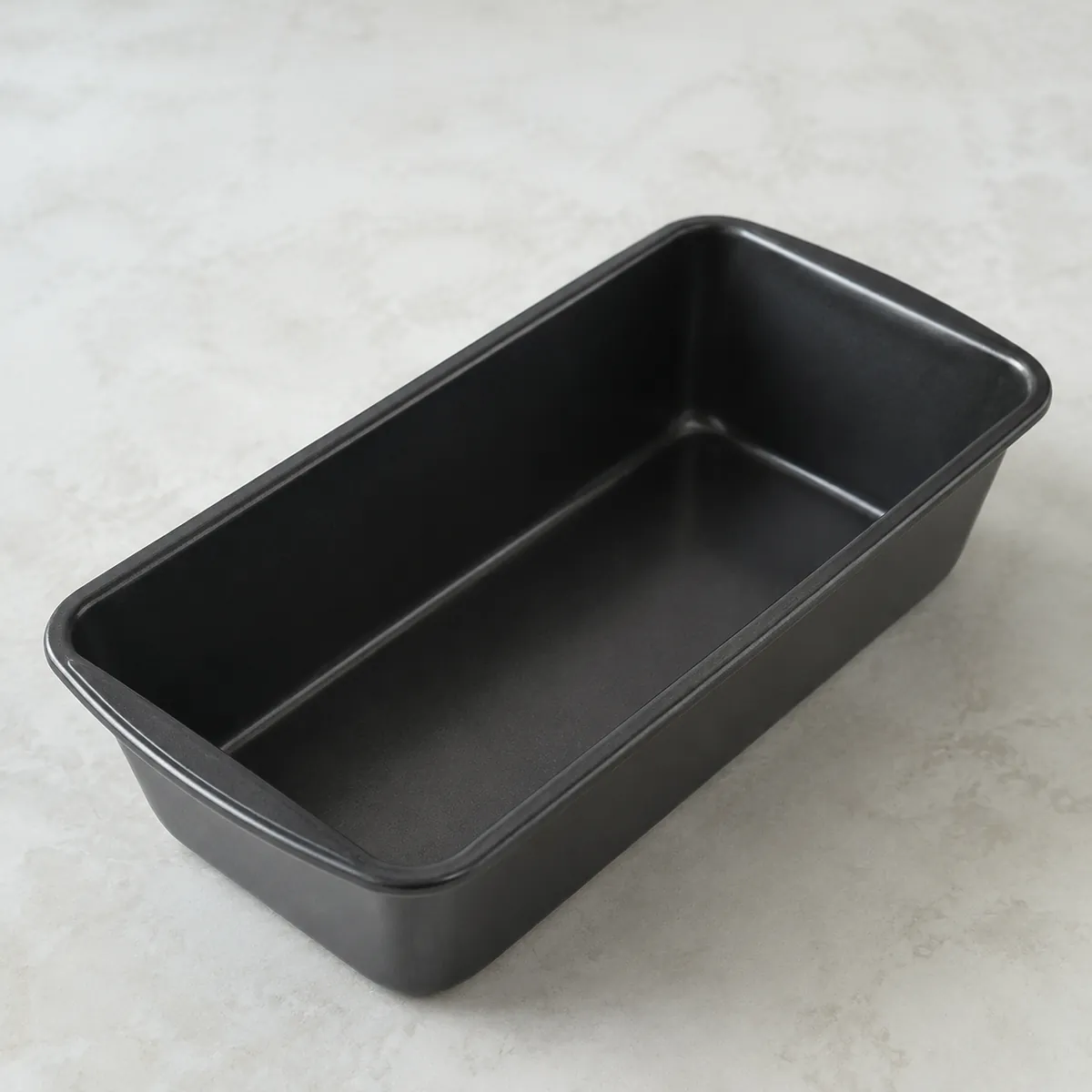
The second failure is product mix. Holiday bakeware buyers over-index on novelty shapes and under-order the boring winners: loaf pans, cookie sheets and muffin tins that appear in every baking recipe. Novelty items sell when they trend and die quickly; core items sell every year. A good seasonal mix balances a stable core with a controlled novelty layer, and the bakeware supplier’s catalogue usually tells you which is which by how long the line has been in production.
The third failure is treating the reorder like a first order. A reorder that arrives after Christmas is worthless for the season, yet buyers routinely place them based on sell-through reports that only become available in late November. The fix is a pre-season commitment model: agree quantities, production slots and price breaks with the supplier before the season, then adjust the mix only within agreed flexibility windows.
What to look for in a bakeware supplier for seasonal programs
Seasonal programs stress different parts of a supplier than year-round programs do. You need production capacity at a specific time of year, fast sample approval, packaging that can carry holiday branding, and the discipline to hold your production slot. Evaluate a candidate bakeware supplier on these five capabilities rather than on price alone.
| Capability | Why it matters for seasonal | What to ask |
|---|---|---|
| Production calendar transparency | Tells you whether your order fits before the season closes | “What is your booking deadline for November delivery?” |
| Tooling and mould inventory | Existing tooling means no tooling lead time for core shapes | “Which of your catalogue shapes have existing tooling?” |
| Sample speed | Holiday packaging and gift sets need approval cycles | “How many days for a pre-production sample?” |
| Packaging flexibility | Seasonal branding, inserts and gift-ready packaging | “Can you print seasonal packaging at the factory?” |
| Reorder discipline | A supplier that holds your slot earns the repeat order | “How do you allocate production slots to repeat buyers?” |
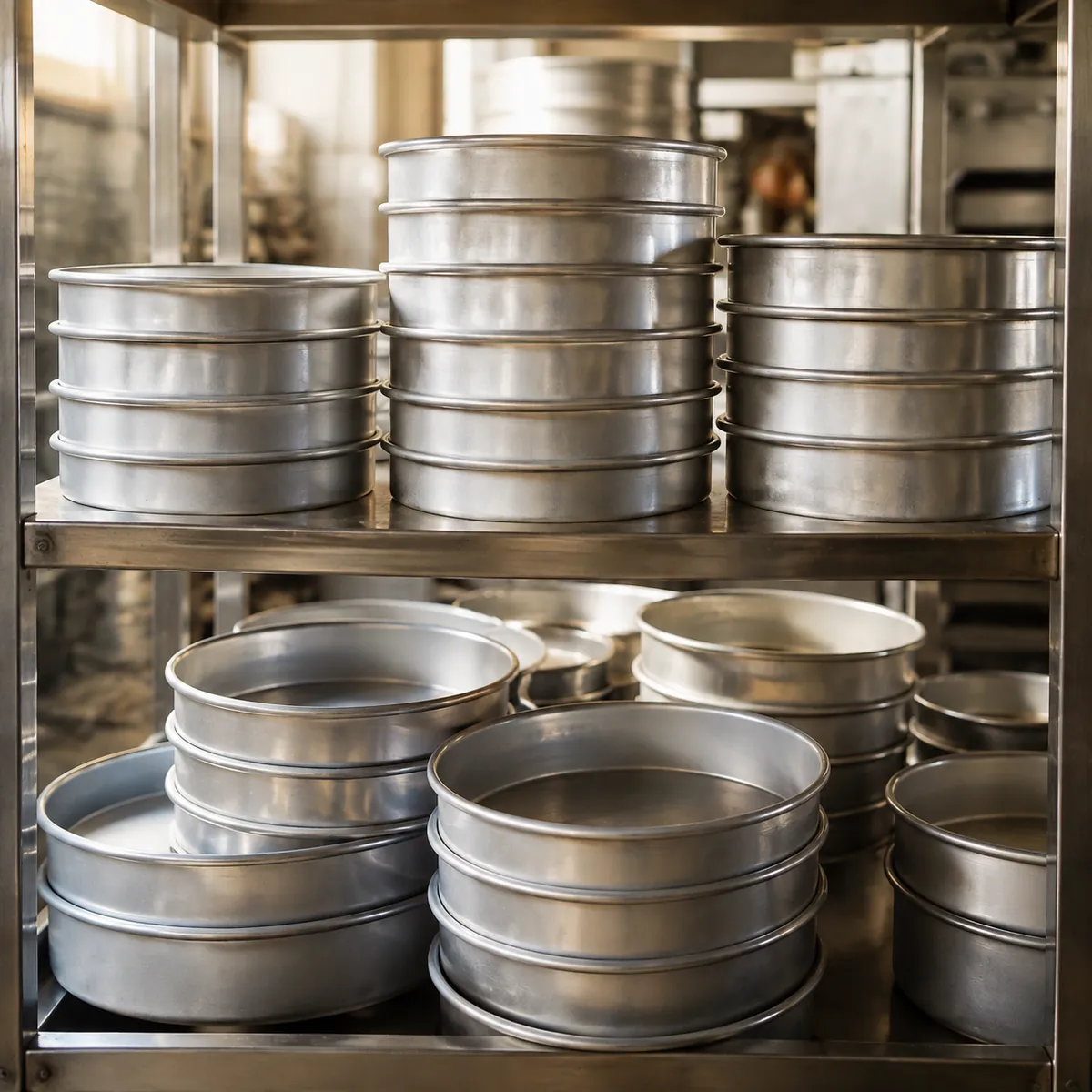
Browse a bakeware product range to see the categories a mature supplier carries: cake pans, loaf pans, muffin tins, cookie sheets, baking dishes and silicone molds. A supplier with a wide standard catalogue is easier to plan with, because standard items come off existing lines and existing tooling, which shortens lead times and reduces tooling risk for a seasonal program.
Building the holiday product mix
The holiday bakeware mix splits into three layers. The core layer is the everyday products that get used more during baking season: loaf pans, cookie sheets, round cake pans and muffin tins. These should be ordered in depth and are usually safe to commit to early. The festive layer is seasonal shapes and sizes: larger formats for family gatherings, gift sets, and items with holiday-ready colours. This layer carries more risk and should be ordered to a conservative forecast. The accessory layer is small-ticket items that lift basket size, such as silicone spatulas, baking cups and oven mitts, which are often sourced from the same factory to keep freight simple.
A practical mix ratio used by many retail buyers is roughly 60-70 percent core, 20-30 percent festive, and 10 percent accessories. That ratio protects margin when a novelty item disappoints. The exact numbers depend on your channel — a specialty kitchen retailer can carry more festive depth than a grocery chain — but the principle holds: never let the festive layer exceed what you can sell in the season without markdowns.
FAQ: How far ahead should I order holiday bakeware?
Answer: Work backwards from the season: allow production lead time, sea freight, customs clearance and warehouse receipt before your launch date. For a November-December selling season in the UK or US, most buyers place firm orders between May and July, with production running August to September and shipment in September-October. A first-time seasonal program needs the longest runway because samples and approvals add weeks.
MOQ, tooling and commitment planning
Seasonal lines change the MOQ conversation. A year-round line can be ordered in small batches and reordered as sales data comes in. A seasonal line cannot, because the production window closes. That means your first commitment has to cover the whole season’s demand, and the MOQ per SKU, per colour and per packaging design all multiply into a number you must hold in inventory.
Tooling is the hidden cost of festive shapes. A new cake pan shape requires a mould, and mould development adds weeks and a one-time cost that has to be spread across the seasonal volume. If the shape is a one-season experiment, the tooling cost may never pay back. Experienced buyers ask the supplier which catalogue items already have tooling and design the festive layer around those items first, adding new tooling only for products they intend to run for multiple seasons.
Commitment planning should also cover packaging. Holiday gift sets often need custom printed boxes, inserts and ribbon, and packaging tooling and print minimums behave like product minimums. Confirm whether the bakeware supplier handles packaging in-house or coordinates a print partner, because a packaging delay can push the whole program past the season.
Reorder planning that actually works
A reorder during the season is only possible if the supplier has capacity left and the logistics chain can still deliver before the season ends. Plan for three scenarios before the season starts. Scenario one: sell-through matches forecast and no reorder is needed. Scenario two: a core SKU sells faster than forecast and you need a mid-season replenishment, which usually means air freight or a partially expedited sea shipment; agree the trigger point and the cost in advance. Scenario three: the festive layer underperforms and you need markdown protection, not more stock.
Many wholesale programs build the reorder discussion into the original contract: a committed base volume, an option volume with a fixed price, and a decision date by which the option must be exercised. This gives the supplier visibility to hold capacity and gives the buyer flexibility without paying peak-season prices twice. It is a normal structure in kitchenware sourcing, and it fits seasonal bakeware better than a single all-or-nothing PO.
Packaging and branding for the holiday shelf
Holiday bakeware competes on the shelf and online with gift appeal. Retail-ready packaging matters: a bakeware item that can sit on a shelf with its own printed carton sells better and reduces repackaging labour. For gift sets, the unboxing experience carries the brand, so inserts, recipe cards and seasonal colours all justify their cost when they lift average order value.
When you brief the supplier on packaging, be specific about the retail environment: barcode placement, product visibility, whether the carton must survive e-commerce shipping, and the recycling labels required in your market. A printed carton that looks great in a store but arrives crushed to an online customer creates returns, so the packaging spec has to match the fulfilment channel, not just the shelf.
Working with the supplier through the season
Seasonal programs succeed on communication cadence. Set a review schedule with the bakeware supplier: a pre-season kickoff, a production checkpoint while your batch runs, a shipping checkpoint, and a post-season review that feeds next year’s plan. At each checkpoint, confirm quantities, dates and any changes in writing. Suppliers juggle many seasonal customers; the buyer who communicates early and clearly gets the better service, and the buyer who changes everything at the last minute absorbs the risk.
It is also worth pairing bakeware with adjacent gift categories to spread freight and risk. Many holiday retail programs combine bakeware with drinkware gift bundles for the festive table; custom drinkware programs are handled by specialists such as Frozl, while your bakeware supplier focuses on the bakeware half of the set. The sourcing logic stays the same: separate specialist suppliers, one combined shipping plan. For the wider festive assortment, browse the full kitchenware product range to see which giftable lines fit your retail calendar.
Stock programs versus made-to-order: which fits a seasonal launch
A bakeware supplier can work with you in two broad modes, and seasonal buyers often need a mix. A stock program means the supplier holds standard catalogue items in its own warehouse or runs them regularly, so you can order smaller quantities and reorder more freely; the trade-off is less customisation and less control over the design. A made-to-order program means the factory produces your specification, your branding and your packaging to order; the trade-off is the MOQ, the lead time and the commitment. Holiday programs typically use made-to-order for the festive layer and stock items for the core, which is exactly why a wide standard catalogue is such an advantage in seasonal buying.
| Dimension | Stock program | Made-to-order |
|---|---|---|
| MOQ | Lower, per batch | Higher, per production run |
| Lead time | Short, reorderable | Longer, calendar-bound |
| Customisation | Limited to existing items | Your spec, branding, packaging |
| Seasonal risk | Low, can test small | Higher, commit early |
| Margin potential | Standard | Higher with own brand |
The strategic point for holiday retail: run the core layer as a stock or lightly customised program, and reserve made-to-order for the festive layer where your brand story lives. That split keeps the risk where the upside is.
Worked example: planning a holiday bakeware program month by month
To see the calendar in action, take a UK retail buyer planning a November-December holiday bakeware launch with a made-to-order festive layer. In January, the buyer reviews the previous season’s data and picks the festive theme. In February, the buyer and supplier agree the product mix, tooling needs and packaging direction. In March, samples for the festive shapes are approved and the packaging artwork is briefed. In April, packaging samples arrive and the artwork is frozen. In May, firm orders are placed for the core and festive layers, with an option volume agreed for the best-selling SKU. Production runs from June to August, and the container ships in September. The stock arrives in October, is received and staged, and sells through November and December. The option volume decision date lands in early November, when early sell-through data is available.
| Month | Action |
|---|---|
| January | Review season data, pick festive theme |
| February | Agree mix, tooling and packaging direction |
| March | Approve festive samples, brief artwork |
| April | Freeze artwork, approve packaging samples |
| May | Place firm orders, agree option volume |
| June-August | Production and QC |
| September | Shipment |
| October | Receive, stage, launch |
| November | Exercise or drop the option volume |
| December | Season peak, review early |
Every step in that calendar has a deadline that depends on the previous one, which is why the calendar is built with the supplier, not around the supplier. If your supplier cannot name its booking deadline for the season, that is the first thing to fix before any order volume is discussed.
Common mistakes in holiday bakeware buying
The recurring mistakes are worth listing because they are cheap to avoid. Ordering too late is the most common: the production window fills, and the buyer either misses the season or pays for air freight. Over-ordering novelty shapes is the second: the festive layer is ordered to an optimistic forecast, and the leftover stock eats the margin. Under-ordering core items is the third: the safe, boring items sell out and the reorder cannot arrive in time. Ignoring packaging minimums is the fourth: the packaging print run pushes the effective MOQ higher than the product MOQ. Skipping the sample round is the fifth: the festive shape arrives with a design flaw that a pre-production sample would have caught.
Each mistake has a process fix: book the calendar early, forecast the festive layer conservatively, commit core depth in advance, treat packaging as part of the MOQ, and never skip the sample stage. None of these are clever; they are discipline, and discipline is what separates the seasonal programs that print money from the ones that warehouse it.
Pricing and freight planning for seasonal orders
Seasonal pricing has its own logic. Prices rise as the season approaches because factories shift to smaller, faster runs and buyers compete for the same capacity. Locking the price with the early commitment is part of the value of booking early. Freight follows the same pattern: peak-season ocean rates climb in the months before the holiday window, and air freight becomes a premium escape hatch. Plan the freight booking with the forwarder at the same time as the order, and compare the landed cost of an early sea shipment against a later, faster one — the earlier shipment is usually cheaper even with extra warehousing.
FAQ: Should I air-freight a late holiday bakeware order?
Answer: Only if the margin survives it. Compare the landed cost of air freight against the revenue the stock will generate in the remaining selling window, and include the cost of any stock left over. For many programs, a smaller sea shipment that arrives on time beats a large air shipment that arrives late.
Working with samples and the approval cycle
The sample round is where a seasonal program is won or lost, because every approval step consumes calendar time. Plan three sample stages explicitly. The first is the stock sample: the supplier’s standard product from an existing line, which tells you whether the base quality, materials and finish match your expectations before any customisation. The second is the pre-production sample: your specification, your branding, your packaging, made on the line that will run your order. This is the approval that freezes the product. The third is the production sample from the actual batch, pulled at the start of production and checked against the approved pre-production sample.
Each stage has a checklist and a decision deadline. For bakeware, check dimensions against the spec, coating finish, edge and rim construction, packaging fit and print quality, and the overall look against the artwork. Photograph the sample, share the photos with your team, and record the approval in writing. A buyer who approves samples quickly keeps the production slot; a buyer who lets approvals drift loses it to another customer. The approval cycle is part of the commitment, and it deserves the same discipline as the MOQ.
If the pre-production sample does not match expectations, fix it before production, not after. Sample corrections cost a few days; batch corrections cost a season. Write the correction into the timeline and re-approve before the line starts.
Coordinating the seasonal program with freight and finance
The bakeware program touches two functions that are easy to forget until the season is close: freight and finance. Freight planning sets the arrival window, and peak-season space is booked weeks ahead, so confirm the booking with your forwarder at the same time as the order, not when the production batch is ready. Finance planning sets the payment terms: seasonal programs usually involve deposits, progress payments and a balance against shipping documents, and the cash flow has to fit the season’s revenue cycle, not the other way around. Confirm the Incoterm and the payment schedule in writing, and model the cash position through the season before committing the volume. A bakeware program that clears finance and freight early is a program that can actually arrive on time.
Frequently Asked Questions
What is the typical lead time for holiday bakeware orders?
Allow roughly 45-90 days for production depending on volume, tooling and packaging complexity, plus 30-45 days for sea freight to most Western markets. Confirm the exact dates with the supplier, because the production calendar fills up in August-October.
Should I order novelty shapes or stick to core bakeware for the holidays?
Order both, but weight the mix toward core items that sell every season and limit novelty to a controlled layer you can mark down. Core items like loaf pans, cookie sheets and muffin tins carry the margin; novelty items carry the excitement and the risk.
Can a bakeware supplier hold my production slot before I confirm the order?
Some can, if you commit a base volume and agree a decision date for the remainder. Ask about option-volume arrangements during the booking conversation, and get the arrangement in writing.
How does tooling cost affect a seasonal bakeware program?
New moulds add a one-time cost and lead time. Prefer catalogue items with existing tooling for the festive layer, and only invest in new tooling for shapes you expect to run across multiple seasons.
What packaging questions should I ask before ordering holiday bakeware?
Ask who prints the packaging, the print minimums, barcode placement, e-commerce shipping durability, and which recycling labels are needed in your market. Packaging is part of the MOQ, so plan it in the same commitment.
Holiday bakeware rewards planning and punishes impulse buying. Start the conversation with your bakeware supplier in spring, lock the core mix early, protect the festive layer with conservative forecasts, and structure the reorder as an option you can exercise or drop. If you are building a seasonal bakeware program and need a supplier who can talk production calendars, tooling and packaging in the same call, send your target mix and quantities through our contact page — we will confirm what fits and what needs a longer runway.