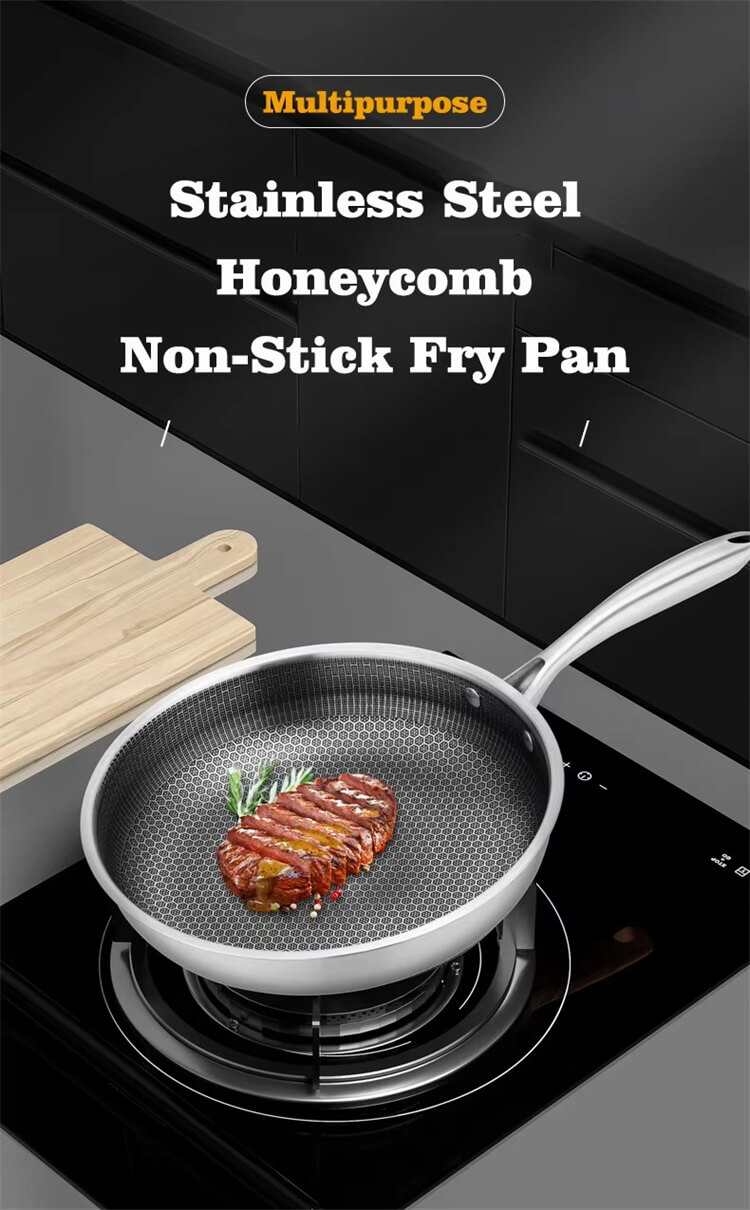
Before you choose a cookware manufacturer, verify three production lines: aluminum, stainless steel, and cast iron. A factory that can explain how each line works, which gauges it runs, and where the coating and QC steps happen will deliver a more predictable order than one that says yes to everything. This guide covers what to look for on each material line, what questions to ask, and how to check a factory’s real capabilities before you commit.
Why Capability Checks Beat Sales Promises
Cookware manufacturing looks simple from the outside: metal blanks become pots and pans. The reality is that each material requires different machines, tooling, and skills. A factory that makes excellent stainless steel pots may have no experience with cast iron seasoning or non-stick coating lines. When a factory claims to do everything, ask to see the line, not just the catalog.
Aluminum Cookware Line: What to Check
Aluminum is the most common cookware material for mid-range and budget lines because it conducts heat well and is easy to form. Check the gauge (thickness) range the factory runs, usually 2.0-3.0 mm for die-cast pans and 1.5-2.5 mm for stamped bodies. Confirm whether they do die casting, stamping, or both, and whether the coating line is in-house or outsourced.
Non-stick coating: the make-or-break step
Ask which coating system they use and how many layers it includes. Common options include PTFE-based coatings and ceramic coatings. Confirm the coating brand, the number of layers, and the surface preparation process. A poor base coat or rushed sandblasting causes peeling that shows up months later as customer returns.
Induction compatibility
Aluminum is not magnetic, so induction-ready aluminum cookware needs a stainless steel or magnetic base plate attached to the bottom. Ask whether the factory can add induction bases and how they attach them, because this affects both cost and durability.
Stainless Steel Cookware Line: What to Check
Stainless cookware is a different skill set. The factory must handle sheet stainless steel, bonding of aluminum or copper cores, and polishing. Confirm the stainless grades they work with, usually 201, 304, or 316 for food contact, and whether they offer tri-ply or clad construction or only single-layer.
| Construction | Heat distribution | Typical price level | Best for |
|---|---|---|---|
| Single layer | Uneven | Budget | Basic pots and stockpots |
| Aluminum disc base | Better at base | Mid | Frying pans, saucepans |
| Tri-ply clad | Even across walls | Premium | Chef-grade sets |
| Copper core | Excellent | Premium | High-end lines |
The descriptions above are typical market characteristics; exact performance depends on thickness and construction quality, so confirm details with the supplier.
Polishing and finish
Ask about the finish options: mirror, brushed, or matte. Each requires different polishing capacity. A factory with limited polishing lines may quote long lead times for mirror finishes.
Cast Iron Line: What to Check
Cast iron is the least forgiving line to evaluate. Check whether the factory does its own casting or buys castings from a foundry. If they buy castings, that is normal, but confirm who handles seasoning, enameling, and QC, because those steps determine the final quality.
Seasoned vs enameled
Seasoned cast iron needs consistent oil curing; enameled cast iron needs a frit and firing process. Ask to see samples of both and check the enamel finish for thin spots, chipping risk, and color consistency across pieces.
Questions to Ask Every Cookware Manufacturer
Use this list as your baseline. The answers should be specific, not generic.
- Which material lines do you run in-house: aluminum, stainless, cast iron?
- What gauge or thickness range do you produce for each line?
- Is the non-stick coating line in-house or outsourced?
- Do you offer tri-ply or clad stainless construction?
- Can you add induction bases to aluminum cookware?
- What is your QC process at incoming, inline, and final stages?
- What certifications or test reports can you share for food-contact materials?
- What is your MOQ per SKU for each production line?
- What is the typical lead time for a first order?
Quick check: Is one factory for all materials always better?
Not necessarily. Splitting your order between two specialists can reduce risk, but it doubles your coordination work. A single factory works best when it can show real lines for each material, not just catalog pages.
FAQ: Cookware Manufacturer Capabilities
What is the difference between die-cast and stamped aluminum cookware?
Die casting pours molten aluminum into a mold, which allows thicker walls and complex shapes. Stamping presses a flat sheet into shape, which is faster and cheaper for simple pots and pans. The right choice depends on your product design and price point.
Do I need a factory that can do tri-ply stainless?
Only if your range includes premium stainless cookware. Tri-ply requires bonding lines that many factories do not have. If you do not need it, a factory with disc-base capability may be more cost-effective.
How do I verify a cookware factory’s claims?
Ask for production videos of each line, request samples, and consider a video call with the production manager. For larger orders, a third-party factory audit or pre-production inspection adds independent verification.
What certifications should a cookware manufacturer have for export?
For food-contact cookware, check material test reports and the compliance documents your target market requires, such as EU food-contact rules or US FDA-relevant documentation. Confirm which documents your market needs before asking the factory for them.
Pilot Order Strategy: Start Narrow
The safest way to test a cookware manufacturer is a narrow pilot order: one material line, two or three SKUs, and a clear QC checklist. A pilot order that covers only one line keeps the variables manageable, so if something fails you know exactly where the problem is. It also gives the factory a chance to learn your specifications without the pressure of a full container.
During the pilot, track three things: dimensional consistency across pieces, coating adhesion on the first production batch, and the packing quality that arrives at your door. Ask the factory for the same inspection reports they will provide on repeat orders, and compare them with what a third-party inspector finds. If the two match, you have found a reliable partner. If they differ, you have learned where the risk sits before it cost you a full shipment. Keep the pilot results in a simple spreadsheet so you can compare the second order against the first with numbers, not impressions.
Final Recommendation
Shortlist factories by material line, verify each claim with samples and video, and place a pilot order on one line before expanding your range. Capability is easier to verify than to repair after a bad container.
If you are defining a cookware range and want to check your specification against real production options, send us your target materials and quantities. Request a quote or contact us on WhatsApp — we will point you to the right production line questions and realistic lead times.
Browse our cookware products and stainless steel products collections to see the categories and finishes our partners produce.