Stock both, but plan them for different customers. Glass bakeware sells to home cooks who value seeing the food brown and easy cleanup; metal bakeware sells to anyone baking cookies, sheet cakes or bread, where even heating and durability matter more than looks. The mistake is treating them as interchangeable — they have different price points, different breakage risk in shipping, and different repeat-purchase patterns.
Why Glass Bakeware Has a Loyal Retail Following
Glass baking dishes earn their shelf space on visibility. A lasagna or casserole cooked in a borosilicate glass dish lets the customer see the browning from the sides, which is a genuine selling point for home cooks who check doneness visually. Most retail glass bakeware is made from tempered soda-lime or borosilicate glass, which handles normal oven heat and moves from oven to table without drama. Borosilicate glass tolerates wider temperature swings, which is why it is the common choice for oven-to-fridge recipes and for export markets where kitchens vary.
Glass also cleans easily and does not react with acidic foods such as tomato sauce, a detail worth mentioning when you pitch the category to retailers. The trade-offs are real: glass is heavier, costs more to ship, and can shatter from thermal shock or a hard drop, so packaging design matters more than for metal.
What Metal Bakeware Does Better
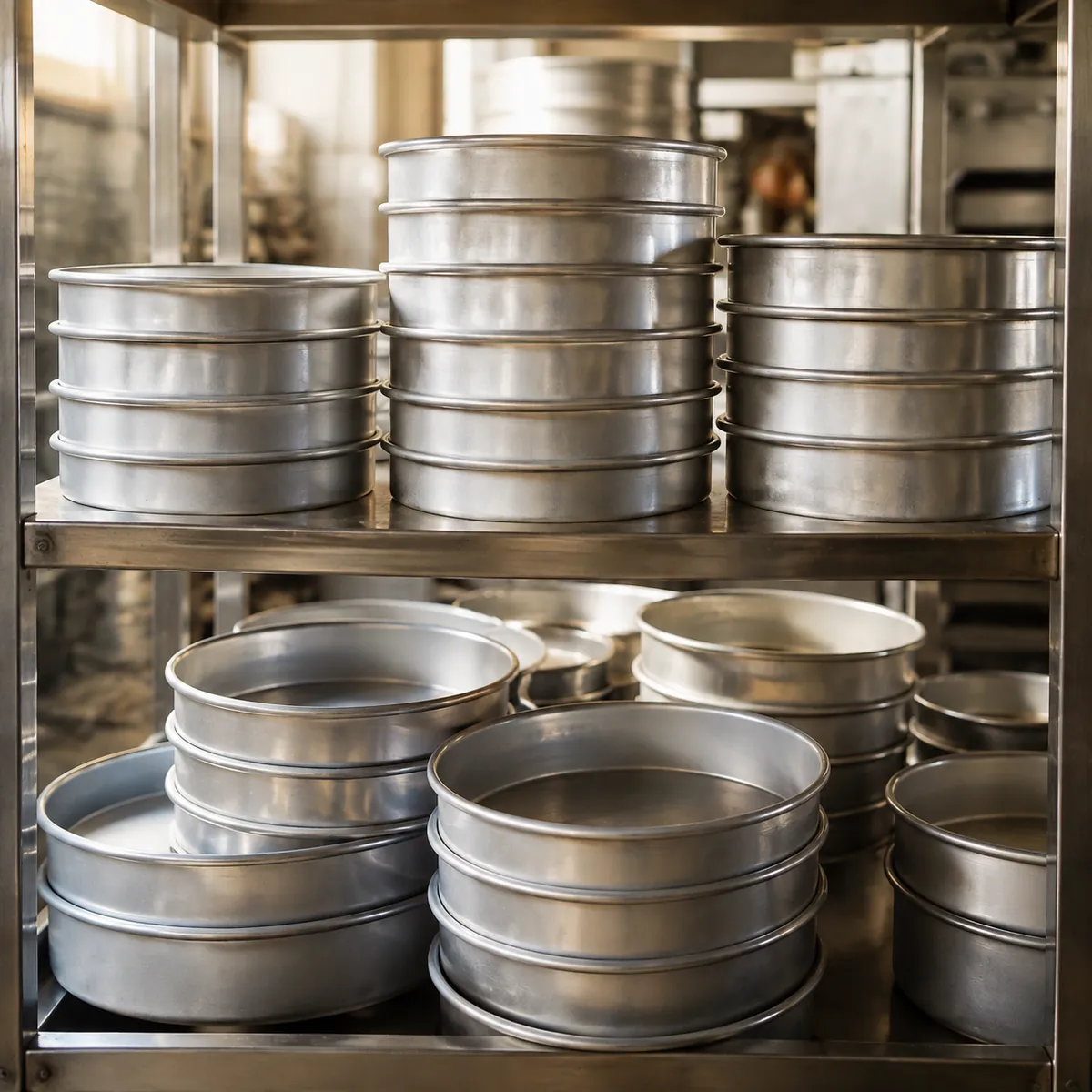
Metal pans — aluminum, carbon steel, stainless steel with an encapsulated base — win on weight, price and heat response. Aluminum heats and cools quickly, which gives better browning control for cookies and sheet cakes. Metal is also much cheaper to ship per piece and far more resistant to breakage in transit, which keeps your damage claims low when retailers reorder in bulk.
That shipping advantage is not trivial. A container of metal trays carries more sellable pieces than the same volume of glass dishes, and your landed cost per unit stays lower. For entry-level retail sets and promotional pricing, metal bakeware is usually the backbone of the range.
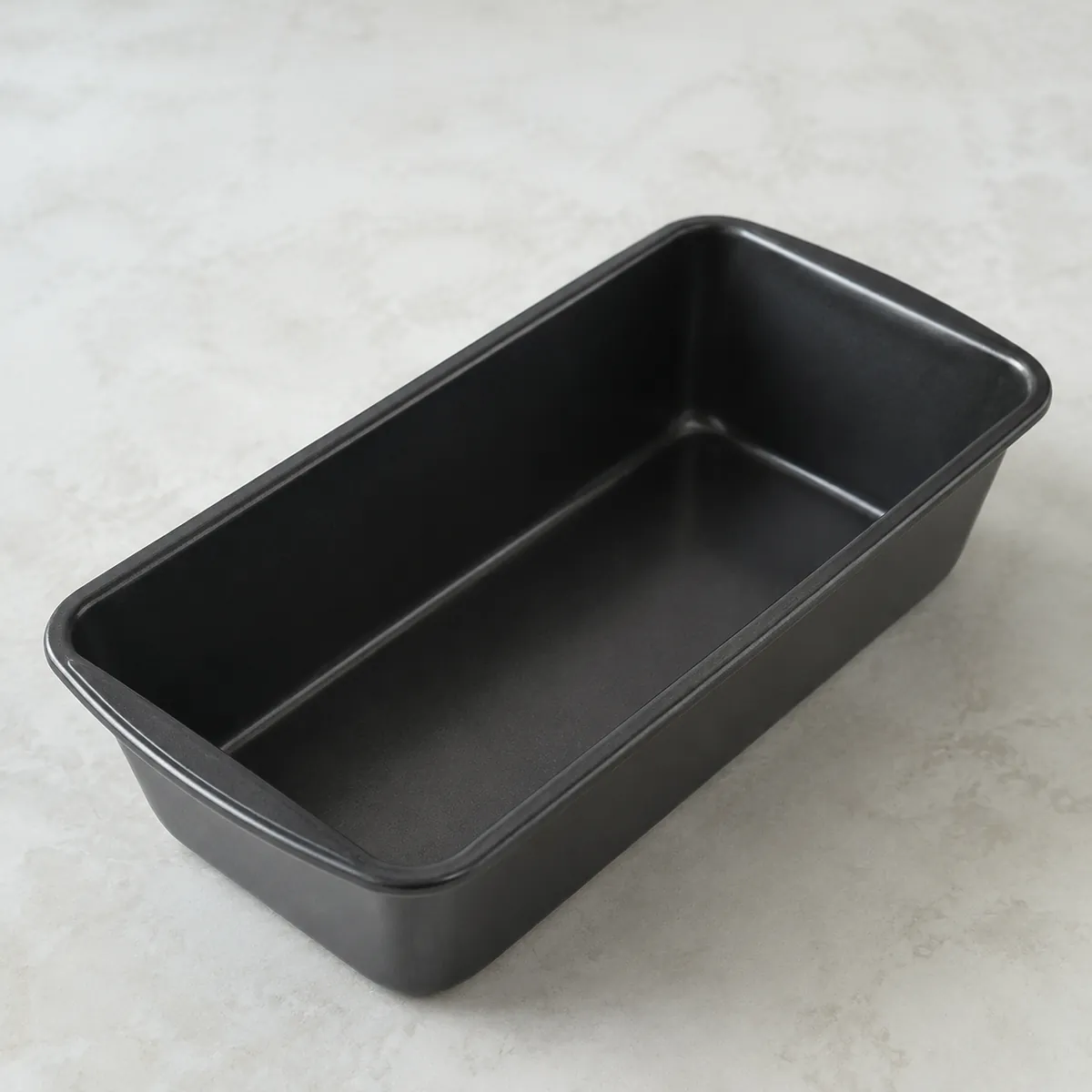
The main downside: metal bakeware does not show the food, so it relies on the brand and the recipe story to sell. Non-stick coated metal pans sell better at retail than bare aluminum, but the coating adds cost and its own care instructions.
Glass vs Metal Bakeware: Side-by-Side for Wholesale Buyers
| Factor | Glass | Metal |
|---|---|---|
| Heat behaviour | Slow to heat, holds heat long, good for casseroles | Fast and even, better for cookies and sheet cakes |
| Weight and shipping | Heavy, higher freight cost per piece | Light, lower freight cost per piece |
| Breakage risk | Shatters on impact or thermal shock | Dents rather than breaks |
| Acidic foods | Non-reactive | Aluminum may react; coated or stainless options avoid this |
| Retail price point | Mid to premium | Entry to mid, premium with coatings |
| Best retail fit | Oven-to-table, gift sets, premium lines | Everyday bakeware, sets, promotion |
How Breakage Changes Your Packaging and Claims Budget
If you import glass bakeware, budget for breakage in two places: transit and the retail shelf. Corrugated boxes with fitted dividers and edge protection are the minimum; foam inserts or molded pulp are safer for long ocean freight. Confirm with the supplier whether the box is designed for export cartons or only for domestic retail, and ask for a drop-test record if the volume justifies it.
With metal bakeware, the risk flips from breakage to scratching and coating damage. Nesting trays need interleaving paper or edge protectors, and coated pans should not rub against each other in the carton. These details decide whether your first container arrives shelf-ready or becomes a claims exercise.
Which One Should You Lead With?
For a first order, metal bakeware is the lower-risk bet: lower landed cost, fewer transit surprises and a faster-selling entry price point. Add glass later as a second tier — casserole dishes and oven-to-table sets — once your retail channel proves it can move mid-priced items. If you are supplying hotels or food service, the balance shifts the other way: commercial kitchens buy more metal for volume baking, but glass casseroles are common for restaurant prep and display.
Whatever you lead with, ask the supplier for breakage and damage experience on the exact SKU and packaging you plan to order. A supplier who has shipped the same dish to your region can usually tell you what works.
Material Specs to Confirm on the Quotation
Two specifications decide whether the delivered product matches your retail claim: the glass type and the metal gauge. On glass, confirm whether the dish is tempered soda-lime or borosilicate, and get the maximum oven temperature and thermal-shock rating in writing. On metal, the gauge (thickness) of the pan body is the number that controls even heating and durability — a thin pan warps in the oven and disappoints the end customer, while an unnecessarily thick pan raises your cost and freight.
| Spec | What to Ask | Why It Matters |
|---|---|---|
| Glass type | Tempered soda-lime or borosilicate | Determines thermal-shock resistance and oven range |
| Metal gauge | Exact thickness in mm (e.g., 0.5, 0.7, 1.0 mm) | Controls warping, even heating and unit cost |
| Coating | Coating type and food-contact documentation | Affects retail claims and destination market compliance |
| Dimension tolerance | Outer size and rim height in mm | Affects oven fit, stacking and set packing |
A quotation that lists these specs without prompting is a good sign; one that answers only after three emails is a warning that the factory has not standardized its own product. For a retail line, you want the specs to be repeatable order after order, not improvised per inquiry.
FAQ
Is glass bakeware safe in the oven?
Most retail glass bakeware is labeled oven-safe, but safe temperature ranges differ. Borosilicate glass typically handles higher and wider temperature swings than tempered soda-lime glass. Confirm the maximum oven temperature on the product label and check the box with the supplier before you import.
Does metal bakeware cook food unevenly?
Bare aluminum and carbon steel pans can develop hot spots in some ovens. Commercial-grade pans are usually made with thicker gauge material or an encapsulated base to spread heat. For retail, a medium-gauge aluminum pan with even thickness is a reliable choice for most home baking.
Which material is cheaper to ship wholesale?
Metal, clearly. It is lighter and stackable, so you fit more pieces per container and pay less freight per unit. Glass dishes need protective packaging that also adds weight and volume.
Can I combine glass and metal in one wholesale range?
Yes, and most suppliers can quote a mixed container. Combining them lets you cover the oven-to-table segment with glass and the everyday baking segment with metal, but keep the packaging specs separate so breakage and scratch claims are easy to trace.
If you are building a bakeware range and want a practical mix of glass and metal for your market, send us your retail price points and target quantities — we can recommend which SKUs travel well and confirm packaging options. Request a quote for bakeware or message us on WhatsApp with your plan.