The best way to choose a kitchenware supplier is not a perfect audit — it is a small, well-structured first order that tests everything at once. A trial order with a few SKUs, approved samples, staged payments and an inspection point gives you real evidence about price stability, communication, quality and delivery, all for a fraction of the risk of a full container commitment.
This guide lays out a first-order trial strategy for buyers choosing a kitchenware supplier: what to test, how to structure the order, and how to read the results before you scale.
Why a trial order beats a bigger bet
Every kitchenware supplier looks good in a quotation. The differences that matter — consistency across batches, packaging quality, how they handle changes, whether lead times hold — only show up when real goods are produced and shipped. A trial order is deliberately small enough to absorb mistakes and structured carefully enough to reveal them.
It is also a communication test. Watch how the supplier handles your small order: response speed, document quality, sample accuracy, and how they report problems. That behavior is a better predictor of the long-term relationship than any sales call.
What to test in the first order
| What to test | How | What good looks like |
|---|---|---|
| Sample accuracy | Order pre-production samples and compare against your spec | Dimensions, color, finish and packaging match the brief |
| Quality consistency | Buy 2–3 SKUs, not one | Similar quality across SKUs, not one good line and one weak line |
| Lead time honesty | Record promised date vs actual ready date | On time, or a clear early warning if delayed |
| Packaging and labeling | Review the carton, inner pack and label sample | Matches retail requirements; no damaged goods in transit |
| Communication | Track response time and documentation | Answers in writing, documents on request |
| Defect handling | Note any defect found at inspection or arrival | Fast, fair resolution without argument |
Keep the trial to a small number of SKUs — two to four is usually enough. More SKUs spread your volume thin and make it harder to judge whether a problem is the product, the factory or your own specification.
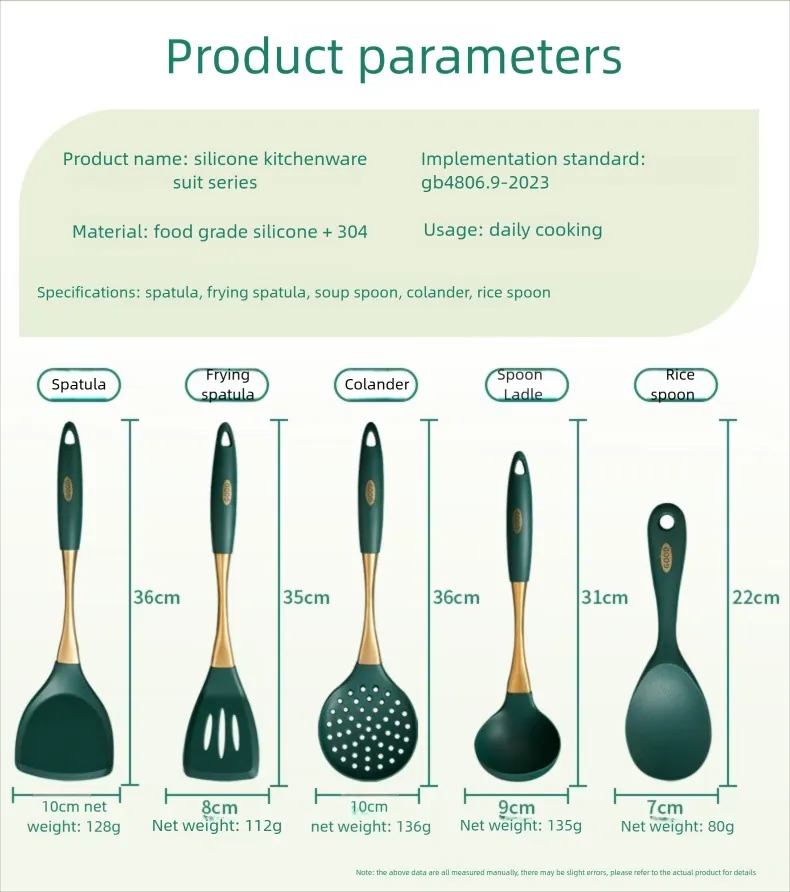
Choose the trial SKUs deliberately. Pick one product that is core to your line, one that tests a process you care about (custom color, custom packaging, printed logo), and one that is simple enough to serve as a baseline. That combination tells you more about the supplier than three similar items ever would — you see quality on a standard product, execution on a customized one, and consistency across both.
Structure the trial order carefully
A trial order should use the same commercial discipline as a big one:
- Send a written specification sheet with every SKU’s dimensions, material, finish, packaging and label requirements.
- Approve samples in writing before production starts.
- Use staged payments — a deposit at order, a milestone against production, and the balance against shipping documents or inspection pass.
- Set an inspection point if the order size justifies it, or request a production photo package plus a simple arrival check.
- Record everything: quotes, approvals, changes and delivery dates in one file.
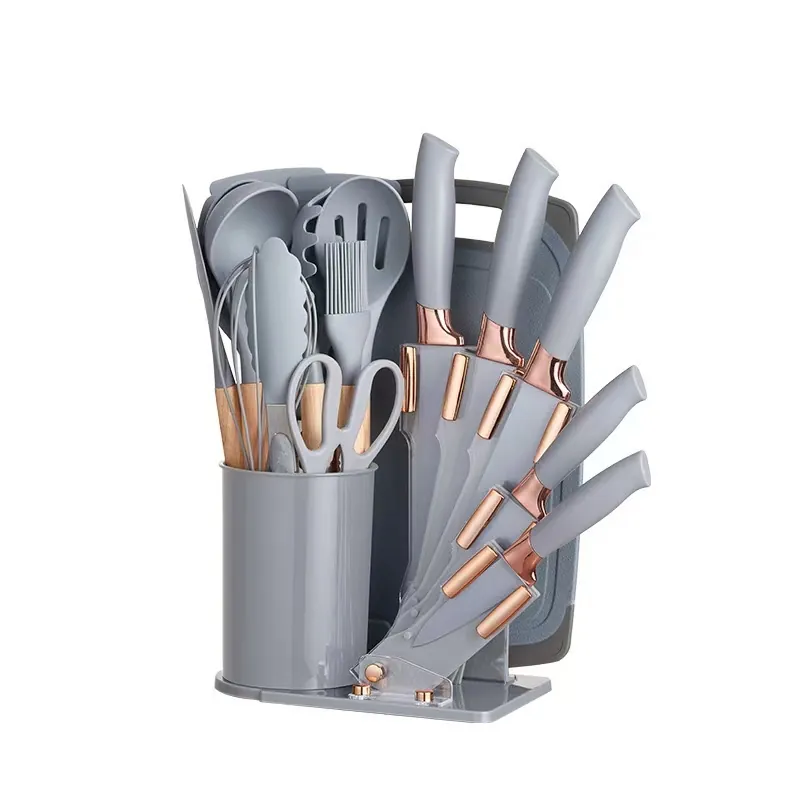
The sample round deserves its own budget line. Samples cost money and time, but they are the only way to verify the factory’s real production quality before you commit. Order pre-production samples for each trial SKU — not catalog photos — and compare them side by side against your spec sheet. If the samples are late, poorly packed or inaccurate, that is the same behavior you can expect from a full order.
How small should the trial order be?
Small enough to absorb, big enough to matter. A few hundred units per SKU is a common starting point, but the right size depends on your channel and the factory’s minimums. If the factory’s MOQ is far above your trial budget, ask whether a smaller first run is possible or whether a mixed-SKU order can count toward the minimum.
How to read the results
After the trial order arrives, score it honestly against the table above — not against your hopes. Three results are common:
- Everything passed and lead time held: this is the supplier to scale with. Place the next order with more volume and a longer planning horizon.
- Minor issues with fast fixes: acceptable, but only if the factory owns the problem and the fix is documented. One round of small corrections is normal; a second round of the same problem is a pattern.
- Major defects or silent delays: stop. The trial order did its job. Do not scale a relationship that failed the cheapest test you will ever run with this supplier.
Keep the trial order’s documents — they become the baseline for later orders. When the factory quotes a new price, you can compare against the trial record instead of trusting memory.
If you are choosing between two suppliers, run the same trial structure with both. Identical SKUs, identical spec sheets and identical milestones make the comparison fair, and the differences in sample accuracy, communication and lead time will be visible before either order arrives. Running two small trials is usually cheaper than one wrong full-size commitment.
Common mistakes in the first-order trial
Three mistakes cancel the value of a trial order. First, skipping the sample round to save time — samples are the cheapest production you will ever pay for. Second, changing the specification mid-production and then judging the factory on the changed product. Third, treating the trial as a negotiation tactic instead of a test — a factory that senses you never intended a real order will not show its true colors.
Plan the scale-up before the trial arrives. Decide in advance what “pass” means — for example, samples approved, goods on time, and defects under the level you set — and what volume the next order will be if the trial passes. Making that decision early stops you from over-ordering on enthusiasm or under-ordering out of caution when the container finally lands.
For a practical list of the products you can trial across cookware, bakeware and utensils, the kitchenware products page gives you the standard items to build a first order around.
FAQ
How many SKUs should a first trial order include?
Two to four is usually enough. A small number lets you judge quality, lead time and communication clearly, while a long list spreads your volume thin and muddies the results.
Should I pay in full before the trial order ships?
No. Staged payments — deposit, production milestone, balance against shipping documents or inspection — protect both sides and give you leverage if something goes wrong.
What if the trial order passes but the second order fails?
It happens. Supplier performance can drift with season, staffing or material costs. Use the same inspection and documentation discipline on every order, not just the first, so problems are caught early in the relationship.
Your first order is a test you design, so design it well. Send your trial SKU list through the contact page — specify the 2–4 items you want to test, and the quotation will include sample options, MOQ and lead time so you can plan the trial properly.