If you are sourcing cookware, bakeware or tableware from China, verify five things before your first order: business registration, export experience, sample quality, quality control process and payment terms. Skip any one of them and a delayed shipment or a defective container becomes an expensive lesson.
Most kitchenware factories in China are small and medium manufacturers clustered in Guangdong, Zhejiang and Shandong. Many are capable suppliers. A few are trading companies that present themselves as factories. The goal of verification is not to assume the worst; it is to separate the two before you send money.
What makes factory verification different from product verification
Product verification answers the question “does this item work?” Factory verification answers “can this company actually produce it, inspect it and ship it on time?” A perfect sample proves nothing about consistency across a 1,000-piece order, because batch quality depends on production lines, raw material lots and inspection discipline, not on one polished prototype.
So treat the factory itself as part of the product you are buying. The checks below are cheap compared with the cost of a bad container.
Business documents to request first
Ask every shortlisted supplier for these documents before discussing prices in detail. You are not asking for state secrets; serious factories share this material routinely.
| Document | What it proves | How to verify |
|---|---|---|
| Business license (营业执照) | The company exists and the legal entity name matches | Check the registered name against the bank account name used for payments |
| Export license or export agent confirmation | The company can move goods out of China | Confirm whether they export directly or through an agent, and who signs the export documents |
| Factory address and photos | Where production actually happens | Check the address on the license against the address on their website |
| Existing export records or trade references | They have shipped comparable products before | Ask for product photos from their export history and a client reference you can contact |
| Test reports on similar items | Material compliance on past production | Confirm the report covers the same material and market you are selling into |
A supplier that stalls on these basics may still be legitimate, but it is a warning sign. Move them down the list and talk to the ones that share information openly.
Check the product range, not just the website
Kitchenware factories are usually specialized. A stainless steel cookware factory rarely makes ceramic tableware, and a silicone bakeware workshop is a different operation from a knife forge. Look at the categories they actually produce, then compare that range with what you plan to order.
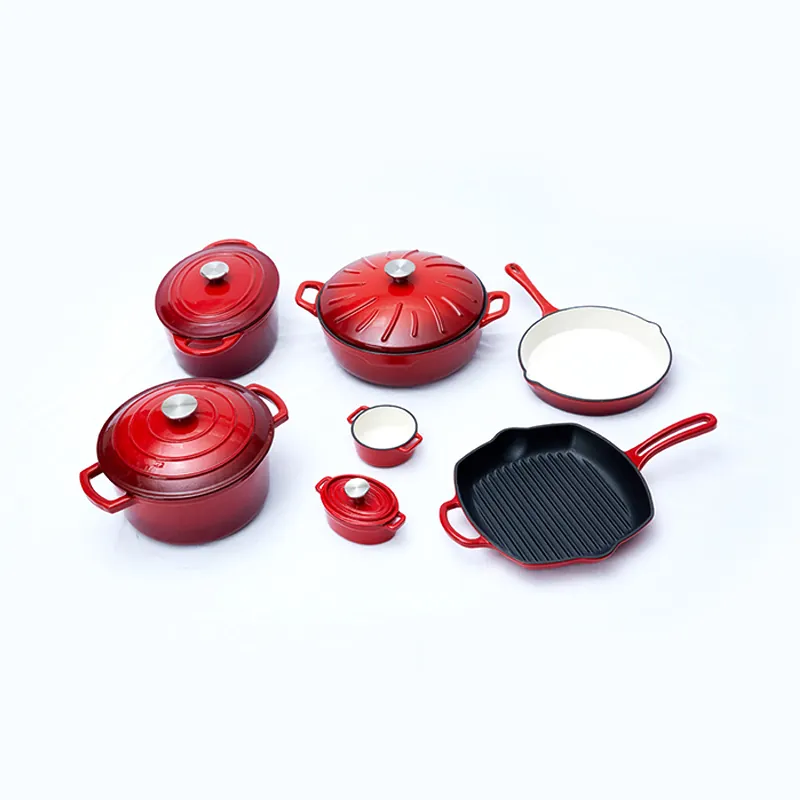
If your plan mixes categories, you have two options: work with separate factories per category, or use one kitchenware supplier that consolidates a compatible range such as cookware products and bakeware from its own lines. Consolidation reduces freight and management overhead, but only if the factory genuinely owns the lines it claims to cover.
Samples: what to ask for before bulk production
Order samples before you negotiate the final price. A sample run reveals how the factory handles small orders, packaging and communication, which is a preview of how they will handle yours.
What a useful sample package includes
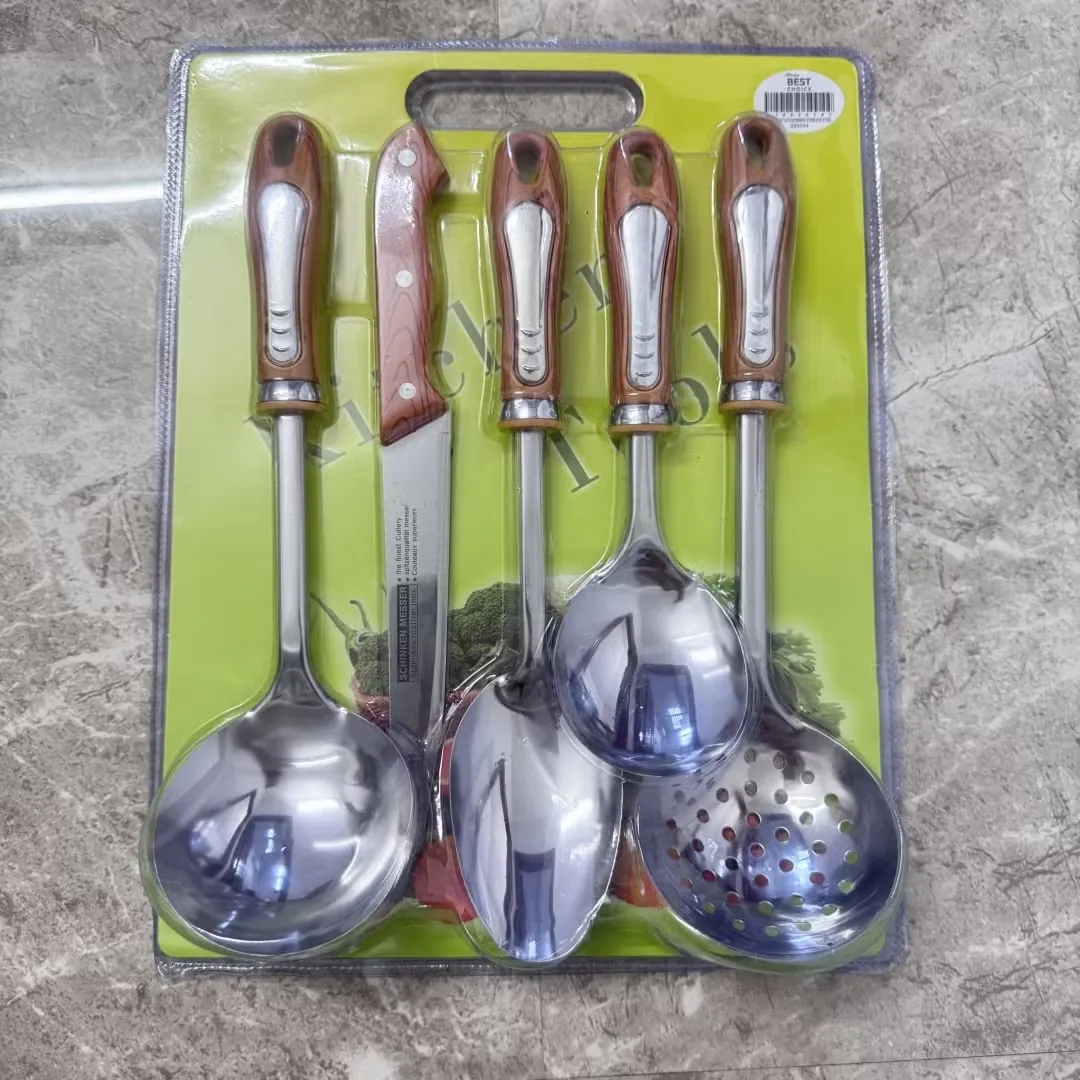
- One piece of the actual product, not a catalog photo.
- The same surface finish and packaging you plan to sell.
- A written spec sheet with material grade, thickness, size and weight.
- Clear sample cost and shipping terms, and whether the sample fee is refundable against bulk orders.
Measure the sample yourself. Compare the stated gauge or weight with what arrived. A 0.6 mm pan that measures 0.4 mm is a red flag that production tolerance will not match your spec sheet.
Factory audit: online and on-site options
A full third-party audit is the strongest verification, but it is not the only option. You can do a useful review remotely:
- Video walkthrough: ask for a live video call inside the workshop, not a pre-recorded clip. Watch for active production, raw material storage and packing areas.
- Third-party inspection: hire an inspection agency to check goods before shipment. For many first orders this matters more than visiting the factory yourself.
- On-site visit: if your order value justifies the trip, visit during production, not after. Check the lines, the warehouse and the QC desk.
Record what you see. Photos, video timestamps and inspection reports become your evidence if a dispute later arises over what was agreed.
Payment terms that protect both sides
First orders usually run on a deposit plus balance structure. Standard practice in the kitchenware trade is a 30% deposit and the balance before shipment or against shipping documents, but terms vary by order size and relationship.
| Term | Typical arrangement | What to confirm |
|---|---|---|
| Deposit | 30% with the order confirmation | The deposit is for raw material purchase; ask what happens if production stops |
| Balance | 70% before shipment or against B/L copy | Which documents trigger the final payment, and who holds them |
| Inspection | Pre-shipment inspection by you or an agency | What happens to non-conforming goods, and who pays for rework |
| Disputes | Negotiation, then contract terms | Put quantity, spec, delivery date and remedy in the purchase contract |
Never pay 100% in advance for a first order. Also never assume that a low unit price compensates for weak QC, because returns and rework are usually more expensive than the saving.
Common mistakes on first orders
- Choosing a supplier purely on price without checking registration or references.
- Skipping the sample step because the deadline is tight.
- Approving production from photos instead of a confirmed spec sheet.
- Paying the balance before the pre-shipment inspection result.
- Ordering a new category from a factory that has never produced it.
The pattern is always the same: the order that fails is the one where verification was traded for speed.
FAQ
How do I know if a kitchenware supplier is a factory or a trading company?
Ask for the business license, compare the legal entity with the production address, and request a live video walkthrough of the workshop. A trading company may still be a fine partner, but you should know which one you are dealing with before you negotiate.
What is the typical MOQ for a first kitchenware order?
MOQs vary widely by product. Simple silicone or plastic items may start around 500 pieces per color, while stainless steel cookware often needs 1,000 pieces or more per SKU. Confirm the MOQ per item and per color before you finalize your range.
Should I pay for a pre-shipment inspection?
For a first order, usually yes. The inspection fee is small compared with the cost of unpacking a container of defective goods. Many importers arrange it themselves so the inspector reports to the buyer, not the supplier.
What documents do I need for importing kitchenware into the EU or US?
You typically need the commercial invoice, packing list, bill of lading and a certificate of origin, plus material compliance documentation such as food-contact test reports where the market requires them. Confirm the exact requirements with your freight forwarder and customs broker for your destination country.
How long does a first order take from confirmation to shipment?
Lead times usually range from 30 to 60 days for cookware and bakeware, depending on material availability, decoration and packaging. Ask for the lead time in the quotation and get a promised shipment date in the contract.
Verification is the part of sourcing that pays for itself. If you are ready to compare factories for your next kitchenware range, send us your product list and target markets, and we will confirm what we can produce, inspect and ship before you commit. Contact our sourcing team or start a quote request on the contact page.