A kitchenware sample set is an information purchase: you are paying to learn what the factory can actually produce before you commit to bulk. The number of pieces matters less than the logic behind them. One perfect sample tells you almost nothing about consistency; a set that covers your key variants tells you how the factory handles the differences that will shape your bulk order — size, finish, decoration and packaging.
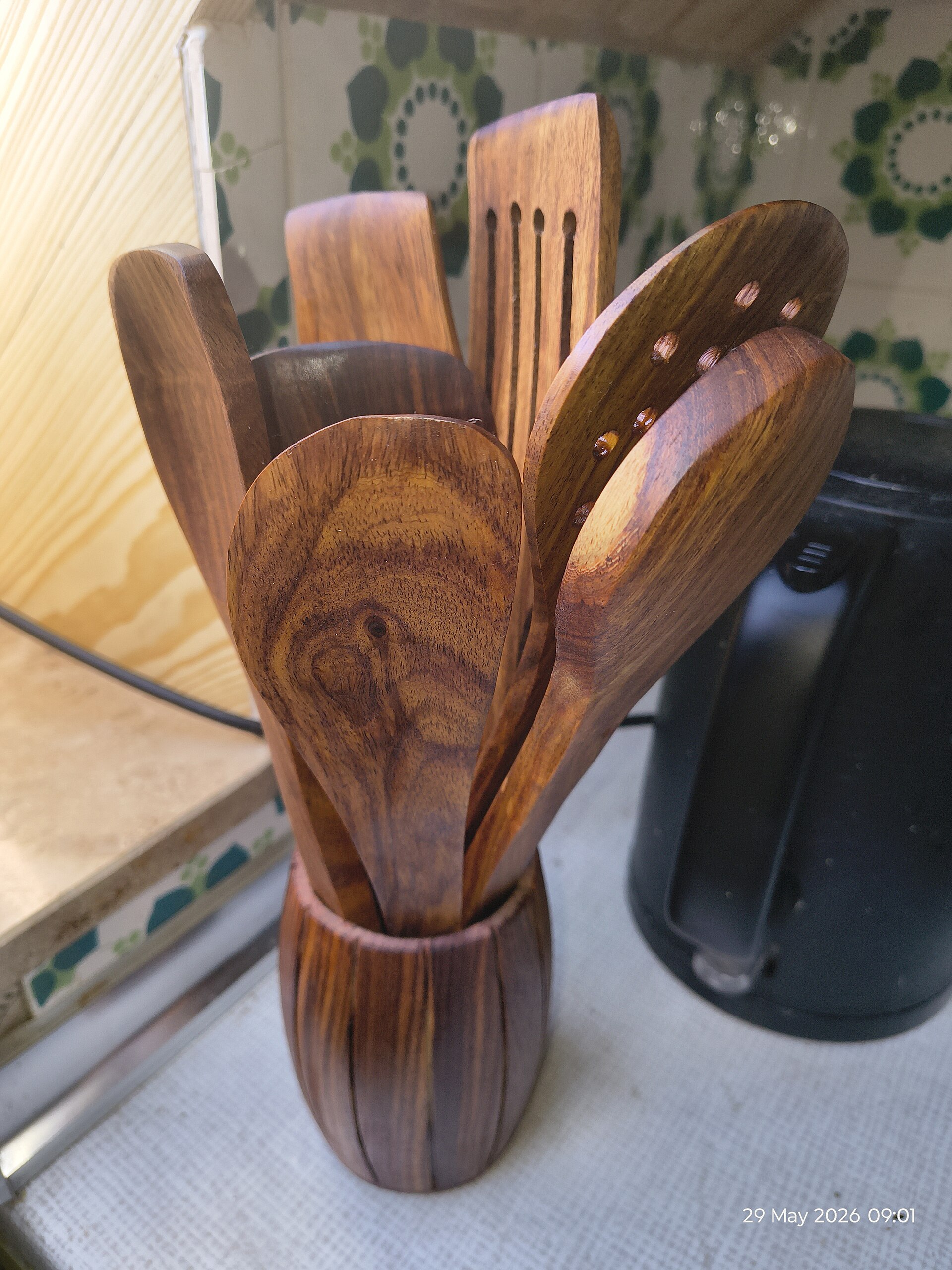
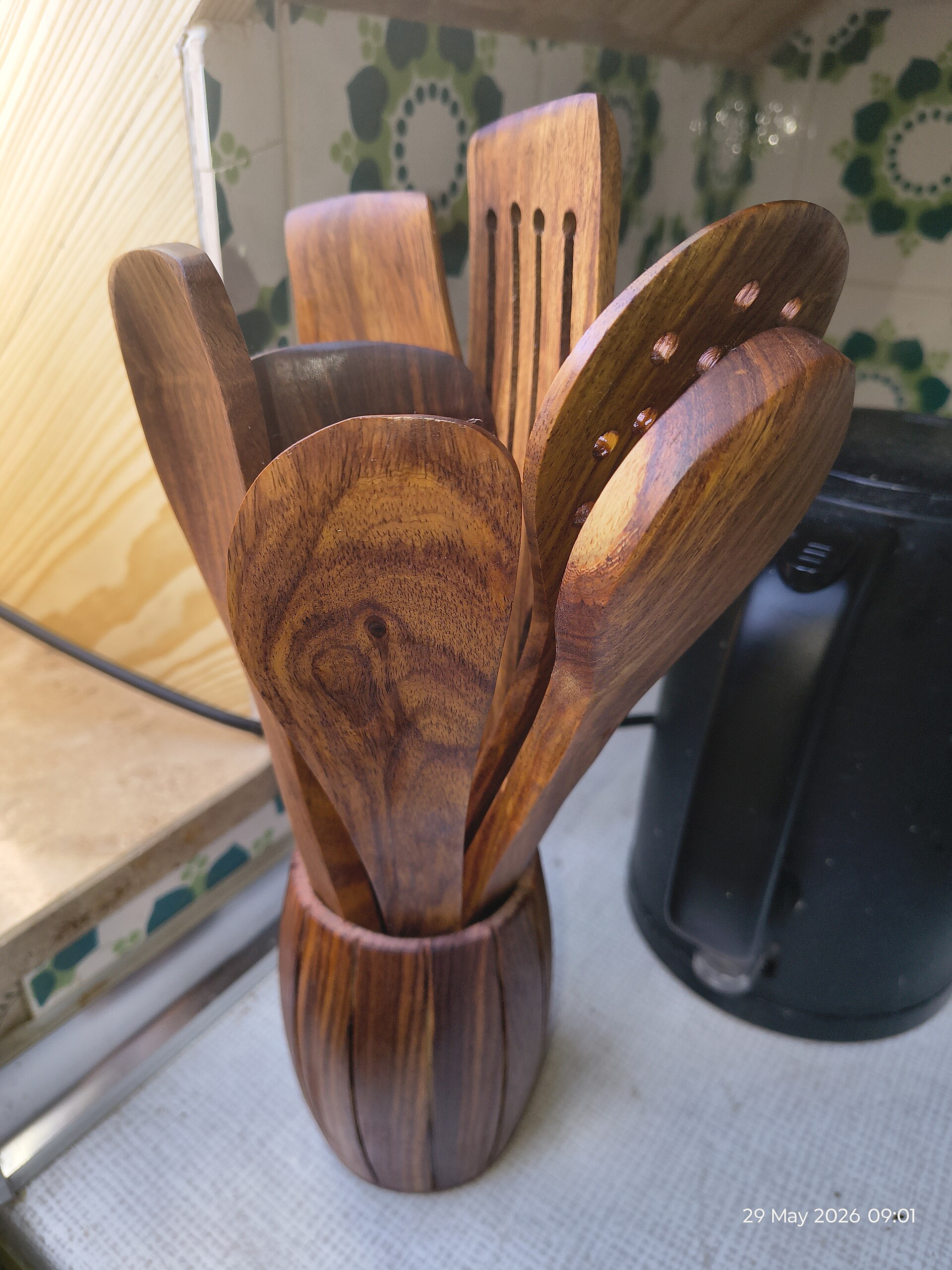
Ask for samples that answer specific questions, not a random selection of the factory’s best sellers. The sample set should mirror the structure of your bulk order at a smaller scale.
How to decide the sample count
There is no universal number, but the count should grow with the complexity of the order:
- One catalogue item, no decoration: two to three pieces is enough to judge finish consistency.
- One item with multiple sizes in your range: one piece per size, plus an extra of the flagship size.
- Custom decoration or colour: at least two decorated samples to check colour and print consistency.
- Multiple product types in one program: at least one sample per product type, even if the bulk quantity varies.
If the budget is tight, spend it on the risky variants rather than on more copies of the safe one. A coating colour that might drift matters more than a plain handle you have seen a hundred times.
Which variants the set should cover
| Variant dimension | What it tests |
|---|---|
| Size in the range | Proportions, handles and lids scaled correctly |
| Finish and colour | Colour match to your reference and consistency across pieces |
| Decoration or logo | Print position, durability and colour accuracy |
| Material or coating option | Performance difference before you commit to one option |
| Packaging configuration | Fit, protection and presentation for your retail or wholesale pack |
Each variant you plan to sell in bulk should appear in the sample set at least once. If a variant is missing, you are approving the bulk order on faith for that item.
What to check when the samples arrive
Measure the samples against the specification, not against your memory of the photos. Weigh the piece and compare it with the stated weight, check the dimensions against the drawing, and test the moving or closing parts — lids, handles and any mechanism. Compare the samples with each other to judge consistency, and photograph each one with the order reference so the record is usable later.
For coated or decorated pieces, check the sample after a realistic use simulation: washing, heating where the product allows, and normal handling. A coating that blisters after one wash will not survive your customer’s kitchen.
The written approval: what to record and send back
The sample round only protects the bulk order when the approval is written. Send the factory a short approval record that names the samples received, the check results, and any corrections required before bulk production. If some samples are approved and others are not, say so per item — a blanket “samples received” message leaves the factory free to interpret which version you accepted.
- Order and sample reference numbers.
- Per-item result: approved, approved with corrections, or rejected.
- Measurements and weight where they matter.
- Photos attached to the record.
- Deadline for corrections before the production date.
How to use the sample round to test the factory
The sample process is also a test of communication. Notice how the factory handles your feedback: whether they acknowledge the corrections, ask useful questions, and deliver the revised sample on the promised date. A factory that struggles to manage three samples will struggle more with a full container. The sample round is your cheapest opportunity to see how the relationship will work at scale.
How Kitchenware Sourcing manages sample approvals
Kitchenware Sourcing coordinates kitchenware sample sets for buyers before bulk production: the team agrees the sample list with the factory so it covers the order’s key variants, checks the received samples against the specification, and prepares the written approval record with photos and measurements. Exact sample scope depends on the product range and order size, so confirm the sample plan with the Kitchenware Sourcing team before the factory produces the set.
See Kitchenware Sourcing’s sample approval process or send your product range through the contact page.
Frequently Asked Questions
How many samples should I order from a kitchenware factory?
Base the count on your variants: at least one per product type and per size in your range, with extras for decoration or finish risks. Two to six pieces is common for a first custom order.
Should I pay for samples?
Usually yes — sample costs and courier fees are normal in kitchenware sourcing. What matters is that the paid sample matches the specification you will order in bulk.
What if the sample is good but the bulk order is different?
That is what the written approval record prevents. Confirm the approved reference in writing, check the bulk batch against it during production, and inspect before loading.
Do I need a sample for every colourway?
If colour accuracy matters, yes — at least one sample per colour or a colour panel approved before production. Colour drift is a common claim, and the approved physical reference is the evidence that settles it.
Ask Kitchenware Sourcing to plan your sample set — the team will map the pieces to your variants and prepare the approval record.