The fastest way to turn a good kitchenware supplier into a bad one is to skip onboarding. Before your first purchase order, you should already hold a folder with the supplier’s company documents, product test reports, sample approvals, QC terms and payment details. Collecting these items in week one costs you almost nothing; collecting them after a shipment lands wrong can cost you a full container.
This onboarding checklist works for first-time factories and for existing suppliers you have not ordered from in a while. It is written for buyers of cookware, bakeware, tableware and stainless steel kitchen products, and it assumes you are working with a factory or a trading company that will eventually produce or pack goods for you.
The documents to collect first
Start with the paperwork that proves the company exists and can legally export. You do not need to verify every document with a lawyer on day one, but you do need to see them and store copies with dates.
| Document | What it tells you | Why it matters |
|---|---|---|
| Business license | Legal name, registered address, business scope | Confirms you are contracting with the real entity, not a shell |
| Export license or trading qualification | Right to export goods | Needed for customs clearance and export paperwork |
| Bank details in the company name | Beneficiary matches the license | Protects against payment to mismatched accounts |
| Food-grade test reports | Material and migration results for food-contact items | Required for many retail and import markets |
| Trade references or export history | Past customers and markets | Shows the factory has shipped similar goods before |
| Price list with validity dates | Current pricing and how long it holds | Prevents surprise price changes mid-negotiation |
Ask for these in one request, not one email at a time. A serious supplier sends a company profile with most of this attached. If the supplier hesitates on basic documents like the business license or a dated price list, that is a signal to slow down — not necessarily a deal-breaker, but a reason to ask why.
Samples and pre-production approval
Samples are the second pillar of onboarding. Order a representative sample set before you commit to a production order, especially for products with custom colors, logos or packaging. Review each sample against your specification sheet: dimensions, weight, material feel, handle sturdiness, coating surface, packaging quality and any printed artwork.
Keep the approval record formal. A simple email stating “sample approved for production as received, dated [date]” prevents arguments later about what was agreed. If you change the design after approval, request a revised sample — a change in the drawing is not the same as a change in the physical product.
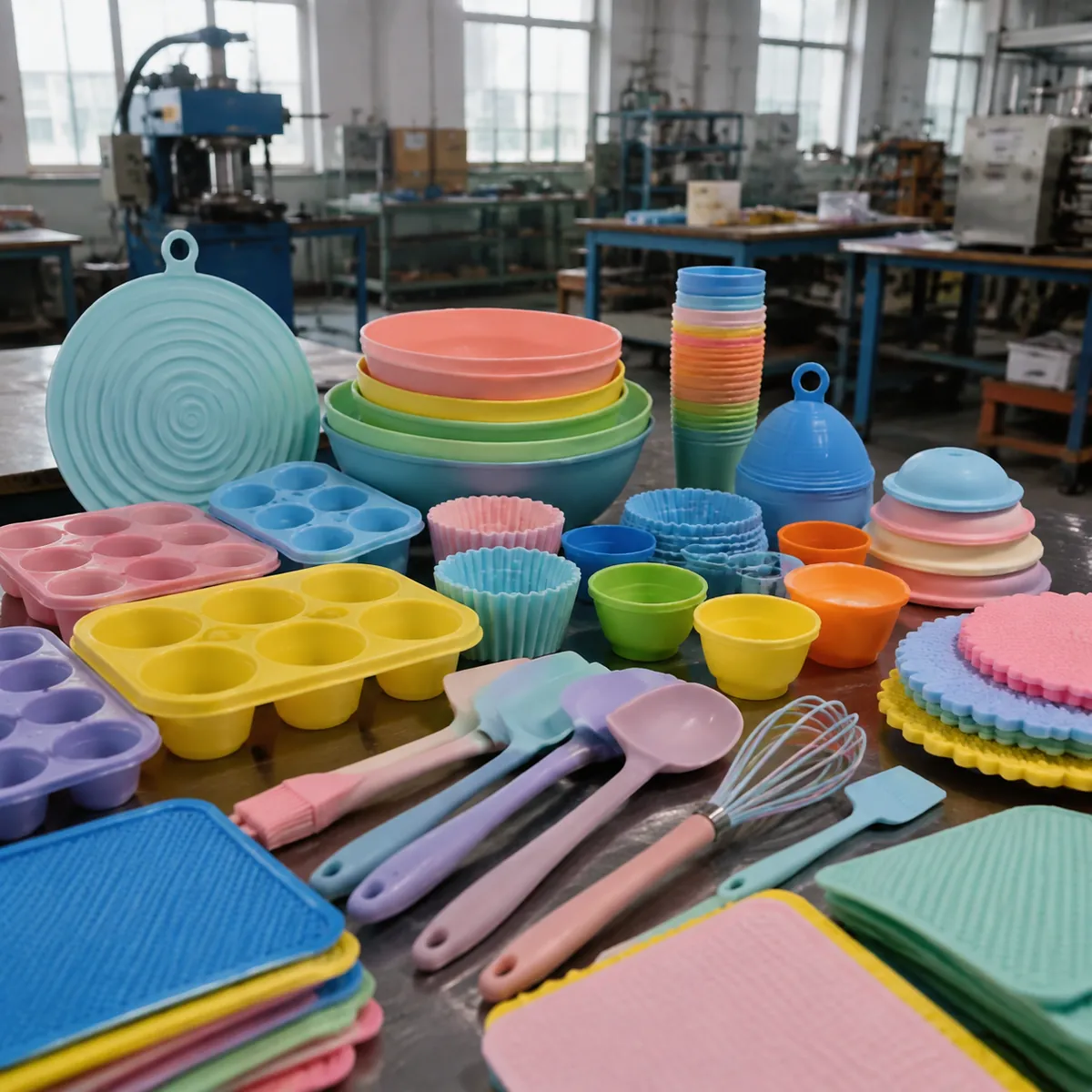
When you request samples, be specific about what you are testing. For cookware, that means body thickness, handle attachment, coating coverage and lid fit. For bakeware, check dimensions, rim strength and whether the item stacks with the rest of your line. For tableware, look at glaze consistency, rim chips and color matching between pieces in a set. Write the checkpoints for each category into your spec sheet so the sample review is a comparison, not an impression.
What if the supplier sends samples that do not match the catalog?
Treat it as a warning. Small color differences are normal; wrong dimensions, wrong materials or different packaging are not. Ask for an explanation in writing and request corrected samples before you approve anything for production.
QC terms and inspection setup
Before the first PO, agree in writing on the quality standard: acceptable defect levels, inspection stage (inline, pre-shipment, or both), who pays for inspection, and what happens when a batch fails. You do not need a 20-page QA contract for a first order, but you need answers to these four questions on paper.
- Which inspection standard applies — for example AQL sampling or a simple pass/fail check agreed with the supplier?
- What is the replacement or refund process for defective goods found after arrival?
- Who provides the inspection report — the factory, a third-party agency, or your own inspector?
- What is the cut-off date for reporting arrival defects?
Many buyers also collect a production photo package during onboarding: photos of the factory floor, the packing area and the specific lines that will run their order. These photos are not proof of quality, but they establish what the supplier’s operation looks like and give you comparison material for later orders.
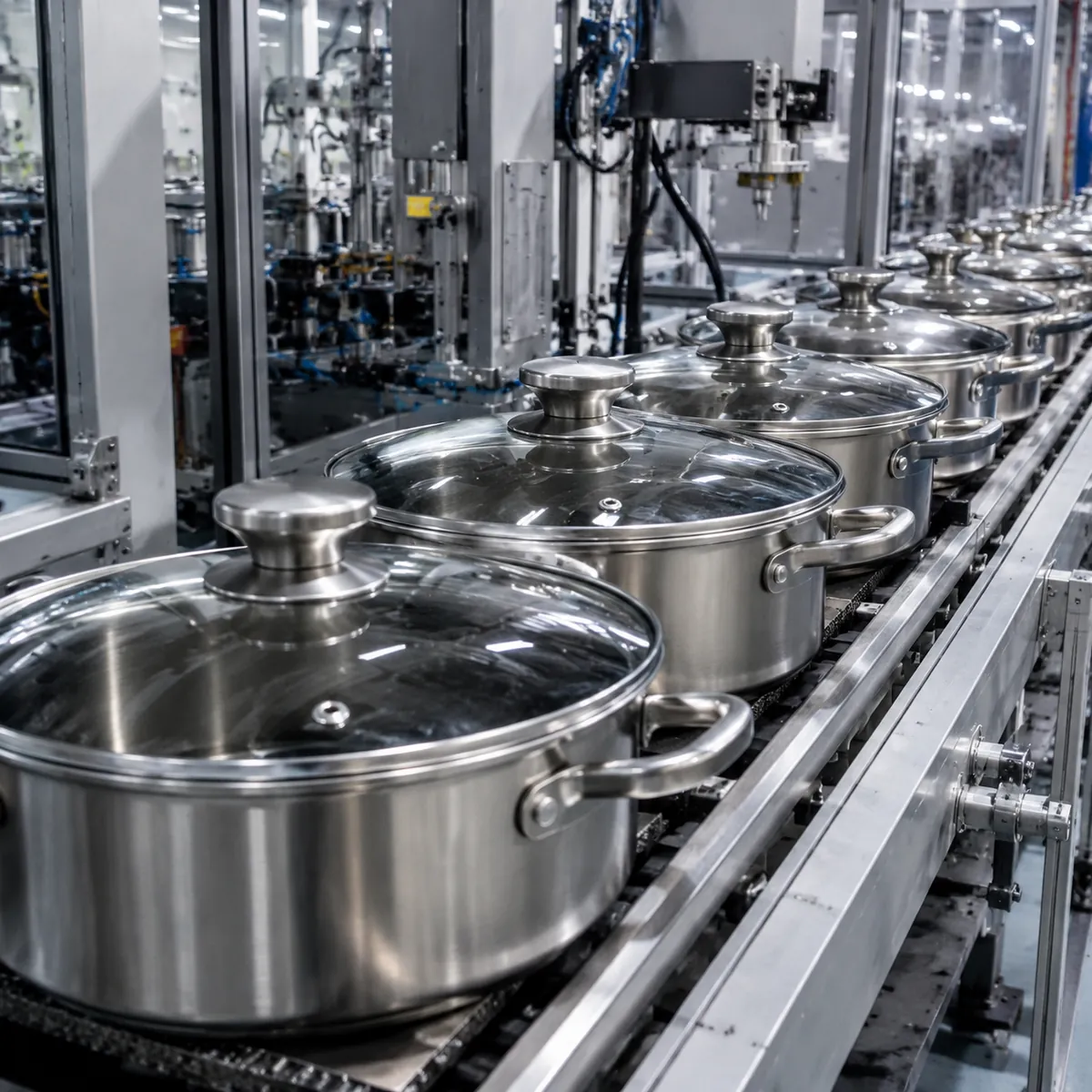
Keep the onboarding file organized from day one. A simple shared folder with subfolders for documents, samples, QC terms and correspondence means you can answer a customs question or a retail compliance request in minutes instead of searching email threads. When you add a second supplier later, use the same folder structure — comparing two suppliers is easier when their records live side by side.
Payment terms and communication rules
Payment terms belong in onboarding because they define your cash flow risk. Common arrangements start with a 30% deposit and balance payment against shipping documents, but terms vary by product, order size and relationship. Whatever you agree, make sure the payment schedule is tied to verifiable milestones — sample approval, production start, inspection pass, bill of lading — not to vague dates.
Agree on communication basics too: a single point of contact, response time expectations, and how changes are recorded. Kitchenware production involves many small decisions — handle colors, carton sizes, label positions — and suppliers that document changes reliably are easier to work with than suppliers that only answer questions verbally. The same onboarding discipline applies when you extend into drinkware or barware categories — drinkware suppliers like Frozl run the same document-and-sample sequence for their custom lines.
Onboarding in one week: a simple sequence
- Day 1–2: request company documents and a dated price list.
- Day 2–3: shortlist 2–3 SKUs and request samples with a written specification.
- Day 3–5: review samples, check against your spec, request corrections if needed.
- Day 5–6: agree QC terms, payment schedule and inspection points in writing.
- Day 6–7: approve the sample set and issue the first PO with clear delivery dates.
This sequence does not guarantee a perfect first order, but it catches most problems while they are still cheap to fix. For a fuller picture of what to look for on the product side, browse the kitchenware products page and use its specification ideas as a starting point for your own brief.
FAQ
How long does kitchenware supplier onboarding take?
For a first order, a focused week is realistic if the supplier responds quickly. The document collection takes a day or two, samples add a few days, and QC and payment terms can be agreed while samples are in transit.
Should I request test reports during onboarding or later?
During onboarding. Food-grade test reports are needed for pricing, retail approval and customs in many markets, so ask for them early and check that the report covers the exact product and material you plan to order.
Can I onboard a supplier without visiting the factory?
Yes. Video calls, document checks, samples and third-party inspections cover most of the risk for small first orders. A physical visit is still valuable before large or highly customized orders.
Once the paperwork is in order and the samples are approved, the next step is pricing your first order against your target market. Send your product list and spec sheet through the contact page to get a dated quotation with lead times, and keep the onboarding folder handy — you will reference it for every order after this one.