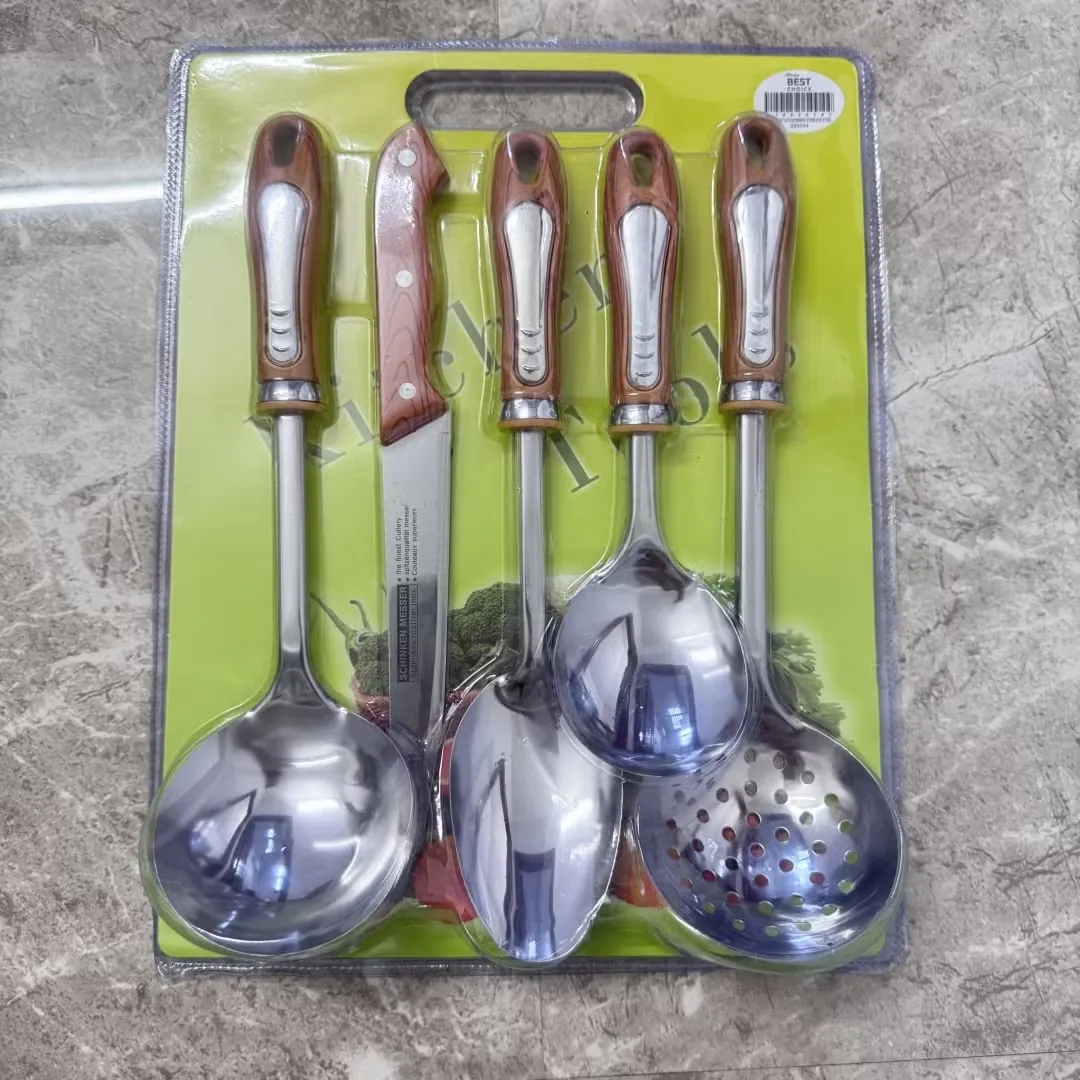
Check three things and you can usually tell a kitchenware supplier from a trading company: the business license scope, the product line depth, and how pricing behaves. A real manufacturer focuses on one or two categories, has a production floor you can verify, and prices that move with raw material and process cost. A trading company can look identical on paper, but its pricing is a markup on someone else’s factory, and its answers on quality and capacity are borrowed. This guide shows the quick checks, the document trail, and when a trader is still a reasonable choice.
Why the Difference Matters for Your Order
The gap shows up when something goes wrong. If a batch fails inspection, a manufacturer can rework or explain the process because it controls the line. A trading company has to go back to its own factory, and you may not even know which one that is. Prices, lead times and certificates all sit one level further from your control. For repeat kitchenware programs — especially cookware, bakeware and utensils where food-contact compliance matters — knowing who actually makes the product is part of your risk management, not a formality.
That said, the line is not always clean. Some factories run trading arms for other categories. Some traders operate quality-control staff in the same industrial city. The goal is not to reject every trader, but to know which type you are dealing with before you negotiate.
Quick Checks That Separate Factories From Traders
| Check | Factory signal | Trader signal |
|---|---|---|
| Business license | License shows manufacturing, production address matches the plant you visit | License shows sales or import/export only; address is an office |
| Product range | Deep in one category — many models of the same product type | Very wide range across unrelated categories |
| Factory name in documents | Same name on license, letterhead, PI and shipping marks | Different names across documents, or a brand name instead of a factory name |
| Pricing behavior | Explains cost by material, gauge, coating and process steps | Quotes a flat price and cannot break it down |
| Sample policy | Produces a sample that matches catalog specs, can adjust | Sources a sample from somewhere, limited adjustment ability |
| Video call or visit | Can show the production line and QC area on a live call | Shows a showroom or warehouse, or schedules a call to “the factory” that feels staged |
Run these checks in the first two conversations. You do not need a formal audit to get a strong signal — the license photo and a video call usually settle it.
The Document Trail: What a Real Factory Can Show
Ask for the business license and compare the registered name with the name on the quotation, the proforma invoice, and the export documents you will receive later. A genuine manufacturer can usually produce its food-contact declarations and test reports for the materials it actually processes. It can also name the raw material suppliers it buys from. None of these are secret — they are normal export paperwork, and a serious supplier shares them before you place a large order.
One practical check: ask for photos or a video of the specific production steps for your product type — the stamping, coating or assembly line. A factory that makes what it sells records this easily. A trader often sends generic showroom photos or catalog shots instead.
When a Trading Company Still Makes Sense
Do not rule out traders completely. They add value in specific situations: consolidating small orders from several factories into one shipment, handling products no single factory makes, or managing language and logistics for first-time importers. The risk is not the trading model itself, it is paying factory-level trust for trader-level distance. If you buy from a trader, ask it to name the actual factory, verify that factory independently, and put the factory name on the documents.
For hospitality buyers, kitchenware sourcing often runs alongside dining furniture for the same project. If your order is part of a restaurant or hotel fit-out, you may be coordinating cookware, tableware and furniture in one timeline — a separate track from the supplier question itself, but worth planning together.
What if the factory name on the license differs from the company I am talking to?
Ask for the relationship in writing. Sometimes the seller is a sister company or an export department with a different registered name, which is common and acceptable. The key is that the manufacturing entity can be identified and verified — not that every name matches perfectly.
Buyer Quick Checklist
Before you send an order, confirm the license name matches the quotation, ask which factory produces the exact items, and request a live video of the line. If the answers stay vague, treat that as a trader signal and tighten your inspection plan.
- License scope includes manufacturing; address matches the plant.
- Factory name consistent on the PI, shipping marks and documents.
- Live line video or visit confirms production for your product type.
- Pre-shipment inspection at the stated factory address for first orders.
FAQ: Kitchenware Supplier vs Trading Company
Can a trading company provide factory certificates?
Sometimes, but they are the factory’s certificates, not the trader’s. Ask for the issuing factory name and verify it matches the actual production site. Certificates without a verifiable factory behind them add little protection.
Is it cheaper to buy from a factory directly?
Usually, for large single-category orders, because you remove the trader’s margin. For small mixed orders, a trader’s consolidated shipment can be cheaper after freight and handling are counted. Compare total landed cost, not just unit price.
How do I verify a factory without visiting China?
A live video call to the production floor, a third-party inspection at the factory address, and document checks (license, export records) cover most of the risk. A pre-shipment inspection at the stated address is the strongest remote proof.
What should I check in the business license?
Confirm the registered scope includes manufacturing, the address matches the production site, and the legal name is consistent across documents. The license alone is not proof of quality, but it anchors who you are actually dealing with.
Final Recommendation
Treat the factory-versus-trader question as a standard step in your sourcing process, not a suspicion exercise. Verify the license, look at the product line depth, ask for a live line video, and compare names across documents. If the answer is a genuine manufacturer, you can negotiate with confidence. If it is a trader, keep your inspections tighter and your documentation stricter. Start from the kitchenware product range to see how a category-focused supplier presents its line, and check the full product list for breadth signals.
If you are building a kitchenware import program and want a supplier shortlist that is verified on these points, send us your target products, quantities and market. We reply with sourcing notes, sample options and lead-time estimates. Request a quote or contact us directly via WhatsApp — a real sourcing specialist will respond.