A mixed kitchenware container is a packing puzzle: ceramic mugs and glass lids break easily, cast iron and steel cookware are heavy enough to crush them, and both sit in the same box for weeks. The safe rule is simple – heavy goes to the floor, fragile goes on top, and every fragile carton is packed as if the carton above it will land on it, because in a container it might. Plan the mix before the container is booked, not at the loading dock.
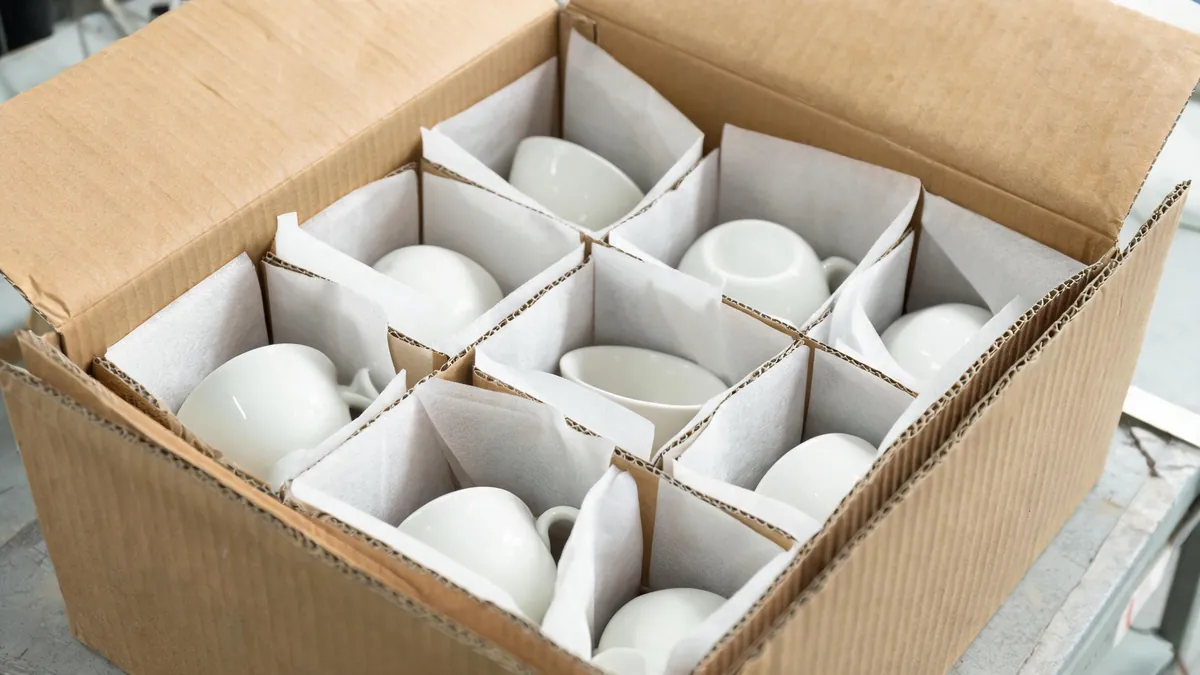
Mixed loads fail in predictable ways: heavy cookware cartons stacked on fragile ceramic cartons, under-filled cartons that collapse under weight, pallets that lean because the load pattern was not planned, and moisture from the container floor or from goods packed wet. Each of these is preventable at the packing stage, and each is expensive to discover at the destination warehouse.
- Heavy cartons on top of fragile cartons.
- Fragile items packed without inner cushioning or dividers.
- Cartons overfilled or underfilled – both weaken stacking strength.
- Mixed pallets without a stable interlocking pattern.
- No moisture protection for cartons sitting on the container floor.
Ask the factory for the carton spec in writing: board strength, carton dimensions, inner packing layout and the weight limit per carton. Fragile items need dividers or individual wrapping so pieces do not touch; heavy items need cartons strong enough for their weight and stacking. A carton that is fine for one product line may be too weak when the same line is mixed with heavier goods in one container.
| Product type | Packing priority | Typical risk |
|---|---|---|
| Ceramic, glass, stoneware | Dividers, cushioning, stable carton | Breakage from stacking and vibration |
| Steel and cast iron cookware | Strong cartons, weight within stacking limit | Crushing goods below |
| Non-stick and coated items | Surface protection between pieces | Scratches and coating damage |
| Small accessories | Consolidated inner cartons | Loss and label damage |
Palletizing and load order for a mixed container
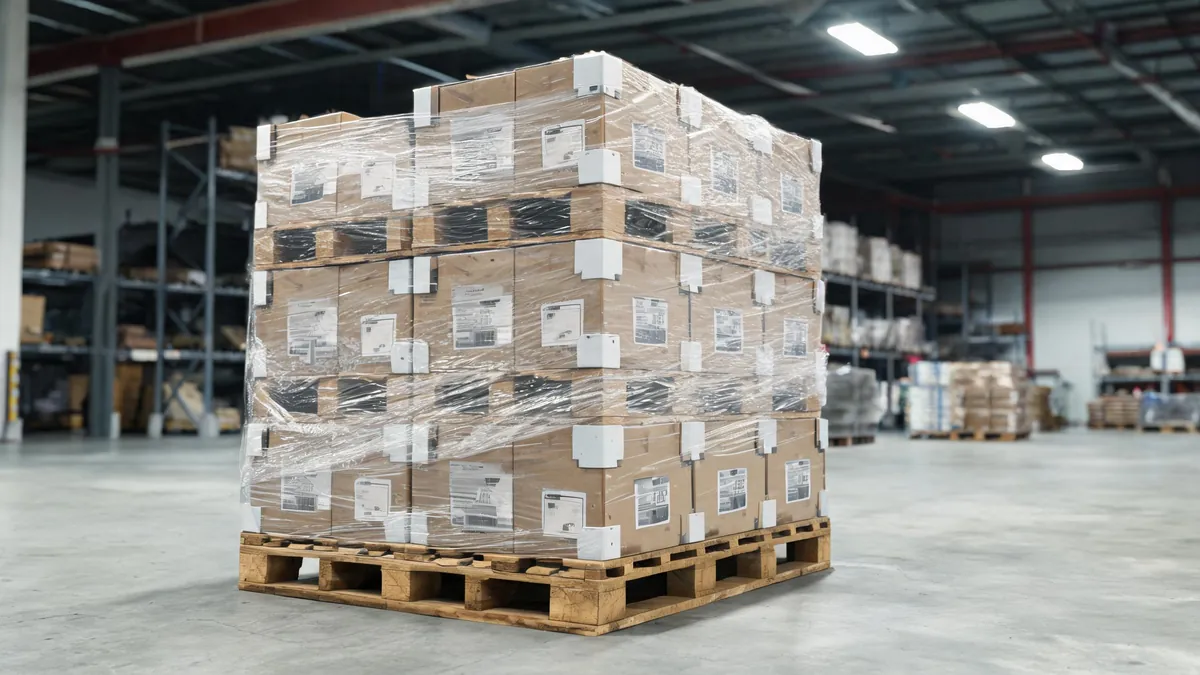
Palletize by fragility and weight: heavy, dense cartons on the pallet base, lighter and fragile cartons above, with an interlocking pattern and stable corners. In the container, heavy pallets go to the floor and toward the front, fragile pallets on top and near the door for early unloading. If the factory loads loose cartons, the same rule applies by row. Ask for the loading plan before loading day and for photos during loading.
Moisture: the quiet killer in mixed loads
Kitchenware containers cross oceans and climate changes, and condensation can form inside the container. Cartons should not sit directly on the container floor, goods should be dry when packed, and where the route or season is humid, desiccants or ventilation planning may be needed. Check the container itself before loading – floor damage, odor or moisture means the container should be rejected before a single carton goes in.
What to confirm with the supplier in writing
- Carton board strength and the stacking limit per carton.
- Inner packing layout for each fragile SKU.
- Pallet pattern, height and weight per pallet.
- Container loading plan with heavy and fragile placement.
- Container inspection before loading and photos of the loaded container.
These belong in the order confirmation, not in a phone call. When a claim happens, the packing spec is what proves whether the factory packed to an agreed standard.
The loading-day photo record to request
Photos are the cheapest insurance on a mixed container, but only if they are structured. Ask the factory for a set that covers the container interior before loading, the first row and the final row, close-ups of fragile carton labels, the sealed door with the seal number, and any special handling such as dunnage or strapping. Compare the photo set against the loading plan you agreed – a photo record that matches the plan is strong evidence if a claim ever occurs.
- Empty container interior before loading.
- First and final rows, fragile cartons close-up.
- Seal number on the closed door.
- Dunnage, strapping and special handling visible.
FAQ
Can ceramic and steel cookware share one container?
Yes, with the right plan: heavy cookware low and well-supported, ceramics packed with dividers and cushioning, and stable cartons that do not flex under the load above them.
What carton details should I confirm with the factory?
Board strength, dimensions, the inner packing layout, weight per carton and stacking limit. Confirm them per SKU in writing, especially when fragile and heavy lines share the container.
Who checks the container before loading?
The factory or your inspection team should check the container floor, walls, odor and moisture before loading starts. A damaged or wet container should be rejected before any carton goes in.
Should fragile goods be unloaded first?
Yes – in most mixed loads, fragile and lighter goods are loaded last so they sit near the door and are unloaded first, before heavy pallets are moved around them.
Planning a mixed kitchenware container and want the packing and loading plan checked?
Ask KitchenWareSourcingRelated reading: kitchenware container packing specs · container condition, loading plan and shipping marks