Color and branding sell silicone baking molds faster than any spec sheet. A pastel cupcake mold with a clean logo in a printed box looks like a retail product; the same mold in an unbranded polybag looks like a commodity. When you buy silicone baking molds wholesale, color matching, logo placement, and retail packaging are where your brand identity gets built. The baking molds and pans in the bakeware products collection show the shapes and finishes buyers commonly order.
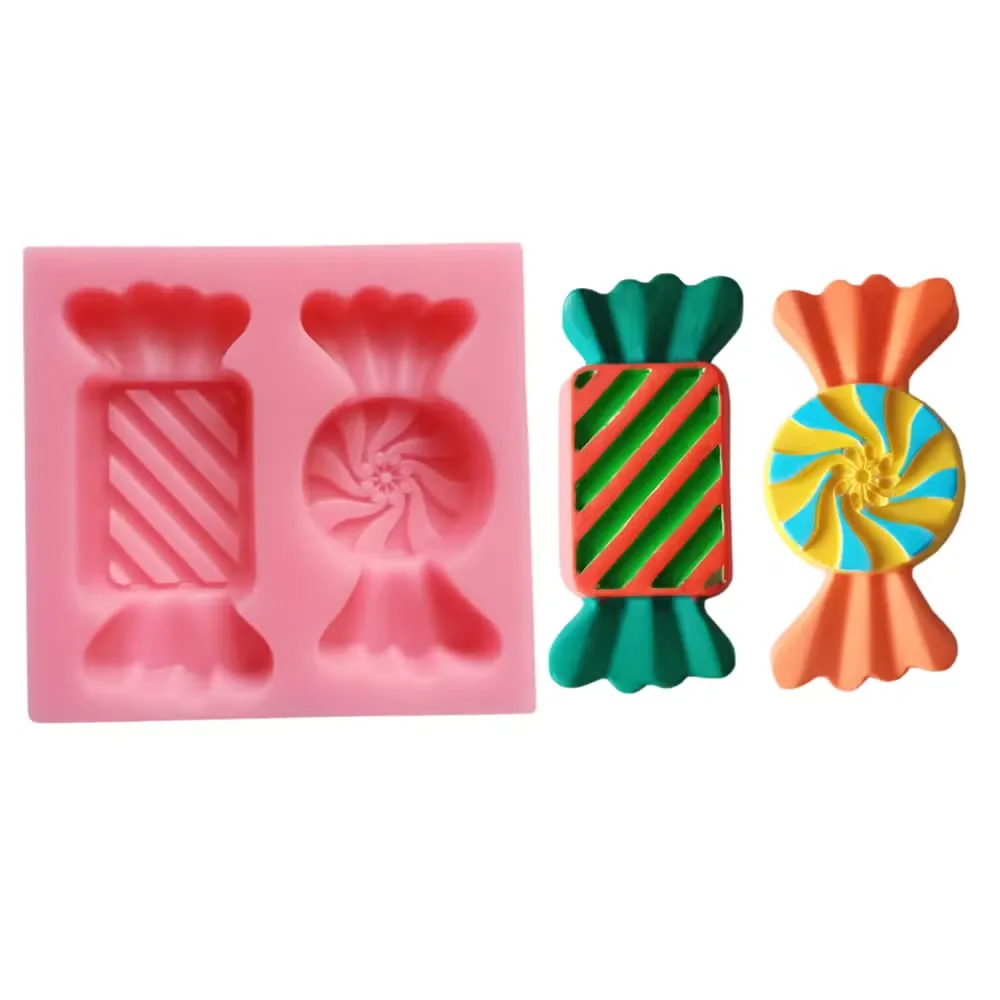
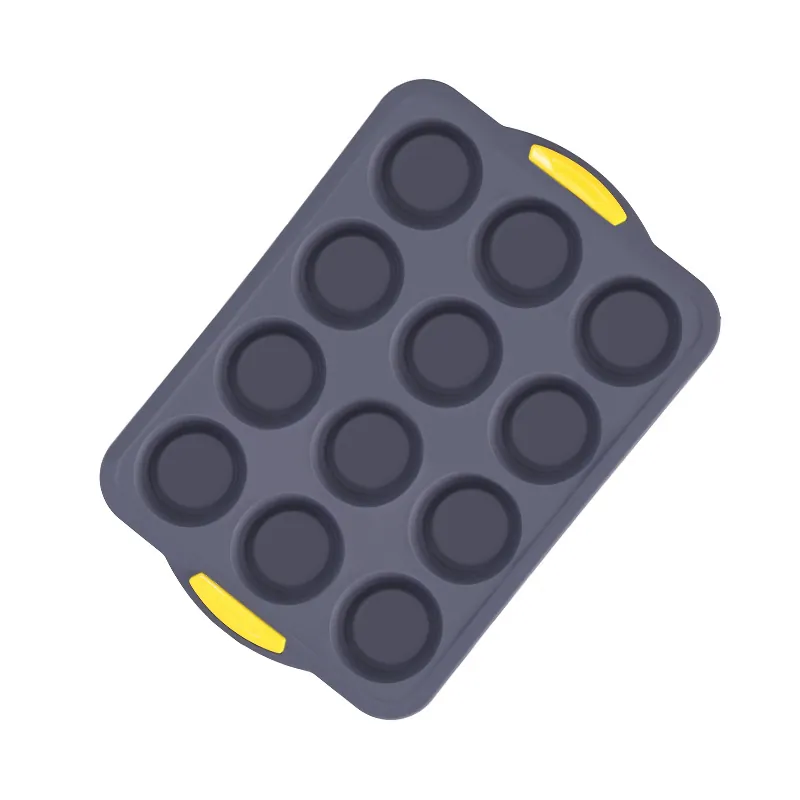
Color Matching: Set the Tolerance Early
Silicone color is not paint. The final shade depends on the pigment, the base material, and the curing process, so the color sample is the contract. Ask the supplier for a color sample made from the same silicone compound you will use in production, not a printed color card.
Confirm the tolerance before production. Some buyers accept a small shift in tone; others need a tight match for a brand palette. If the color matters, include the accepted sample in the purchase order and reference it at the quality check.
Branding Options on Silicone Molds
Silicone molds offer several branding paths, and the best one depends on the shape and the budget:
- Debossed or embossed logo in the mold surface, permanent and dishwasher-safe
- Logo inside the mold cavity, visible on the finished baked item
- Printed hang tag or sleeve with brand name and product copy
- Full printed retail box with product image and barcode
A permanent debossed logo is usually the strongest option for brand recognition because it survives washing and does not peel. A hang tag is the cheapest way to add a brand name to a standard shape.
Retail Packaging That Sells
Retail packaging for silicone baking molds does more than protect the product. A window box lets the buyer see the color and shape; a printed box carries the usage story. Since silicone molds are flexible, the packaging also needs to keep the mold from folding and creasing in transit.
Common retail formats are hang cards for pegboard display, window boxes, and full-color printed boxes for sets. For e-commerce, a smaller box with a printed insert is usually enough, because the fulfillment box replaces the retail packaging.
What to Confirm in Your Wholesale Order
| Item | Checklist |
|---|---|
| Material | Food-grade silicone, temperature range, BPA-free claim |
| Color | Color sample approval and tolerance |
| Branding | Logo method, placement, and artwork deadline |
| Packaging | Polybag, hang tag, or printed box; barcode and copy |
| MOQ | Tooling cost and minimum quantity per color or design |
| Lead time | Sample, production, and delivery dates |
E-commerce vs Retail Packaging
The sales channel changes the packaging brief. A mold sold through physical retail needs a box that survives the shelf and the checkout bag. A mold sold through e-commerce needs a box that fits the fulfillment workflow and arrives undamaged, but the outer box replaces the retail pack before the customer sees it.
Some buyers run two versions: a printed retail box for store orders and a simpler polybag or mailer-ready box for online orders. The cost difference is real, and so is the customer experience. A folded or creased silicone mold inside a damaged box leads to returns, no matter how good the product is.
Quality Checks for Wholesale Molds
Before a large silicone mold order, check the sample for defects that matter at retail: rough edges, uneven color, thin spots in the mold wall, and any smell after curing. A mold that tears after a few uses will come back as a return even if the color is perfect. Ask the supplier about the mold thickness and the expected lifespan, and confirm the temperature rating for baking and freezer use.
Because silicone molds are often sold as sets, check that every mold in the set matches in color and finish. Color drift between production batches is a common complaint, so agree on the color tolerance and ask the factory to keep the same pigment batch for your order.
Lead Time Planning for Seasonal Orders
Silicone baking molds are seasonal for many retailers: holiday baking drives a big share of sales. If you need molds on the shelf before the holiday season, work backward from that date. Sampling, color approval, production, and sea freight each add weeks, and the factory’s coating and molding lines fill up before peak season.
A realistic plan for a first custom order is eight to twelve weeks from spec to container loading, before freight. Add your shipping time and a buffer for sample revisions. If the timeline is too tight, consider standard shapes and colors for the first order, because custom tooling and color matching add the most time.
Sample Approval Checklist
When the silicone mold sample arrives, check it against a short list: dimensions match the spec, color matches the approved sample, no rough edges or burrs, the logo is correctly placed, and the temperature range is confirmed. Take photos of the sample from several angles and keep them with the order file, because they become your reference at the final inspection.
If the sample is not right, be specific about the fix. Vague feedback like “color is off” leads to another round of guessing. Say exactly what changed, for example “the blue is too light, target Pantone 19-4052” or “the edge seam is visible on the left side.” Clear feedback shortens the sampling cycle.
Food-Grade Silicone Basics
Food-grade silicone is the standard material for baking molds, and it is worth confirming the basics with the supplier: the silicone type, the temperature range, and whether the product is BPA-free. High-quality food-grade silicone is usually stable from freezer to oven temperatures, but the exact range depends on the compound, so confirm it in the spec.
A simple smell test on the sample tells you a lot. Poor-quality silicone can have a strong odor after curing that persists and affects the baked goods. If the sample smells, the production material will too, and returns will follow.
MOQ and Tooling for Custom Designs
Custom shapes need a mold, and the mold cost is usually quoted separately from the unit price. Standard catalog shapes skip the tooling cost but limit your differentiation. A common strategy is to run standard shapes with custom colors and branding first, then invest in a custom mold once the line proves itself.
Confirm whether the tooling fee is credited back after a certain order quantity. Some suppliers credit the mold cost after a volume threshold, which changes the economics of a custom design.
Frequently Asked Questions
Can I match a specific brand color on silicone molds?
Usually yes, but silicone color matching takes time. The supplier develops a color sample, and the final shade can differ slightly from the target because of the silicone base and curing process. Confirm the acceptable color tolerance before production and ask for a color sample in the same material.
How do I put my brand on silicone baking molds?
Common options are a debossed or embossed logo on the mold, a printed label, a hang tag, or printed packaging. Some molds can include the logo in the mold cavity itself, which is permanent and does not wear off. The right method depends on the mold shape and the budget.
What is the MOQ for custom silicone baking molds?
Custom molds usually require a mold or tooling cost and a higher MOQ than standard catalog shapes. The number depends on the mold size, cavity count, and material color. Confirm the tooling fee and the per-unit MOQ with the supplier before quoting your retail price.
Final Recommendation
Treat color and branding as production specs, not afterthoughts. Approve a real color sample, choose a logo method that survives washing, and design packaging that fits both the shelf and the fulfillment box. If you are sourcing silicone baking molds wholesale and want to discuss color matching and branding with a supplier, send your artwork to our contact page.