Custom silicone baking molds are one of the easiest kitchenware categories to differentiate at retail, because the shape is the product. A buyer can source the same stainless steel pan as a competitor, but a silicone mold in a holiday-themed custom shape is visible, giftable and shareable, which is exactly what holiday and gift retail needs. For wholesale buyers, the practical question is how to move from a shape idea to a shippable product: which food-grade silicone grades to require, how tooling and MOQ work, what packaging sells the gift angle, and how to time production for the holiday window. This guide covers the full path for buying silicone baking molds wholesale with custom shapes.
Why custom shapes work for holiday and gift retail
Silicone molds are a high-impulse category. The product is colorful, the shapes are playful, and the price point is low enough that customers buy them as stocking stuffers and hostess gifts without much deliberation. Custom shapes take that impulse buying further: a snowflake mold in November or a heart mold before Valentine’s Day does not compete on price, it competes on occasion, and occasion-driven products tolerate higher margins than commodity kitchenware.
The category also benefits from social media. Molded desserts and shaped chocolates photograph well, and a distinctive shape can earn organic attention that paid ads would cost more to buy. For a retailer or brand, a custom shape is a small piece of intellectual property in an otherwise copyable category. Once customers associate the shape with your brand, the mold becomes a repeat-purchase item and a reason to visit the brand again for the next season.
Finally, custom shapes solve the retail inventory problem in a smart way. Holiday molds are seasonal, so the risk of leftover stock is real, but the product is small, light and inexpensive to hold. A well-timed seasonal program with a conservative first order can test the category without the financial exposure of a larger kitchenware line.
Which silicone grades to require for wholesale
Not all silicone is food grade, and the difference matters for both compliance and performance. Food-grade silicone for baking molds is typically platinum-cured liquid silicone rubber (LSR) or a high-quality addition-cured silicone, which is stable at baking temperatures and does not release harmful substances. Lower-cost peroxide-cured silicone may be cheaper, but it can have a stronger odor and, in some cases, higher volatile content, which is a compliance risk for food-contact products.
For a wholesale program, require a food-grade certification for the silicone compound and a test report for the finished mold. The report should cover the relevant migration limits and, for the US market, FDA food-contact compliance for the material. In the EU, food-contact silicone is assessed under the framework for materials in contact with food, and many buyers ask for LFGB testing, which is a German standard that is widely accepted as a stricter benchmark for silicone food contact.
Temperature rating is the other key spec. Food-grade silicone for baking is usually rated to 220-230 degrees Celsius for short periods, which covers standard home baking. Confirm the rating for your use case and state it on the packaging, because customers will push the mold to its limit in an oven, and an over-stated rating is a compliance and safety problem.
| Silicone spec | What to require | Why it matters |
|---|---|---|
| Cure system | Platinum-cured / addition-cured | Stable at baking temperature, lower odor, lower volatiles |
| Food-grade certification | FDA or LFGB test evidence for the compound | Required for food-contact selling in most markets |
| Temperature rating | At least 220-230 degrees C for baking | Matches real oven use; supports the label claim |
| Finished mold test | Migration report for the molded article | Covers the actual product, not just the raw material |
| Hardness (Shore A) | Typically 30-60 Shore A depending on design | Affects de-molding ease and shape retention |
Mold design: what shapes actually sell
Shape selection is where the buyer’s judgment matters most. The safest shapes track the seasonal calendar: snowflakes, trees and stars for winter holidays; hearts for Valentine’s Day; eggs, bunnies and chicks for spring; pumpkins and leaves for autumn. Shapes tied to occasions that involve baking, such as birthday numbers, baby showers and wedding themes, also sell because they are bought for events rather than for everyday cooking.
Beyond the calendar, think about the customer’s motivation. Some buyers want molds for making shaped chocolates or candies as gifts; those work best with small, detailed cavities that produce multiple pieces. Others want cake molds for centerpiece desserts; those need larger, cleaner shapes that release well. The same holiday theme can be sold as a mini mold set for chocolates and a large bundt-style mold for cakes, covering two price points with one theme.
Custom shapes add tooling cost, so the design should justify the investment. A shape that is too complex may be hard to de-mold or may lose detail in production; a shape that is too generic does not justify the custom tooling. A good middle ground is a custom shape in a standard mold format, such as a 6-cavity or 12-cavity tray with a standard size, which keeps the tooling simpler while still giving you a differentiated product.
| Season/occasion | Shape ideas | Format that works |
|---|---|---|
| Winter holidays | Snowflakes, trees, stars, gingerbread men | Mini mold sets for chocolates; large cake mold for centerpieces |
| Valentine’s Day | Hearts, roses, cupid | Heart cake mold plus mini heart set |
| Spring/Easter | Eggs, bunnies, chicks, flowers | Multi-cavity tray for small pieces |
| Autumn | Pumpkins, leaves, acorns | Pumpkin cake mold; leaf chocolate molds |
| Birthday/events | Numbers, candles, balloons | Number-shaped cake mold, small gift set |
| Everyday novelty | Animals, food shapes, geometric | 6-12 cavity trays, colorful |
Tooling, MOQ and pricing for custom shapes
Custom silicone molds require a mold tool, and the tooling cost is the main barrier to entry. For silicone molds, the “tool” is typically a machined or 3D-printed master from which production molds are made. Tooling costs vary widely by complexity and size; a simple tray-shaped mold costs far less than a large multi-part cake mold with fine detail. Confirm whether the tooling cost is one-time, whether it is amortized into the unit price, and who owns the tool at the end.
MOQ for custom silicone baking molds is generally lower than for metal cookware, because silicone molding is a flexible process. Stock shapes can often be ordered in a few hundred pieces, while custom shapes usually start around 1,000-3,000 pieces depending on the factory and the mold size. The MOQ is driven by the tooling amortization and the production economics, so a larger order lowers the unit price faster than in some other categories.
| Order type | Typical MOQ | Tooling | Unit price behavior |
|---|---|---|---|
| Stock shape | 200-1,000 pieces | None, factory owns stock molds | Lowest, set by factory catalog |
| Custom shape, standard tray format | 1,000-2,000 pieces | Moderate one-time cost | Drops with volume; tooling amortized |
| Large custom cake mold | 1,000-3,000 pieces | Higher one-time cost | Higher unit price; premium positioning |
| Full seasonal program | 3,000+ pieces across SKUs | Multiple tools, often discounted | Best pricing; needs storage and planning |
Ask for the pricing in a tier table, and ask how tooling is treated: some factories charge the tool separately and reduce the unit price; others build the tooling into the first order’s unit price. Compare the two structures honestly, because a low first-order price with a separate tooling charge may cost more overall than a slightly higher unit price with free tooling.
Packaging that sells the gift angle
For gift retail, the packaging is half the product. A holiday mold in a plain polybag reads as a commodity; the same mold in a colorful window box with occasion messaging reads as a gift item with a higher price point. Decide the packaging format early, because it affects the tooling of the mold only marginally but changes the cost and the lead time significantly.
Common options for silicone mold retail packaging include hanging cards, window boxes, and printed polybags with inserts. Hanging cards work well on pegboard displays and keep the price point accessible. Window boxes protect the mold and display the shape, which is important because the shape is the selling feature. Printed polybags are the cheapest and still allow the shape to be seen, but they communicate a lower price tier.
For seasonal programs, add a gift angle to the packaging: a “bake, gift, share” line, a recipe suggestion, or a hang tag that names the occasion. These small additions increase the perceived value without increasing the product cost much, and they differentiate the product from unbranded imports in the same display.
QC checks for silicone baking molds
Silicone molds have their own QC quirks. The most common issues are de-molding defects, meaning the shape does not release cleanly; edge burrs or flash left from the molding process; discoloration from the silicone compound; and an odor that customers notice when the mold arrives. Each is worth checking on samples and in production.
| QC check | What to look for | How to verify |
|---|---|---|
| De-molding | Shape releases cleanly, no torn details | Test with a small baked or set item |
| Edge finish | No burrs, flash or sharp edges | Visual and tactile inspection |
| Color consistency | Uniform color, no blotches | Compare across batch samples |
| Odor | Minimal to no silicone smell | Open-sample sniff test; ask about cure process |
| Dimension | Cavity size within tolerance | Measure against the approved sample |
| Food-contact report | Migration limits met | Request report per batch or per compound lot |
The odor test deserves special attention. A mold that smells strongly of silicone at the factory may smell much worse after shipping in a sealed container, and customers will not accept it. Ask the factory how the molds are cured and whether they are washed and post-cured before packing. A post-cure step reduces odor and stabilizes the material, and it is a sign of a factory that understands the retail end of the business.
Seasonal planning: the calendar that makes or breaks the program
Seasonal silicone molds live or die on timing. A winter-holiday program needs to arrive at the warehouse by early autumn to be on shelves before the buying season peaks, and the production lead time starts even earlier. Work backwards from the retail sell-in date: packaging design time, sample confirmation, tooling, production, QC, shipping, and customs clearance all take calendar time, and the seasonal window does not move.
| Milestone | Months before holiday peak | Action |
|---|---|---|
| Shape and packaging final | 6-8 months | Lock the design, approve samples |
| Tooling and pre-production sample | 5-6 months | Confirm tool and production-line sample |
| Production | 3-5 months | Book the production slot early |
| QC and shipment | 2-3 months | Pre-shipment inspection, arrange freight |
| Arrival and distribution | 1-2 months | Warehouse, sell-in to retail channels |
For a first seasonal program, a conservative approach is to order the minimum viable quantity for the first season, measure sell-through, and scale the following year. The data from the first season tells you which shapes and price points work, and the second-season order can be much better informed. Many buyers repeat the same core shapes year after year once they find the winners, adding one or two new shapes each season.
Common mistakes in custom silicone mold sourcing
The first mistake is ordering a custom shape without a food-grade test report for the finished mold. The raw material certification is not enough; the molded article must be tested, because the molding process can affect the material. The second mistake is choosing a shape too complex for the mold format, which increases tooling cost and de-molding defects. The third mistake is ignoring the odor issue and discovering it in the customer reviews.
The fourth mistake is starting the seasonal timeline too late. Silicone molds are a small product, but the production slot, tooling and shipping still take months, and the factory’s calendar fills up before the holiday season. The fifth mistake is pricing the product as commodity kitchenware instead of as an occasion product; a giftable mold with occasion packaging commands a different price point, and buyers who treat it as a commodity leave margin on the table.
The sixth mistake is not planning the reorder. A successful seasonal shape sells out, and the customers who missed it will ask for it next year. Keep the tool and the production records, so the reorder next season is a quick process rather than a restart. The factory that holds your tool and knows your spec is your reorder partner.
FAQ: How long does it take to develop a custom silicone mold shape?
Answer: Typically 4-8 weeks from design approval to a production-ready tool, plus sample confirmation time. A simple tray format can be faster, while a large detailed cake mold takes longer. Start the calendar 6-8 months before the holiday peak to leave room for tooling, samples, production and shipping.
Working with a silicone mold supplier
For wholesale buyers, the ideal silicone mold supplier is one who understands both food-grade compliance and retail presentation. Ask for their food-grade test documentation at the quoting stage, request a sample of the exact shape and color before tooling, and confirm the packaging options. A supplier who has produced seasonal programs before will also advise on timing and order quantities, which is more valuable than a slightly lower unit price.
Many kitchenware suppliers cover silicone bakeware alongside metal and other lines. You can compare the breadth of a wholesale range through the site’s bakeware product range and full kitchenware range to see how silicone items fit into a seasonal assortment. For gift retail programs, pairing silicone molds with adjacent giftable kitchenware, such as custom drinkware and bottles, is common; specialists like Frozl handle that category separately and can extend the gift theme across the catalog.
Finally, keep the seasonal learning loop running. After each season, review the sell-through by shape, packaging and price point; keep the winners, retire the losers, and brief the next season’s custom shapes with real data. A seasonal silicone mold program that started with one custom shape can grow into a small, profitable franchise of occasion products, and it all starts with the food-grade spec and the calendar.
FAQ: Can I order silicone baking molds with my own brand printed on the mold?
Answer: Yes. Brands can be embossed or debossed into the mold itself, printed on the packaging, or both. Embossing the brand into the mold is permanent and survives washing, but it adds to the tooling detail. Many buyers start with branded packaging and add the mold-embedded brand on the second-season reorder.
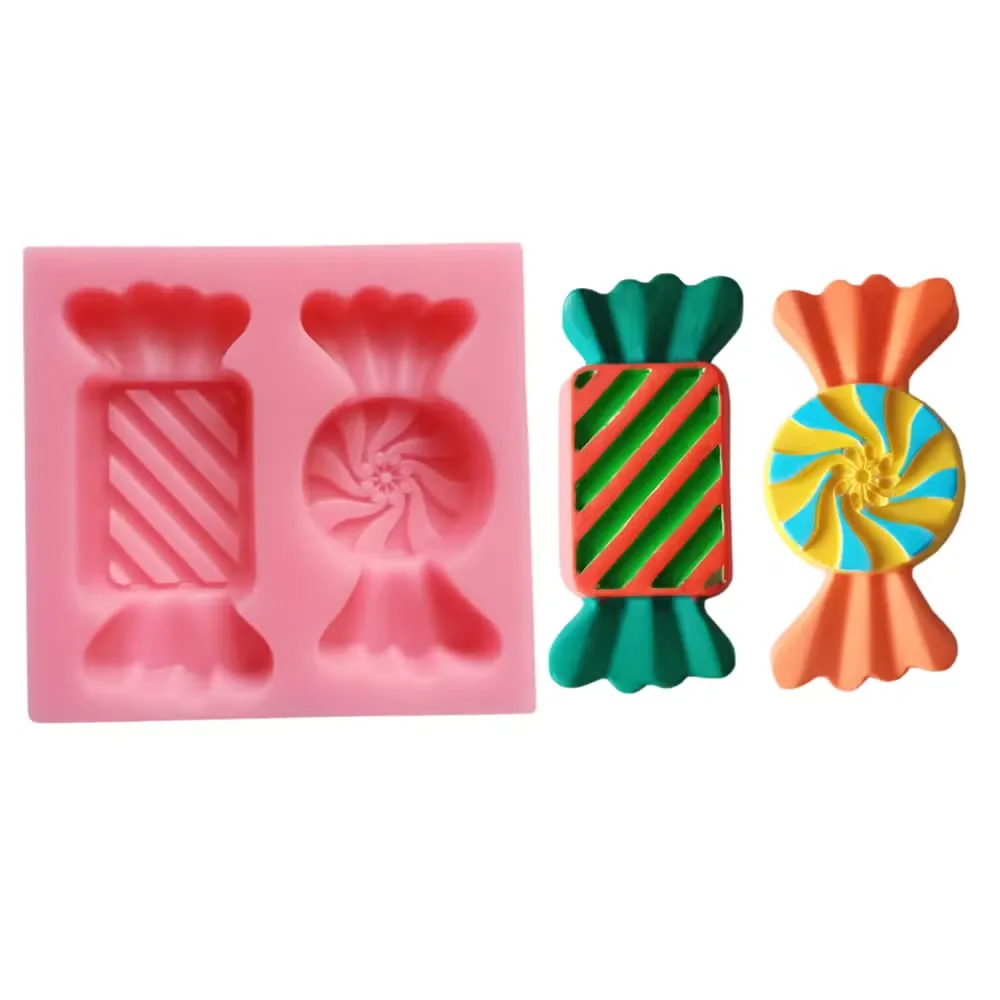
Samples and pre-production runs for custom molds
Custom silicone molds need two sample stages before production: the design sample and the production-line sample. The design sample, often made from a prototype tool or a hand-built version, confirms the shape, the color and the feel of the mold. This is the stage to check de-molding behavior with a real baked item, because a shape that looks good in CAD can fail when the batter sticks in a narrow detail. Ask for the design sample with a test bake, and take notes on the release, the edge finish and the odor.
The production-line sample comes from the actual tool and the actual production process. It is the last chance to verify the cavity dimensions, the color consistency and the food-grade test results for the finished article. Keep the approved production sample as the reference for the whole order, because the factory will match the production batch to that sample. Any change between the design sample and the production sample, a color shift, a thinner edge, a different finish, should be investigated before the container is packed.
Pre-production also settles the packaging question. Ship the packaging sample with the production-line sample, so the mold can be packed, dropped and opened exactly as the customer will experience it. For gift retail, the unboxing is part of the product, and a mold that arrives with a crushed corner or a wrinkled insert reads as a gift that was not cared for. The packaging test at this stage is cheap; the packaging failure in a store display is expensive.
Finally, use the pre-production run to confirm the order administration: the tool ownership, the reorder price, the MOQ for the next season and the production slot. A custom mold program becomes valuable precisely because the reorder is fast: the tool exists, the spec is written, and the next season’s order is a confirmation rather than a new development. The factories that make this easy are the ones worth keeping in the program.

Frequently Asked Questions
What is the MOQ for custom silicone baking molds?
Custom shapes usually start around 1,000-3,000 pieces depending on the mold size and complexity, while stock shapes can be ordered in smaller quantities. The MOQ is driven by tooling amortization and production economics. Ask for a tier pricing table so you can see how the unit price changes with volume.
Is food-grade silicone safe for baking?
Food-grade, platinum-cured silicone is stable at typical baking temperatures and is widely used for bakeware. Require a food-grade certification for the compound and a migration test report for the finished mold, and confirm the temperature rating matches your intended use. Avoid peroxide-cured silicone for food contact when higher-quality alternatives are available.
How much does custom mold tooling cost?
Tooling cost varies with size and complexity; a simple tray format costs far less than a large multi-part cake mold. Ask whether the tooling is charged separately or amortized into the unit price, who owns the tool, and whether the cost drops on reorders. These terms change the real cost of the first order.
How far ahead should I plan for holiday silicone molds?
Start 6-8 months before the holiday peak. The timeline includes design finalization, tooling, sample confirmation, production, QC, shipping and distribution. The factory’s production calendar fills up before the season, so book the slot early even if the design is not fully final.
What are the common quality problems with silicone baking molds?
The most common are de-molding defects, edge burrs or flash, discoloration and silicone odor. Check these on samples, require a post-cure and wash process before packing, and verify the food-contact test report for the finished article. Odor is the issue customers notice most in sealed packaging.
For wholesale buyers, custom silicone baking molds are a low-cost way to build a differentiated seasonal line: require food-grade certification and a finished-article test report, design shapes that fit the occasion, plan the tooling and MOQ against a tier price table, and work the calendar backwards from the holiday peak. If you are sourcing silicone bakeware or a broader kitchenware program, send your product list and target quantities through our contact page and we will confirm what we can support. You can browse our bakeware product range and full kitchenware range to shortlist the categories for your seasonal assortment.