A silicone baking mold is judged by three numbers before it is judged by anything else: how cleanly the cake releases, what temperature it survives, and whether the food-grade proof actually covers the mold you are buying. When you buy silicone baking molds wholesale, those three decide your return rate, your compliance risk and the price your retail customers will accept. This guide explains what to specify, what to test and what documentation to collect, so the molds you stock perform in the bakery and pass inspection at the border.
Why silicone molds sell and why they fail
Silicone baking molds sell because they release better than metal pans for sticky items, store flat, come in shapes metal cannot make, and carry a modern, colorful look that photographs well. They fail for a narrower set of reasons: a mold that sticks because the silicone grade is wrong or the surface is not smooth, a mold that warps or degrades at baking temperature, and a mold whose food-grade documentation does not match the product in the box.
The failures are not random. They trace back to the raw material grade, the molding process and the QC at the factory, and each one is visible if you know what to check. A wholesale buyer who treats silicone as a commodity material ends up with a container of molds that bake inconsistently; a buyer who specifies the grade, the temperature range and the test method ends up with a line that resells itself.
Food-grade silicone: the raw material decides everything
Silicone for food contact is not one material. It ranges from food-grade silicone that meets the migration and volatile limits of the destination market to industrial silicone that looks identical and costs less, and the difference is invisible on a visual check. The first specification on your order sheet should be the silicone grade and the food-contact standard it must meet, not the shape of the mold.
The common standards are FDA 21 CFR 177.2600 for the US market and EU 1935/2004, often with LFGB testing, for European destinations. The test report should cover the specific silicone compound used in the mold, with migration test results within the limits, and should name the factory or the compound supplier. A generic silicone certificate without migration numbers is not proof of food safety; it is a piece of paper.
Ask the supplier three questions: what silicone compound is used, which standard the compound is tested to, and whether the test report covers this specific mold or just the material family. The honest answer to the third question is usually “the material family,” which is normal, but the report should still match the compound in production. If the supplier cannot name the compound or produce a test report, treat the mold as non-food-grade regardless of what the listing says.
Temperature limits: what the mold really survives
Silicone’s temperature tolerance is excellent for a flexible material, usually from well below freezing to roughly 200-230 degrees C for food-grade compounds, but the real limit depends on the compound and the mold design, not on a generic number. The mold’s rated temperature should come from the supplier’s spec for the specific compound, and it should be tested, not assumed, especially for the molds that will sit in a hot oven for an hour.
The practical risk is not the mold catching fire; it is the mold degrading, releasing odors, discoloring or warping over repeated use at high temperature. A mold that looks fine after one bake and degrades after fifty is a product failure that generates returns and bad reviews. Ask for the supplier’s repeated-use test data, or run your own test on samples: bake the mold multiple times at the rated temperature and check for discoloration, odor, warping and release degradation.
Temperature claims belong in the documentation and on the packaging. If the mold is rated to 220 degrees, the package should say it, and the food-contact test should cover the rated range. Customers bake at whatever the recipe says, and a mold that cannot handle a typical cake recipe temperature will fail in the first week.
Release performance: the experience customers remember
Release is the feature that sells silicone molds, and it is also the feature that varies most between grades and mold designs. The factors are the silicone compound’s release properties, the mold surface smoothness, the mold’s flexibility and the design details like undercuts and side taper. A mold that is too flexible can be hard to handle, and a mold with deep undercuts can trap the baked item even when the material releases well.
Specify the release expectation as a test, not a feeling: bake a standard batter in the mold, cool, invert and record whether the item releases cleanly, with minor sticking, or damaged. Run the test on samples from production, not hand-made samples, and run it at least three times to check consistency. A mold that releases cleanly on the first bake and sticks on the third has a coating or surface problem, and that is a defect you want to find before the container ships.
Release also connects to the care instructions. Silicone molds should be washed before first use, and some users lightly oil the mold for the first bake. The care card should say whether oiling is recommended for the mold, because the answer differs by compound and design. A clear care card reduces the “it stuck” complaints that are the most common negative review for silicone bakeware.
| Specification | What to ask for | How to verify |
|---|---|---|
| Silicone compound | Food-grade compound name and supplier | Material spec sheet, production records |
| Food-contact standard | FDA / EU 1935/2004 / LFGB migration limits | Test report matching the compound |
| Temperature range | Rated operating range for the compound | Repeated-use test at rated temperature |
| Release | Release test method and pass criteria | Bake test on production samples |
| Shore hardness | Hardness range for the mold design | Shore A durometer reading on samples |
| Mold design | Wall thickness, undercuts, side taper | Compare with approved sample |
| Packaging | Retail card, care instructions, labels | Packaging sample approval |
Shore hardness and mold design details
Shore hardness, measured on the Shore A scale for silicone, tells you how rigid or flexible the mold is. A typical food-grade baking mold falls in a mid range, roughly 30-50 Shore A depending on the design, with softer molds easier to flex for release and firmer molds holding their shape better. The right hardness depends on the mold’s purpose: a muffin mold benefits from a firmer frame, while a delicate flower mold needs flexibility to release.
Wall thickness is the next design spec. Thicker walls hold shape and spread heat more slowly; thinner walls flex more and bake faster but can distort. For retail molds, the wall thickness should be uniform, because uneven walls produce uneven baking and cracking at the thin points. Check the mold’s thickness consistency on samples, especially around the corners and the rim, which are the weak points.
Design details like undercuts, engraved patterns and reinforced rims are where the mold’s personality lives, and also where its failure modes hide. Deep undercuts release poorly, sharp engraved details collect batter and are hard to clean, and rims without reinforcement fold during handling. The sample approval should include a bake test of the actual design, not just a visual check, because the design is what the customer experiences.
QC and documentation for a wholesale order
The QC checklist for silicone molds is short and specific: verify the compound and its test report, check the temperature rating and release on production samples, measure shore hardness and wall thickness, inspect for flash, bubbles and surface defects, and confirm the packaging and care instructions match the approved sample. Silicone molding defects, flash along the parting line, surface pinholes and thin spots, are visible on inspection and should have agreed AQL limits.
The documentation package should include the food-contact test report for the compound, the temperature rating statement, the care instructions file and the label files. For European destinations, add the EU food-contact declaration; for the US, confirm the FDA compliance statement is on file. Collect these before loading, because the mold that arrives without its documentation is the mold that waits at customs.
Wholesale buyers also plan the assortment. Silicone molds sell as sets and by theme, seasonal shapes, mini sizes, and bakeware accessories like mats and spatulas, and the assortment decision drives the SKU count and the packaging design. A line that combines a few hero shapes with a seasonal theme and clear care instructions outsells a scattered collection of unrelated molds.
FAQ: Are silicone baking molds safe at 200 degrees?
Answer: Most food-grade silicone compounds are rated to about 200-230 degrees C, so a typical cake or muffin recipe is within range. The exact limit depends on the compound and the mold design, so confirm the rated temperature with the supplier and check that the food-contact test report covers the rated range. Repeated use at the top of the range can degrade the mold over time, so follow the supplier’s temperature guidance and the care instructions.
Building the wholesale program
A silicone mold program works best when the specs are fixed before the samples: compound grade, food-contact standard, temperature range, shore hardness, wall thickness, design details and packaging. Then the samples are tested, not just looked at, with a bake test and a repeated-use check. Then the documentation is collected before loading. The discipline is the same for every mold in the assortment, because the customer cannot tell a good grade from a bad one by looking at it, and the return arrives either way.
For buyers who stock multiple kitchenware categories, silicone molds sit naturally alongside the bakeware line. The same supplier relationship that manages molds can manage the metal bakeware, utensils and the rest of the assortment, which simplifies QC and freight. If you are planning a silicone bakeware line and want a supplier who documents compound, temperature and release specs, send your product list and target quantities through our contact page, and we will confirm what we can support. You can also review the bakeware categories across our bakeware product range.
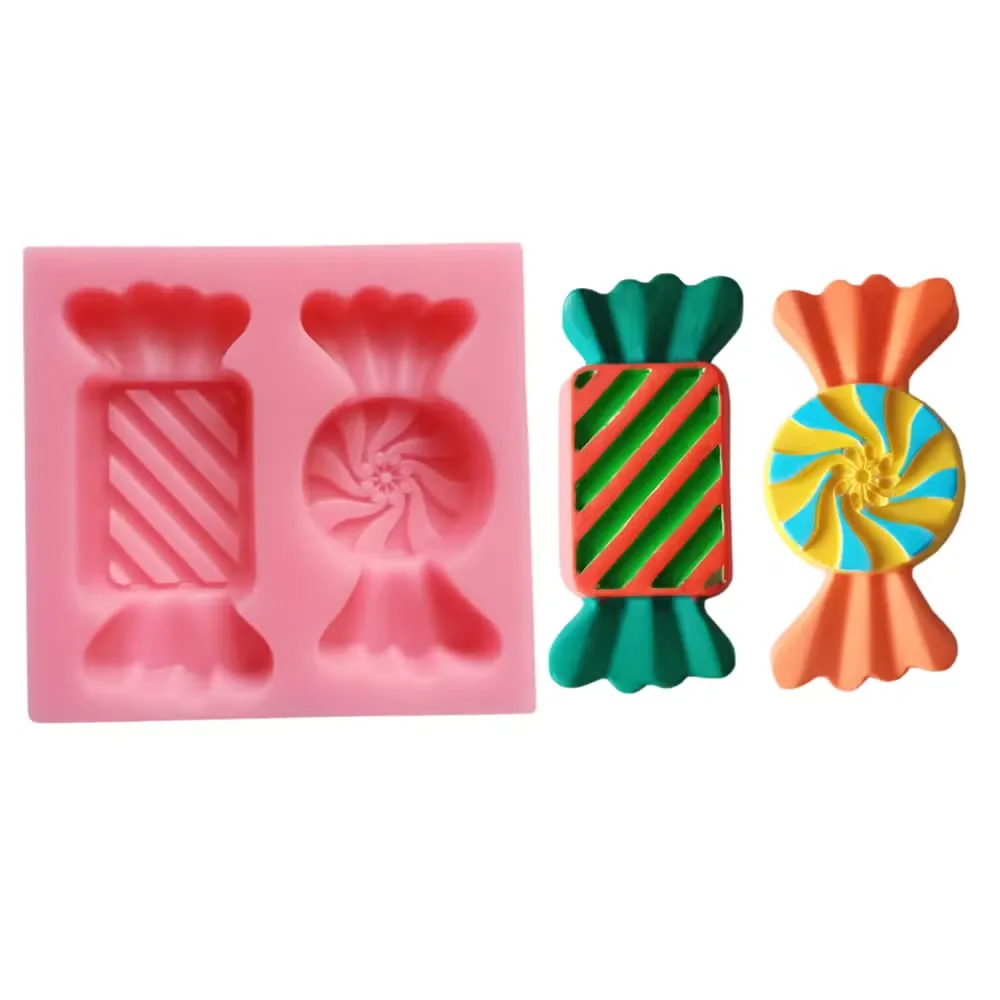
How silicone molds are made: compression molding and what it means for QC
Most silicone baking molds are made by compression molding: a measured amount of silicone compound is placed in a heated mold, the mold closes under pressure, and the material cures into shape. The process explains the QC points. The mold’s parting line, where the two halves meet, can leave flash, a thin excess of material that must be trimmed; heavy flash looks cheap and can irritate the user. The compound must be weighed accurately, because too little material creates thin spots and too much creates thick, uneven walls. The cure time and temperature must be controlled, because under-curing leaves the mold weak and over-curing can discolor it.
When you visit or video-audit a silicone mold factory, look at the molding room: the press count, the cleanliness, the weighing station and the trimming station. A factory that trims by hand may leave inconsistent flash; one with clean, controlled presses and a defined trimming step delivers a more uniform product. Ask how the factory checks each batch for flash, thin spots and surface defects, and how it verifies the compound lot. The molding process is where the mold’s quality is decided, and it is visible to a buyer who asks the right questions.
Packaging and retail display for molds
Silicone molds are light, flexible and photogenic, which makes them ideal for retail display, but the packaging has to solve two problems: protecting the mold and showing the shape. Hanging cards with a clear window, boxes with a shaped insert, and bags with printed headers are the common options, and the choice depends on the retail channel. A hanging card works for supermarket and homeware racks; a gift box works for premium and seasonal lines; a simple bag works for bulk and online-first brands.
The packaging should include the information a buyer needs at the point of sale: the mold’s size and capacity, the temperature rating, the material statement and the care instructions. A mold that is food-grade and rated to 220 degrees should say so on the card, because that is what sells the product and pre-empts the questions. The artwork should be approved against a packaging sample with the actual mold inside, because the mold’s shape and color can change how the card looks in production.
For wholesale, the packaging also determines the shipping density and the shelf presence. Flexible molds can be nested or stacked to save space, but the packaging must prevent deformation during transport, because a mold that arrives squashed looks damaged even if it works. Check the packed carton at the pre-shipment inspection and confirm the retail cards are not scuffed or creased, because the card is the product for the first impression.
Buying direct vs through a trading company
Silicone molds are available both directly from factories and through trading companies, and the choice affects the documentation trail. A direct factory relationship usually gives better pricing and faster communication on custom molds, and the factory can show the molding line and the compound records. A trading company can offer convenience, a wider product range and smaller MOQs, but the documentation and the QC trail are one step further away, and the buyer depends on the trading company’s honesty about which factory actually makes the mold.
The documentation requirement should decide the channel for food-contact products. When you buy silicone molds, you need the compound’s food-contact test report and the traceability to the production batch, and those are easiest to obtain directly from the factory. If you buy through a trading company, ask them to name the factory and provide the factory’s documents, and verify the report matches the compound in production. The buyer who cannot trace the mold back to a compound and a test report is carrying a compliance risk that will surface at customs or in a customer audit.
Seasonal planning and assortment for molds
Silicone molds have a strong seasonal rhythm, and the wholesale buyer should plan the assortment around it. Holiday shapes, hearts, stars, snowflakes and themed minis, sell in concentrated windows, and the production lead time means the seasonal order has to be placed months ahead. The practical pattern is a core assortment of year-round shapes plus a seasonal layer that rotates, with the seasonal SKUs ordered in smaller quantities and the core SKUs ordered for the full cycle.
The seasonal window also affects the packaging. A seasonal mold line sells as a gift or a novelty, so the packaging should carry the theme and the holiday message, and the MOQ for seasonal packaging is usually separate from the year-round packaging. Confirm the seasonal packaging MOQ and the production window with the supplier early, because the mold that arrives after the holiday is the mold that sells at a discount or not at all.
Assortment planning should also consider sets. Silicone molds sell well in themed sets, such as a set of mini cake molds or a set of seasonal shapes, because the set raises the ticket price and the perceived value. The set composition should be planned with the packaging and the MOQ in mind, and the release and temperature specs should be consistent across the set, because a set with one weak mold generates complaints for the whole set.
Frequently Asked Questions
What makes silicone baking molds food-grade?
A mold is food-grade when the silicone compound meets the migration and volatile limits of a recognized food-contact standard, such as FDA 21 CFR 177.2600 or EU 1935/2004 with LFGB testing. The proof is a test report for the compound, not a visual feature. Ask the supplier for the compound name and the test report, and confirm the report matches the compound used in production.
Can silicone molds go in the oven?
Yes, food-grade silicone molds are designed for oven use within their rated temperature range, typically up to about 200-230 degrees C depending on the compound. Confirm the rated temperature with the supplier and keep within it. Place the mold on a rigid tray for easier handling, because a flexible silicone mold can be hard to carry when full.
Why do my silicone molds smell or discolor after baking?
Odor and discoloration after repeated high-temperature use can indicate that the mold is being used at the top of its temperature range, that the compound quality is lower than food-grade, or that the care instructions are not being followed. Check the rated temperature, confirm the food-grade test report, and follow the washing and storage guidance. If the issue repeats across a batch, verify the compound with the supplier before ordering again.
What is the best shore hardness for a silicone baking mold?
There is no single best value; the right hardness depends on the design. Softer molds, roughly 30-40 Shore A, flex easily for release but can be hard to handle when full. Firmer molds, around 40-50 Shore A, hold shape better but release less easily. Ask the supplier for the hardness range of the mold and test the actual design before approving production.
How should silicone baking molds be packaged for retail?
Retail packaging should protect the mold from dust and crushing, show the shape clearly, and include the care instructions and the temperature rating. Many suppliers offer hanging cards, boxes or bags with printed artwork. Confirm the packaging design and the MOQ with the supplier, and check the packaging sample before approving production.
When you buy silicone baking molds wholesale, specify the compound and its food-contact standard first, confirm the temperature rating and release performance on production samples, and collect the documentation before loading. The molds that pass these checks are the ones that bake consistently and resell themselves. If you are planning a silicone bakeware line and want a supplier who documents these specs, send your product list and target quantities through our contact page, and we will confirm what we can support.