Buy silicone baking molds wholesale, and the two specs that decide whether your range sells or comes back are the silicone grade and the frame construction. A mold made from food-grade silicone with a reinforced frame can last years in a home kitchen; a low-grade mold can smell, stain and deform after a few uses.
Silicone bakeware is one of the fastest-moving categories in the kitchenware trade because it is lightweight, non-stick and cheap to ship. For importers and retailers it is also one of the easiest categories to get wrong, because “food grade” means different things to different suppliers. This guide walks through the mold types, the grades to confirm and the checks that protect your order.
What types of silicone baking molds sell in wholesale
Wholesale buyers usually start with a small set of proven shapes before adding seasonal items. The most common categories:
- Cake and loaf molds — round, square and loaf forms in multiple depths; steady sellers all year.
- Muffin and cupcake pans — 6-cup and 12-cup versions, often with a reinforced steel frame for rigidity.
- Baking mats — flexible sheets used inside trays; popular with home bakers and commercial kitchens.
- Chocolate and candy molds — detailed shapes with higher cavity counts; strong for seasonal programs.
- Novelty and themed molds — holiday shapes and character-style designs; good for promotions but narrower demand.
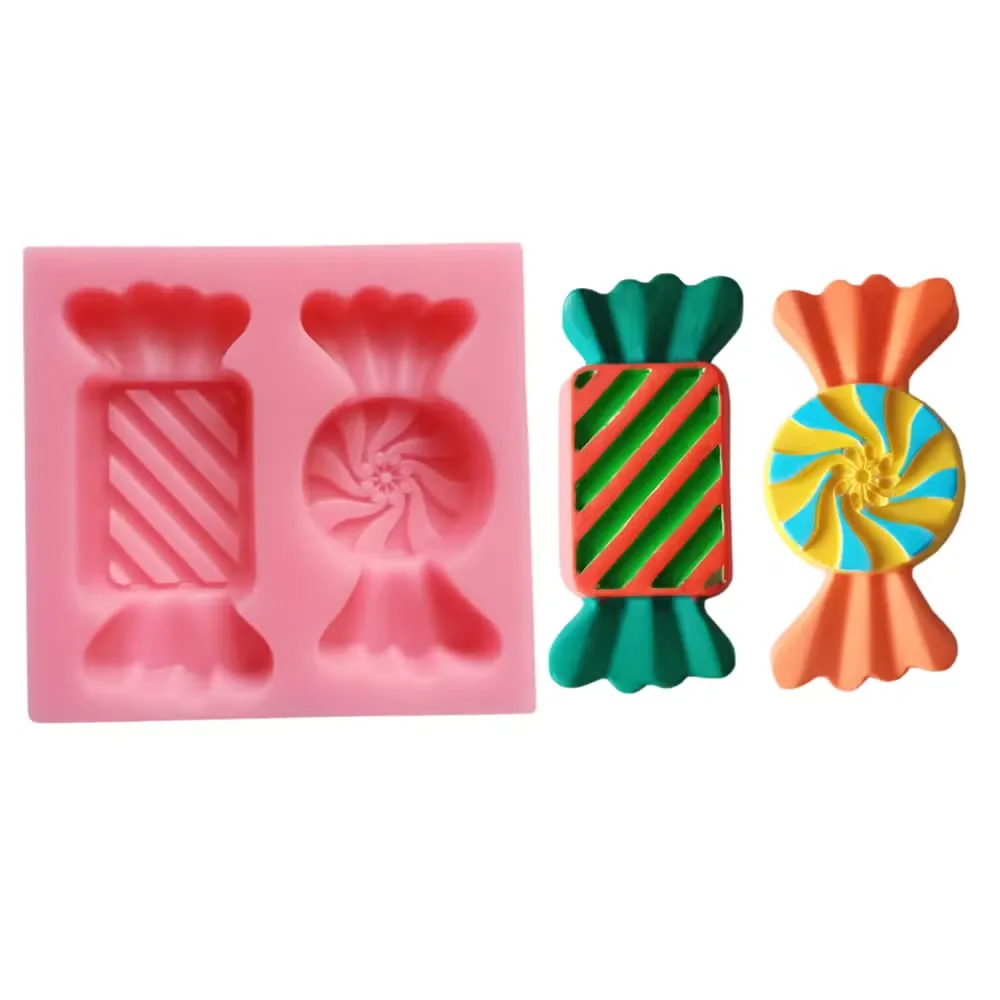
If you are building a first range, muffin pans and baking mats give the fastest turnover. Novelty shapes earn higher margins but carry more dead-stock risk if a season misses.
What “food grade” silicone actually means
Food-grade silicone is a polymer that is stable at high temperatures and does not release the plasticizers found in some other materials. But the label “food grade” alone is not a specification. Confirm the exact standard the factory tests against, because your market determines which one matters.
| Standard / framework | Market | What it covers |
|---|---|---|
| FDA 21 CFR 177.2600 | United States | Rubber articles intended for repeated food-contact use |
| LFGB | Germany / EU reference | Food contact safety and migration testing for silicone articles |
| EU 1935/2004 | European Union | Framework for materials in contact with food |
| GB 4806.11 | China | National standard for silicone food-contact materials |
Do not claim a factory holds a certification unless you have the test report in hand. Ask the supplier to share the report for the exact product, then confirm the report covers your destination market.
Key specs to confirm before you order
Beyond the food-contact report, these specifications determine how the mold performs and how it is priced:
| Spec | Typical range | Why it matters |
|---|---|---|
| Hardness (Shore A) | 40–60 usually | Softer molds flex more but may tear; harder molds hold shape |
| Temperature range | −40°C to 230°C commonly | Must cover freezer and oven use; confirm the actual printed range |
| Thickness | Usually 0.5–1.0 mm for sheets, more for cups | Thicker material resists tearing and holds shape longer |
| Frame / reinforcement | Steel wire frame or rim | Prevents the pan from flopping when lifted with a full batter |
| Color and pigmentation | Food-safe pigments only | Confirm the pigment is approved for food contact, not just the silicone |
Any supplier can print a wide temperature range. Ask for the test basis and keep the spec sheet attached to the order, so both sides agree on what was promised.
QC checks before shipping
A short inspection list catches the defects that generate returns:
- Visual check for pinholes, bubbles and rough edges on the mold surface.
- Tear test on thin sections — edges and cavity corners fail first.
- Flex test: the mold should spring back without cracking.
- Smell test on a fresh sample; strong odor usually indicates poor curing.
- Dimensional check against the approved sample.

If you are importing a large quantity, add a pre-shipment inspection by a third party or your own QC person. Silicone is forgiving in many ways, but once a bad batch is packed, color and odor complaints are hard to fix remotely.
Packaging and MOQ considerations
Silicone molds are light, which makes them cheap to ship, but they can be crushed in transit if packaging is weak. Confirm whether the supplier uses individual boxes, polybags or hang cards, and whether the packaging is retail-ready or bulk only.
MOQs for silicone bakeware usually start lower than for metal cookware, sometimes around 500 pieces per design and color. Custom colors and printed packaging raise the MOQ. Ask for the per-SKU MOQ in writing before you build your range.
How to compare quotes from silicone mold suppliers
When quotes for the same mold shape differ by 30%, the gap usually sits in three places: the silicone grade, the frame construction and the packaging. Ask each supplier to quote the same spec sheet — mold type, hardness range, temperature rating, frame yes or no, packaging format — and compare line by line instead of on the final number.
Also confirm what the sample fee covers. Some factories deduct the sample cost from the first bulk order; others treat it as a separate income. Neither is wrong, but it changes your real unit cost on the first order, so ask before you pay.
What a sample order should include
A useful sample package contains the mold itself, the proposed packaging, and a spec sheet with material grade, hardness, temperature range and dimensions. Ask for the sample in your target color if you plan to sell colored molds, because pigment affects both the final look and the food-contact status. Test the sample in an oven and a freezer before you approve it, and keep it sealed and labeled as the reference for your pre-shipment inspection.
FAQ
Is silicone bakeware safe for ovens?
Most silicone baking molds are safe for oven use within their stated temperature range, commonly up to 230°C. Always confirm the temperature rating printed on the product or spec sheet, and remind end customers not to exceed it.
Why do some silicone molds have a metal frame?
A steel wire frame or rim keeps the mold rigid when it is filled with batter. Frames are common on muffin pans and larger molds; they add cost but prevent spills and make the product easier to handle.
What is the difference between food-grade and regular silicone?
Food-grade silicone is formulated and tested for contact with food, and usually cured without substances that migrate at cooking temperatures. Regular silicone may be cheaper but is not suitable for baking, and claiming otherwise is a compliance risk.
Can I get custom colors and logos on silicone baking molds?
Yes, most factories offer custom colors, and some offer logo molding or printed packaging. Custom colors usually require a higher MOQ and a lead time extension; confirm the minimum quantity with the supplier.
How should silicone bakeware be packaged for export?
Lightweight items are usually shipped in polybags or cartons with headers. Retail-ready packaging such as hang cards or boxes protects the product and increases perceived value, but raises unit cost and may affect the MOQ.
If you are planning a silicone bakeware line, we can match mold types, grades and packaging to your target market. Browse the bakeware products range or review the wider kitchenware range, then send us your requirements for a quote with confirmed specs and MOQ.