OEM Kitchenware MOQ: How Minimum Order Quantities Work
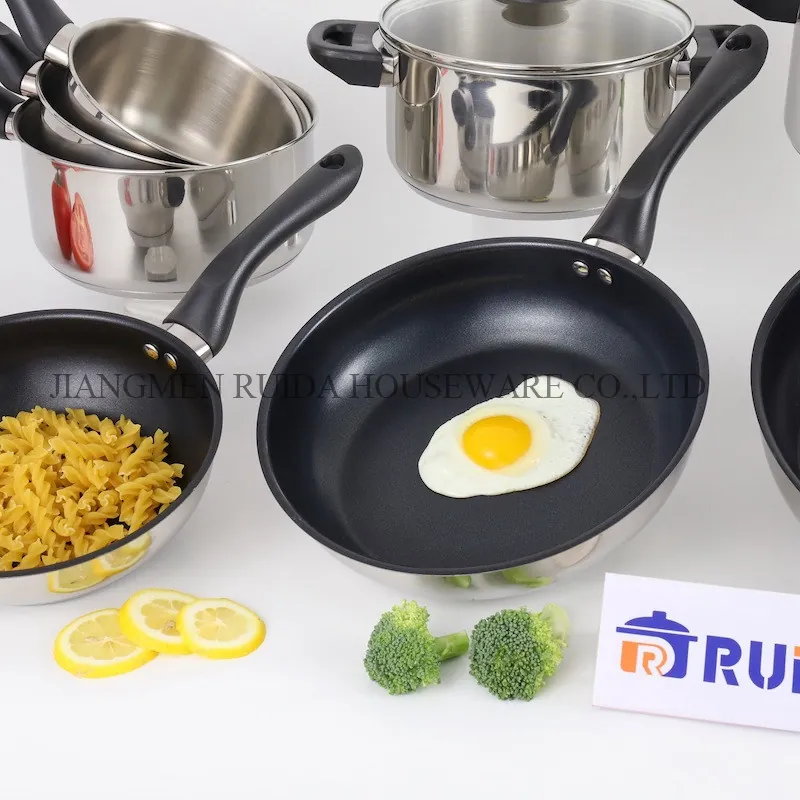
OEM kitchenware MOQs are not random numbers. A factory sets its minimum order quantity to cover tooling, material purchasing, and production setup costs, so the number tells you something about how the factory runs. This guide explains why MOQs exist, what ranges are typical for kitchenware, and how to negotiate a lower minimum without damaging […]
Bakeware Manufacturer in China: Capabilities, QC and Export Checklist
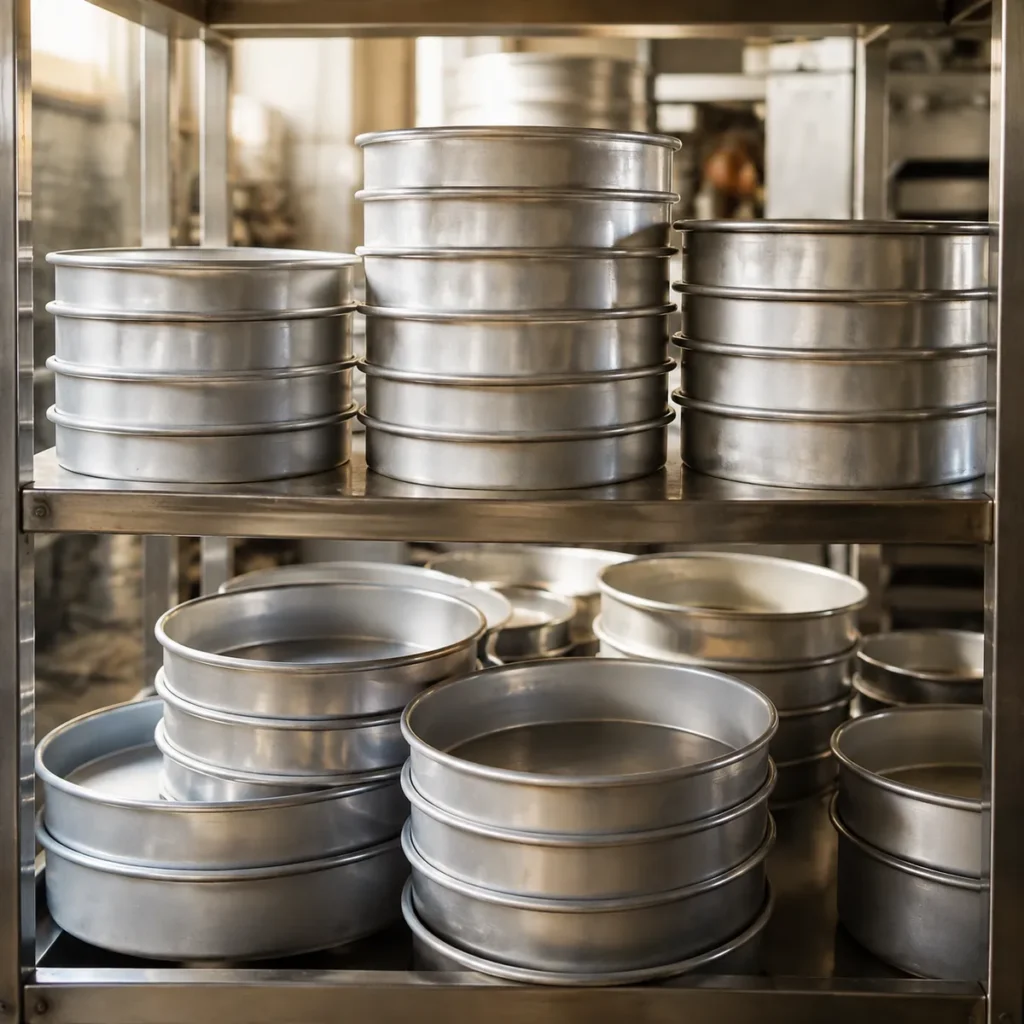
Choose a bakeware manufacturer in China by checking four things: material capability, coating and finishing, QC process, and export documentation. A factory that scores well on all four will deliver consistent bakeware; one that only shows pretty product photos will disappoint somewhere in the container. This checklist tells you what to verify, what documents to […]
Silicone Baking Molds Wholesale: Custom Shapes, Tooling and Lead Times
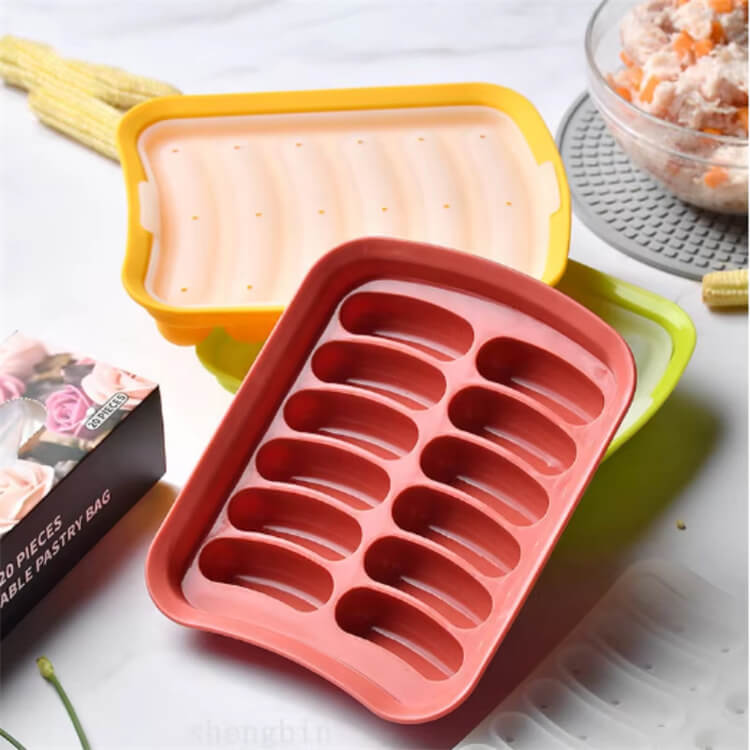
If you want custom silicone baking molds, plan for two costs: the mold tooling and the per-piece production price. Tooling is a one-time cost that usually starts in the hundreds of dollars per cavity design, and the per-piece price drops as quantity rises. This guide covers food-grade silicone grades, how custom shapes and tooling work, […]
Frying Pan Manufacturer: Production Process, Coatings and OEM
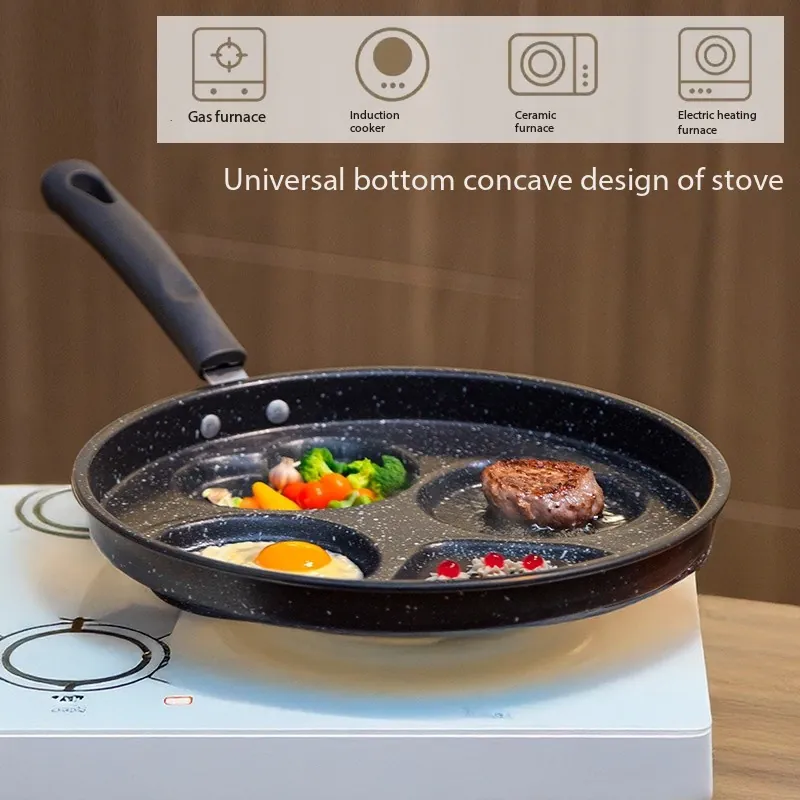
The core of a frying pan factory is four steps: blanking and forming, surface preparation, coating, and handle assembly. If a factory can walk you through each step with real production references, you have found a usable partner. If they only quote prices, keep looking. This guide explains the production process, the coating options you […]
Cookware Manufacturer Capabilities: Aluminum, Stainless and Cast Iron
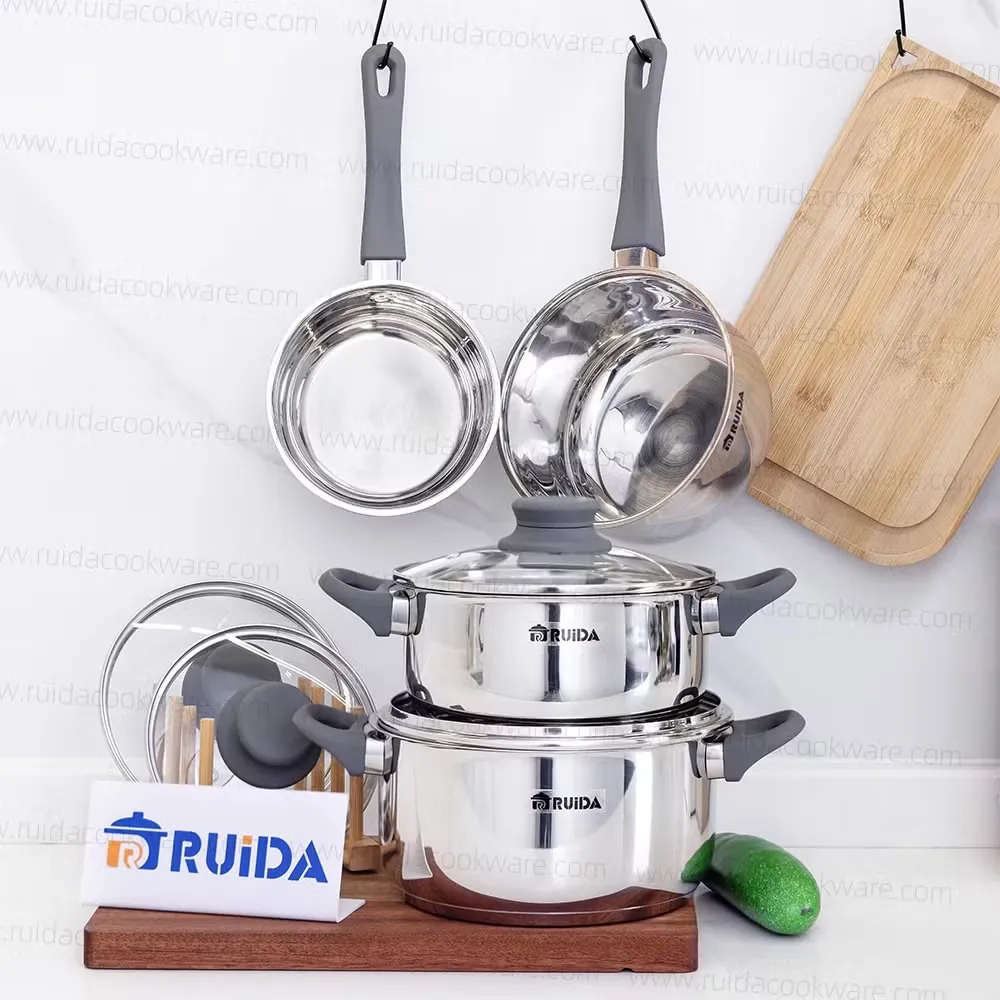
Before you choose a cookware manufacturer, verify three production lines: aluminum, stainless steel, and cast iron. A factory that can explain how each line works, which gauges it runs, and where the coating and QC steps happen will deliver a more predictable order than one that says yes to everything. This guide covers what to […]
How to Compare Kitchenware Supplier Quotes: RFQ Checklist
The fastest way to separate serious kitchenware suppliers from quotation mills: send the same detailed RFQ to three factories and compare what comes back. A good supplier answers your questions, flags specification risks, and prices line by line. A quotation mill sends a round number and asks what you want. This checklist walks through what […]
Kitchen Knife Steel Grades: German vs Japanese vs Chinese Steel
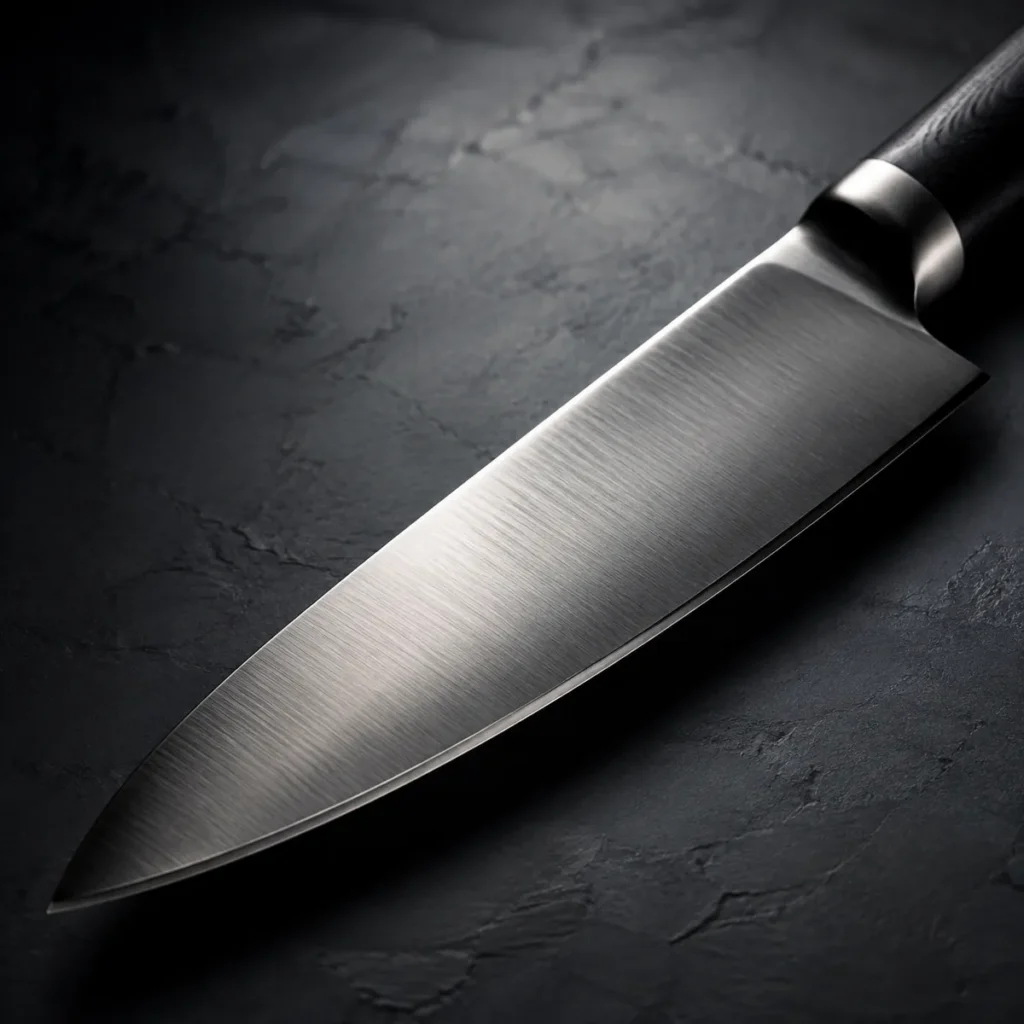
The short answer for buyers: German-style knives usually use X50CrMoV15, Japanese-style knives often use VG-10 or AUS-10, and Chinese OEM factories typically offer 3Cr13, 5Cr15, or 8Cr13MoV for budget-to-mid ranges. The right grade for your line depends on your retail price point and the end user, not on which country label sounds more premium. This […]
Kitchen Knife Set Wholesale: What Retailers Should Stock
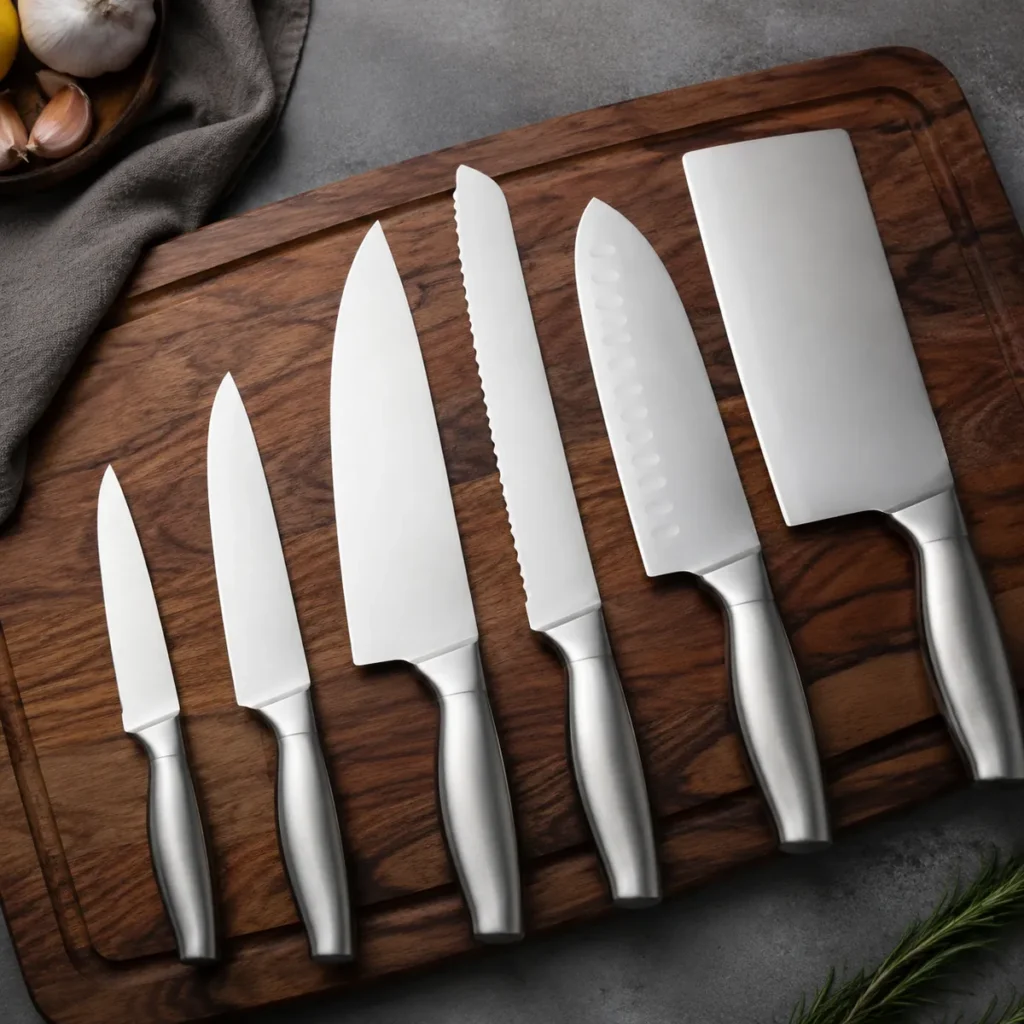
Start with a 6-piece set in 3Cr13 or 5Cr15 stainless steel with molded handles, add one step-up line with full-tang construction, and you have a workable retail range for most markets. Knife sets outsell single knives in retail because they bundle a story — the right tool for each job — and they give you […]
How Kitchenware Sampling Works: From Inquiry to Pre-Production Sample
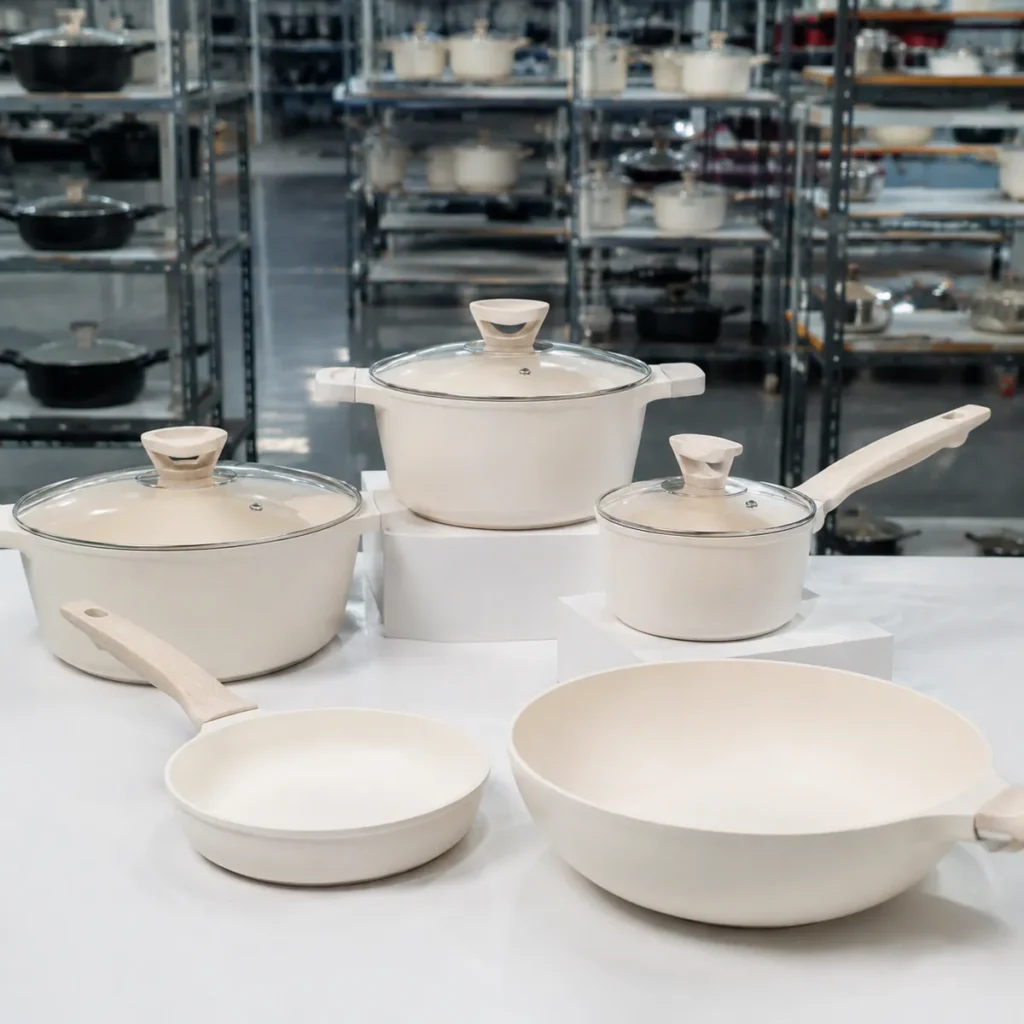
Kitchenware sampling normally runs in three stages — stock sample, custom sample, then pre-production sample — and the whole process usually takes two to six weeks depending on whether your product is a catalog item or a custom design. The single most common importer mistake is treating the first sample as the final confirmation. Each […]
Porcelain vs Stoneware vs Melamine: A Tableware Material Guide for Importers
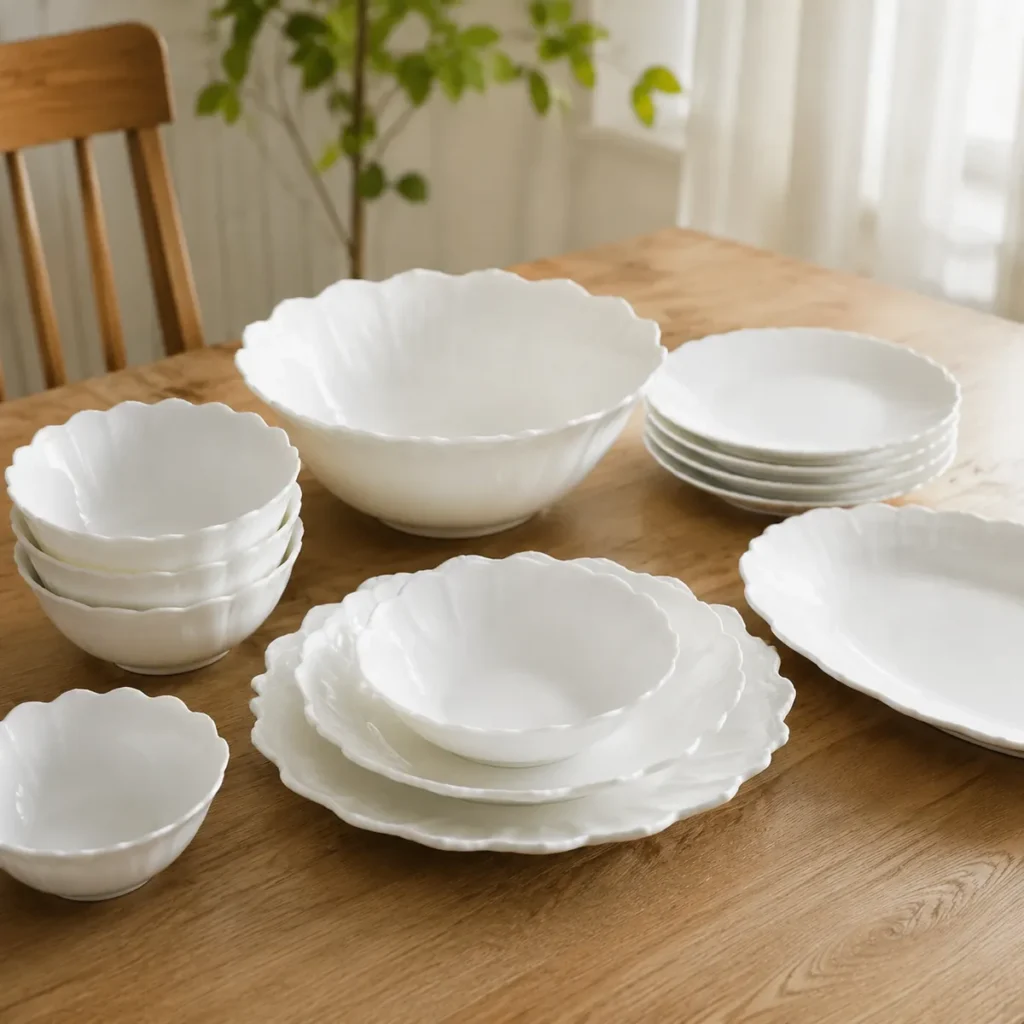
Match the material to the channel, not to your own taste. Porcelain sells best to mid-range restaurants and gifting programs, stoneware wins in casual dining and retail lines that want a handmade feel, and melamine dominates cafeterias, canteens and outdoor dining where breakage costs money. Importers who try to carry all three with one positioning […]